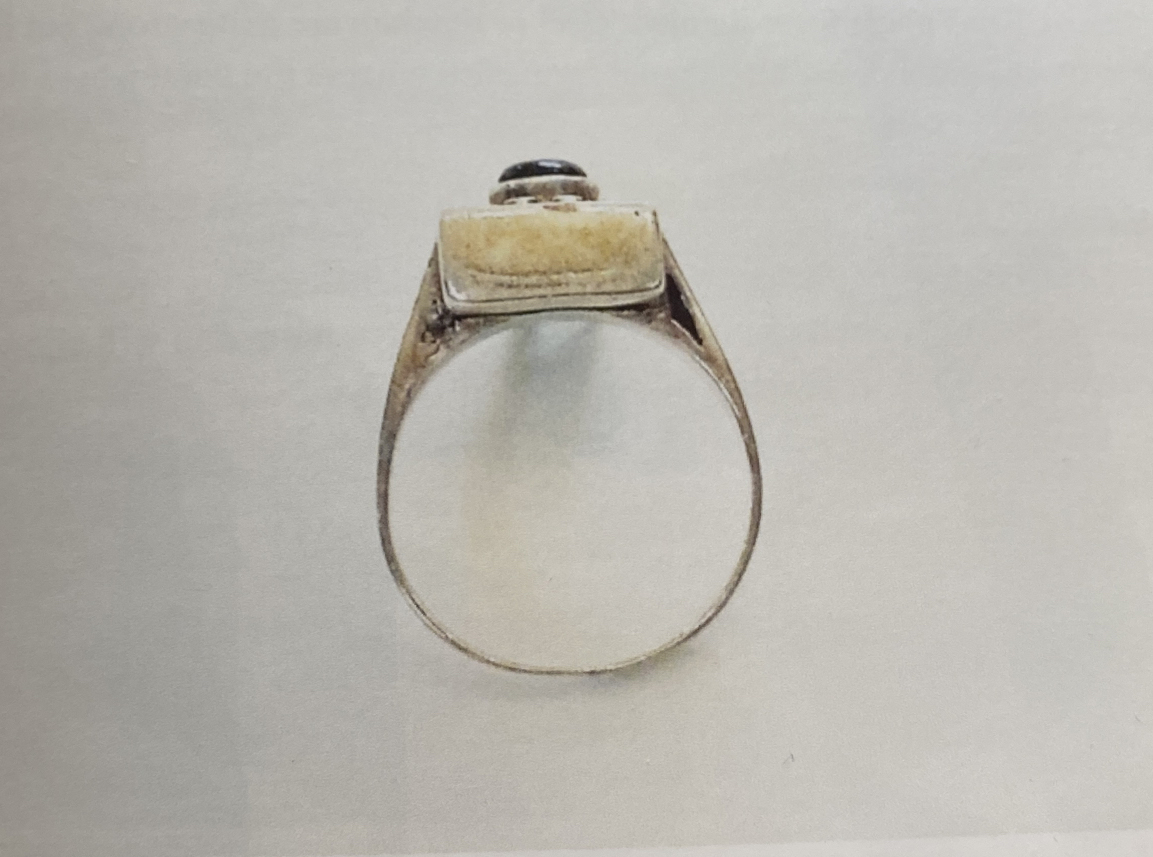
Metal wears over time and rings are the most common pieces of jewellery that need to be repaired because they are worn the most.
If you notice your ring is much thinner under your finger than the areas in between your fingers, your ring may need to be re-shanked.
This is the process where the thin area of metal is cut out and a thicker piece of metal is soldered back into place. If a thin ring has cracked it can be soldered back together but a good jeweller will also suggest re-shanking for a longer lasting solution.
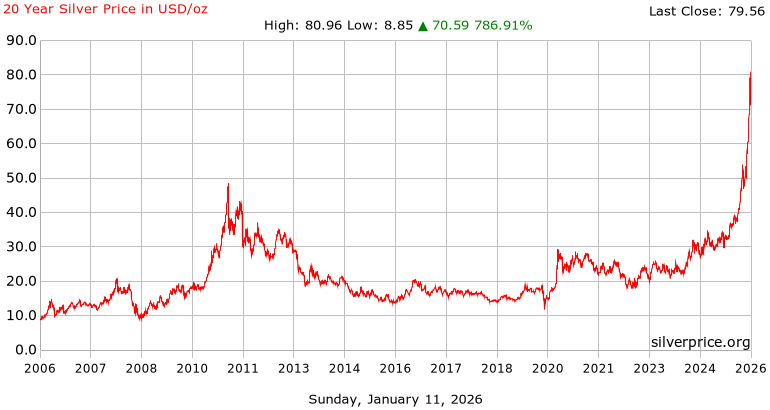
Silver prices have gone up mainly because more people want silver than there is available. It’s no longer used just for jewellery — it’s a key material in solar panels, electric vehicles, computer chips, and modern electronics, all of which are growing fast. Mining silver takes time, and new supply can’t ramp up quickly, so demand is outpacing production. On top of that, when the world feels uncertain due to wars, economic slowdowns, or debt worries, people often turn to precious metals like silver as a safer place to put their money, which pushes prices higher.
Another reason prices are climbing is financial investing. Large investors are buying silver through funds that physically store the metal, which means less silver is available on the open market. When supply is tied up in vaults and exchange inventories are low, prices rise. At the same time, things like a weaker U.S. dollar, expectations of lower interest rates, and fears about inflation make silver more attractive as a way to protect money’s value — adding even more pressure for prices to keep going up.
What this means for handmade jewellery?
Material Costs for Jewelry Makers Go Up
When silver spot prices rise sharply, the raw material cost for your pieces goes up too — whether you’re using sterling grain, sheet, wire, or casting grain. Jewellers don’t usually buy metal at old prices indefinitely: suppliers tend to base casting grain & wholesale metal costs on recent spot price averages, so costs rise with the market.
Result:
Your cost per ounce of silver increases — which directly raises the cost of production.
Profit margins shrink if you don’t raise prices.
Many makers raise retail prices of silver jewelry accordingly.
Retail Prices Likely Rise (Consumers Pay More)
Because silver is now more expensive, most brands and artisans will either:
Increase retail prices, or
Reduce the amount of silver in designs to keep prices accessible.
That means:
Simple earrings that once sold for, say, C$50–90 may edge upward.
Larger, heavier pieces (e.g., chunky bracelets, large pendants) become proportionally more expensive.
In Canada, this is amplified because the silver price saw record levels in Canadian dollars as well as USD.
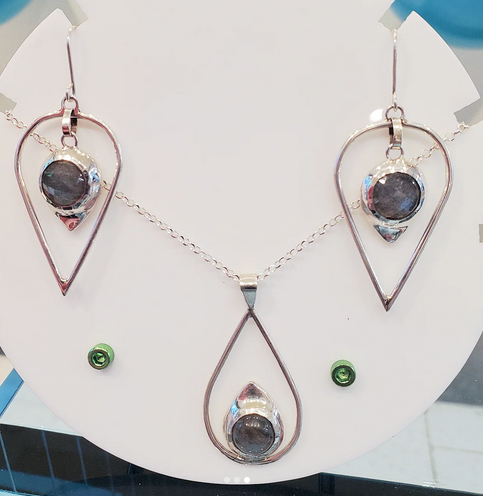
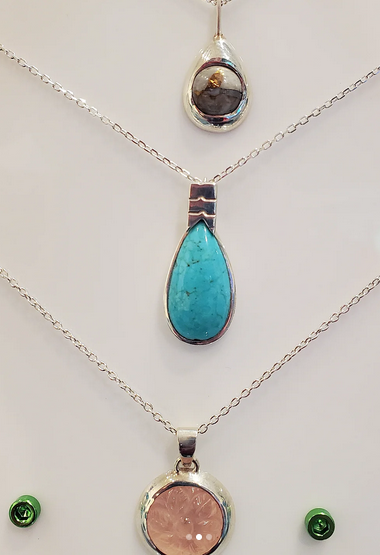
We hope everyone had a good holiday period, and is facing the beginning of 2026 with renewed optimism and enthusiasm! Just a few PSAs: there’s lots of new jewellery in the studio, some of it totally uplifting! Stop in and say hi, and browse – we’d love to see you!
Thinking about taking a class? Just a reminder that we’ve had to put up our class prices for 2026, sadly the increases in metal prices and inflation mean that we need to adjust our classes. It’s not all bad news, though – if you have a gift certificate from 2025, you can book your class in January or February at the 2025 pricing!
Enjoy the wintry weather – we’ve passed the shortest day, so although it’s cold and showy, the daylight is definitely getting longer!
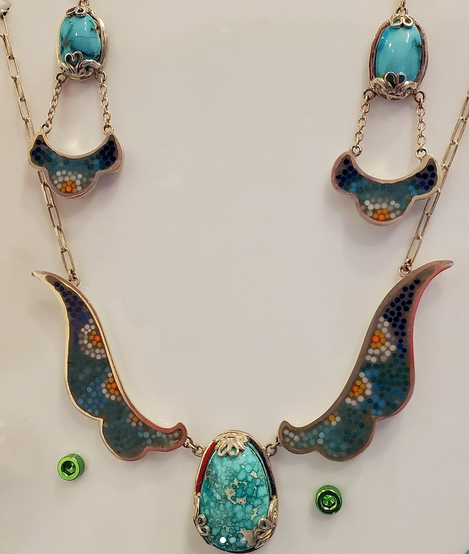
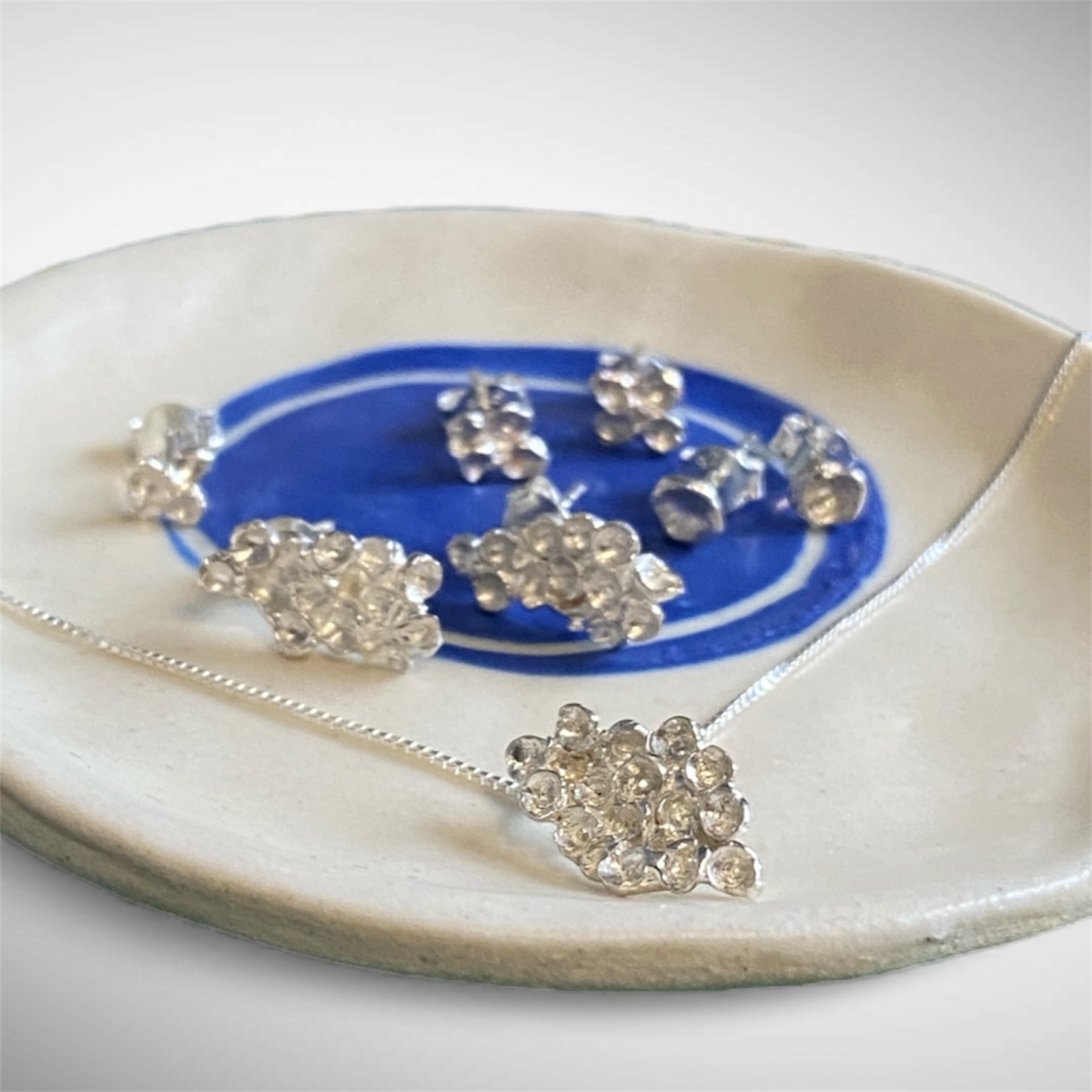
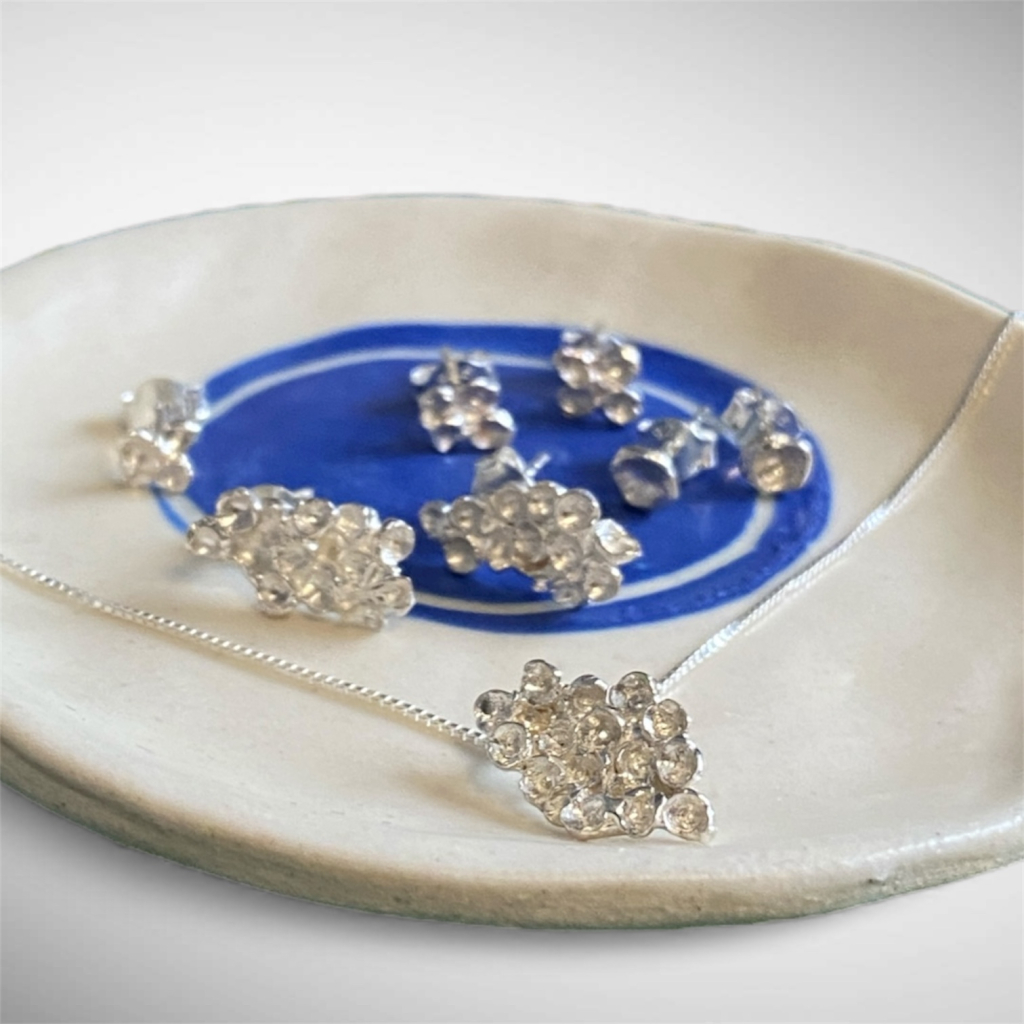
New work by House of Cassady, available in studio now.