As we get into cooler temperatures and damp breezes, nature is turning to its protective coverings between the occasional dart out for food or social time during splashes of sun.
We have our fuzzy light jackets and sweaters.
We have our teas.
We have our favourite comforts that only work when the outdoor pools are packed up for the season.
We hold hands and hug during walks now.
We rub arms and shoulders when we walk under the shade.
We notice all of the lovely subdued hues, and we try to be there at just the right time.
Sometimes patiently waiting.
Sometimes suddenly stopped or swept into a complete swirl of senses.
We are watching nature, and we are part of nature.
Nature is protecting and preparing us.
Today, we are enjoying lots of Roncy visitors who are talking long walks through the neighbourhood with friends and loved ones. Please drop by and check out our studio, it’s been warm friendly vibes all day!
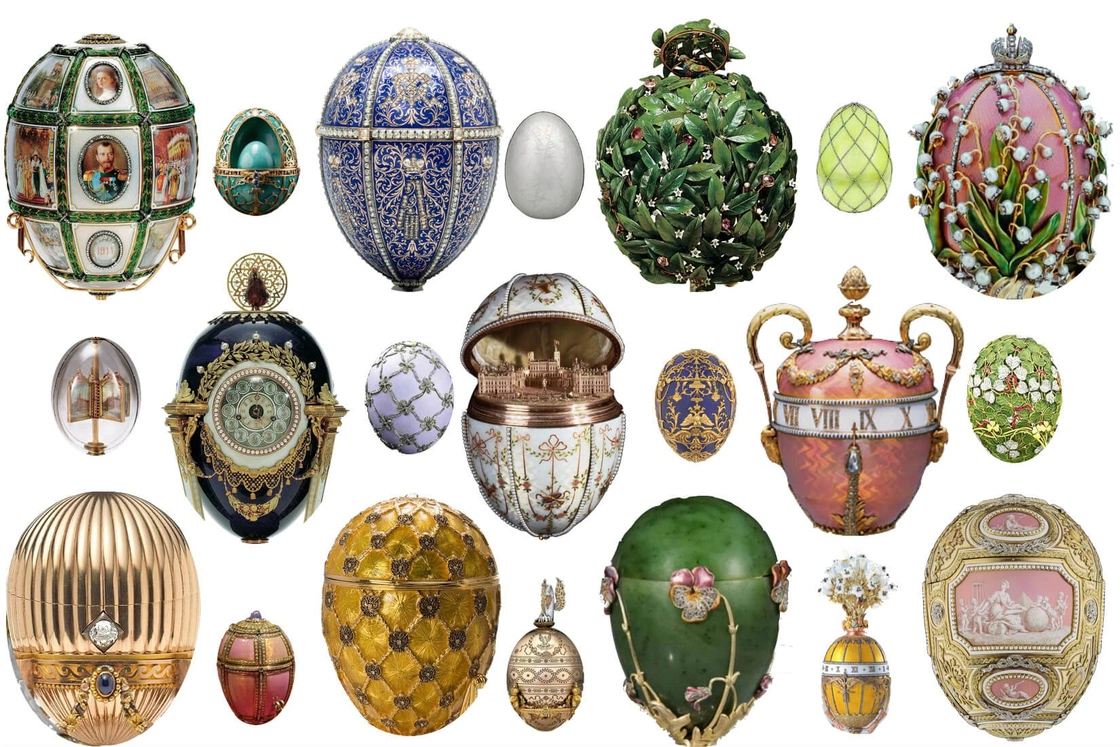
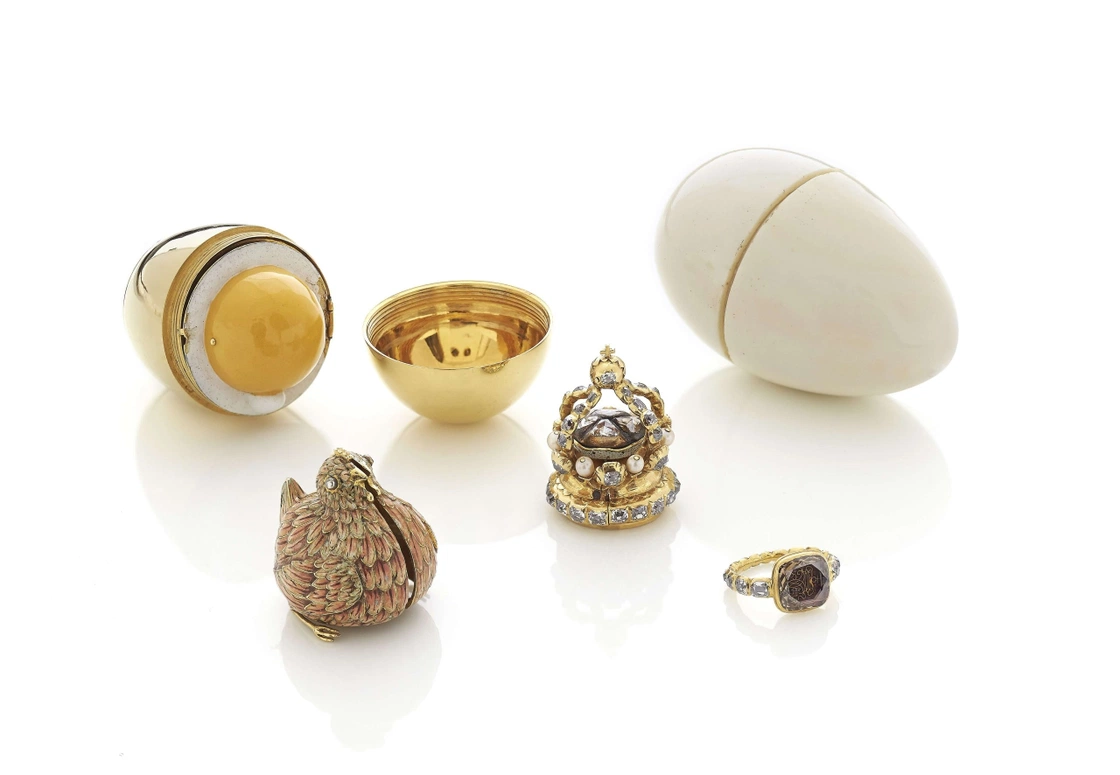
When people hear the word Faberge, they automatically think of the intricately designed eggs.
Many of you may not know that the company Faberge was founded by 1842 by Gustav Faberge in St Petersburg, Russia. His son, Peter Carl Faberge was the one that made the house of Faberge famous. He drew inspiration from different countries in Europe as well as the Rennaissance, Baroque and Rococo styles for his work.
He earned the attentions of the Russian High Society Emperor Alexander III commissioned them to create an Easter egg as a gift for his wife, Empress Maria Fedorovna in 1885.
From then on, he went on to create 52 imperial eggs for the Russian Emperors.
Many use the terms goldsmith and silversmith interchangeably, but they actually have different definitions.
You might think that someone who only works with gold is called a goldsmith and that someone who works only with silver is called a silversmith, but these labels have more to do with the function or purpose of the objects rather than the materials themselves. Even if a maker primarily works with sterling silver, if they are making small wearable adornments, they are considered a goldsmith.
The title of “goldsmith” refers to those who design and make jewellery with precious metals and semiprecious or precious gemstones. Goldsmiths are often skilled in both hand fabrication (filing, sawing, soldering, forging, polishing) and casting. The term jeweller can also be used interchangeably for goldsmiths.
Silversmith refers to those who design and make sculptural metal work and/or vessels such as bowls and chalices. Silversmiths are trained using the same techniques as goldsmiths, but the primary difference here is scale and wearability. Silversmiths can work in precious (gold, silver) and non-precious metals (copper, brass).
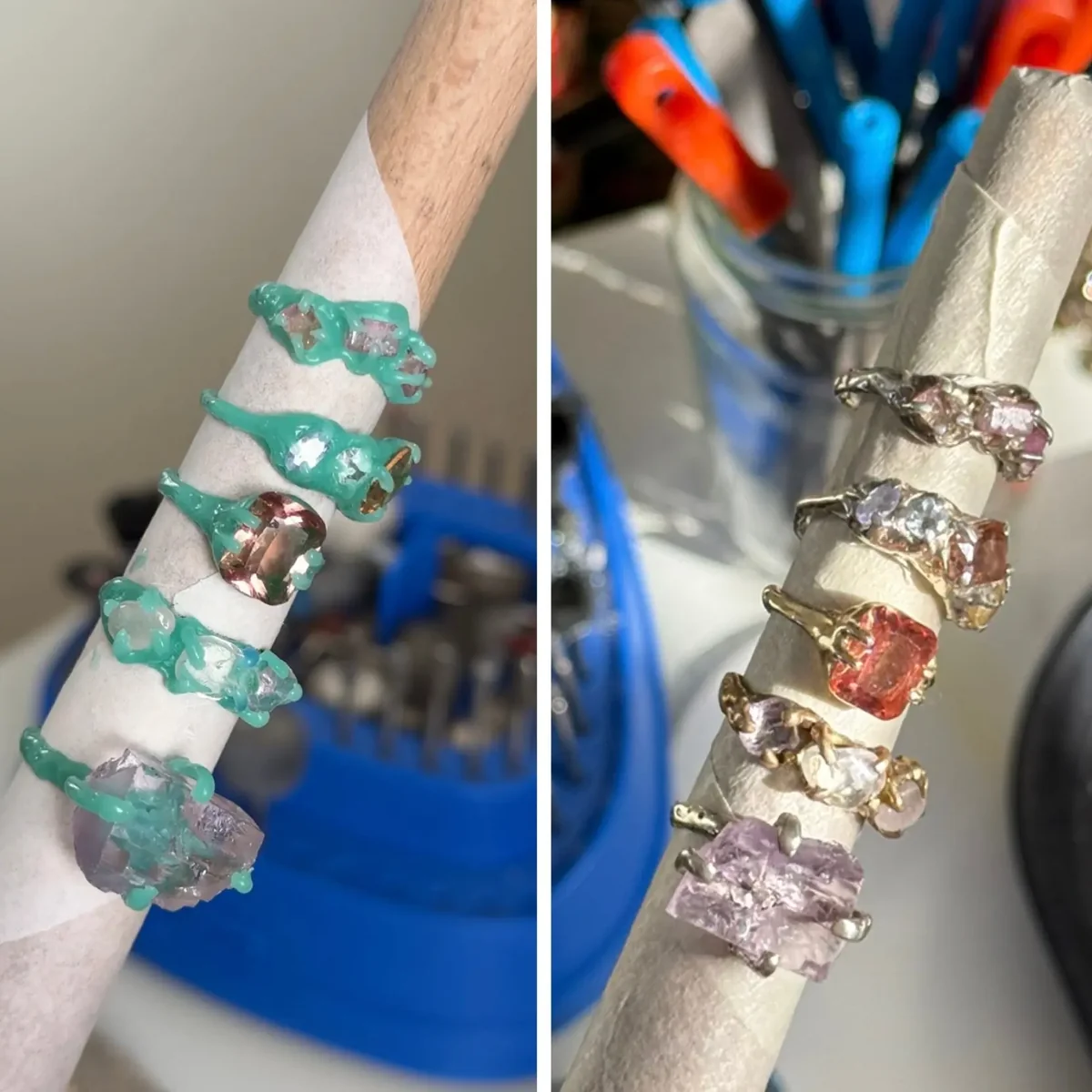
In honour of our 8 week casting class beginning on October 16 I thought I’d demystify the process of lost wax casting. Dating back over 6000 years, lost wax casting has remained a common method for fabricating beautiful pieces of jewellery to this day.
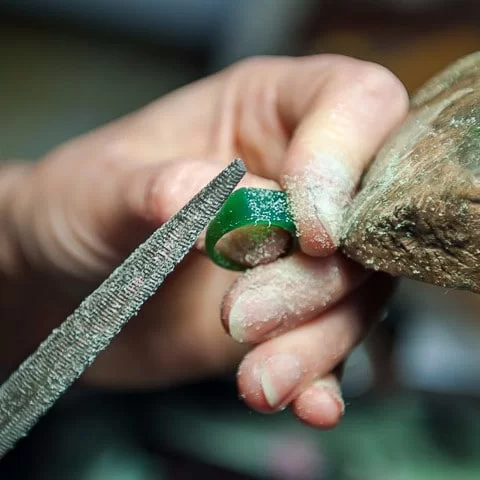
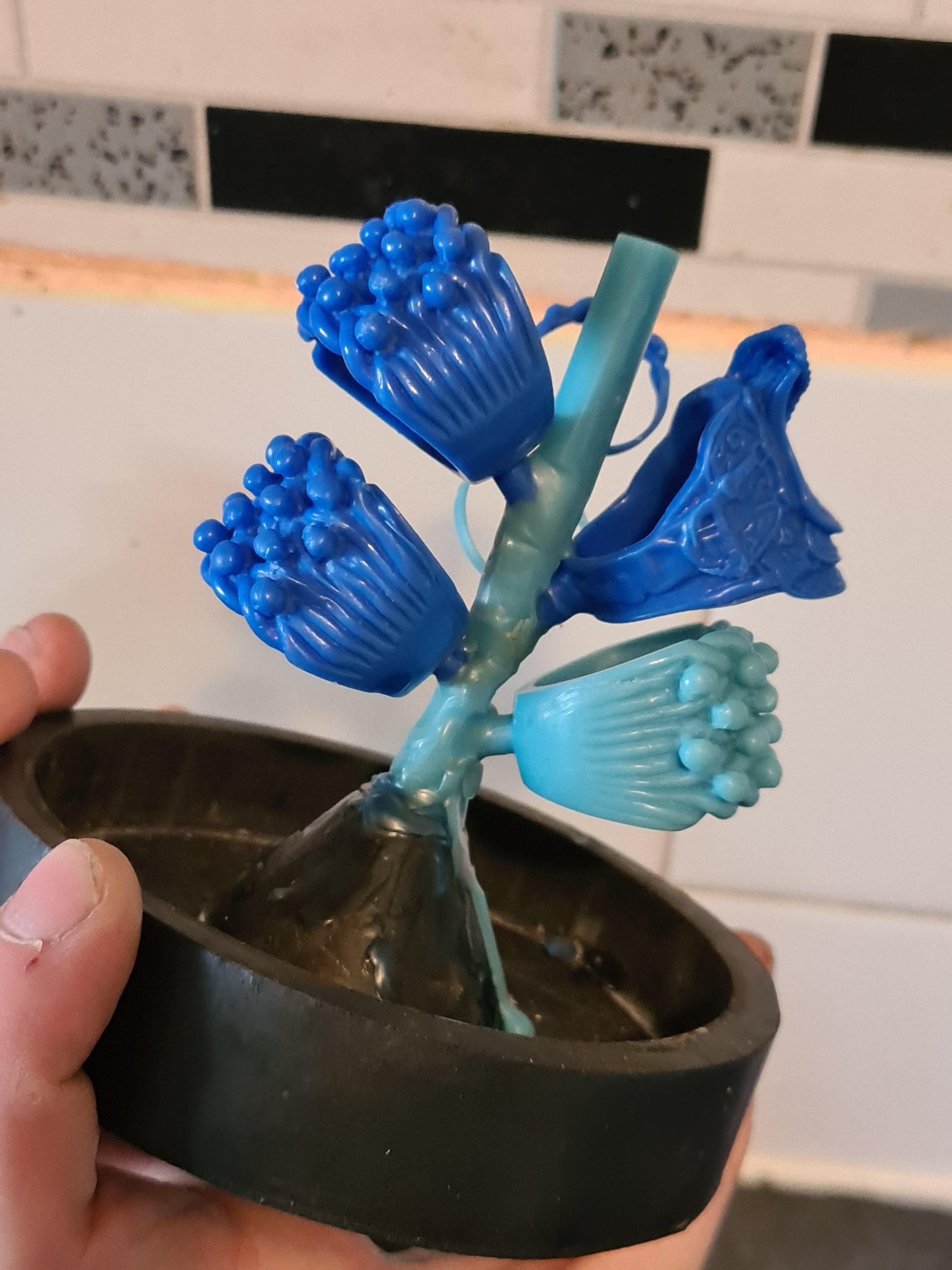
To start, a piece of jewellery has to be carved out of wax. There are several different kinds of wax with varying levels of flexibility or hardness. When selecting which wax to use, it is important to be mindful of the piece and the level of detail you’re hoping to accomplish. Don’t be afraid to test them out and find one that you’re most comfortable with. Carving can be accomplished with a variety of tools including, files, old dental tools, wax melting pens, etc.
After carving, a sprue or wax channel is attached to the finished carving which will allow the molten metal to flow through the entirety of the piece when casting (we’re getting there). The sprue is then attached to a wax button which will sit on the bottom of a steel flask.
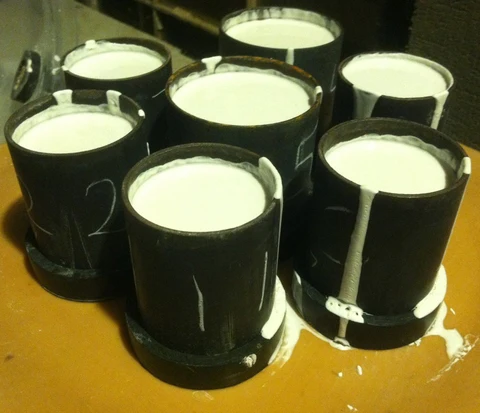
The wax carving portion is now complete and something called investing begins. Investing is the process of encasing the wax carving in a plaster or ceramic slurry. This is done inside a steel flask and if done correctly, with all of the air bubbles vacuumed out, it will create a perfect mold of the carved wax piece.
Once the investment has had some time to sit and settle, the next step is to move on to the burnout process. The flask is moved to a kiln to to be heated for several hours while the carved wax melts away leaving behind a hollow cavity for molten metal to be poured into.
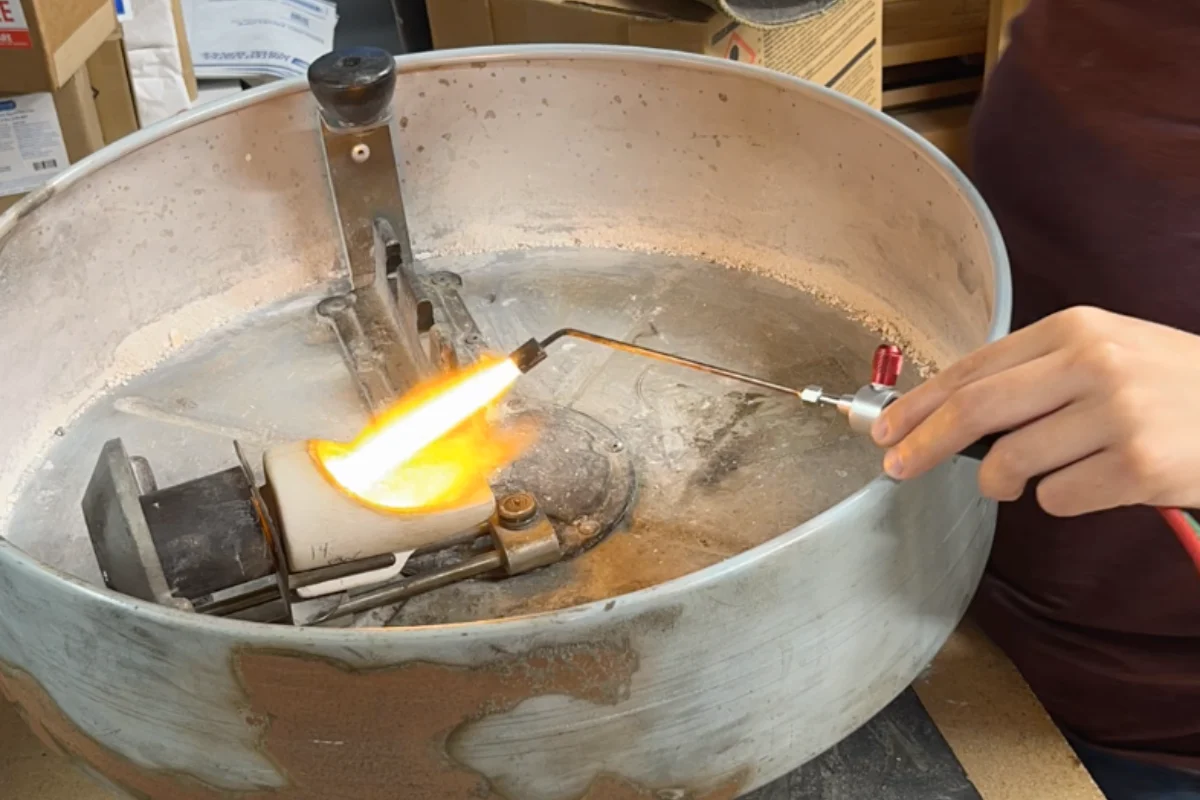
With space for the molten metal to flow, a metal of your choosing is heated in a crucible and poured into the flask (through the button recess) with the help of a vacuum or centrifuge.
Casting is complete and the piece can now be devested or finished. The flask is cooled in water and the plaster is broken away to reveal your wax carving made of metal! The sprues are removed and the final piece is finished into whatever it had been imagined to be.
It takes some time but the results are worth it. If this is something you think you’d be interested in trying yourself, be sure to check out our class schedule to see when the next casting class is coming up (Oct 16). Can’t make that one? There’s always another around the corner. Happy casting!
A different set of rules applies to caring for costume jewellery and they really start with “if it isn’t broken, don’t try to fix it”. Costume jewellery is put together using a variety of commercial techniques that include spot soldering, welding, casting, gluing, and plating. When costume jewellery breaks it cannot usually be repaired to look the same as before as a goldsmith cannot use the same procedure for soldering on softer metals as they are often toxic. Soft solder can be used in some cases, but it is never a permanent solution. The piece is most often fixed with a glue or cement, but it is only a matter of time before the piece will break again.
Costume jewellery is not made to last in most cases and is intended for disposal once it has broken. Inventive jewellery can often redesign a piece or come up with ingenious ways to reattach parts, but you must be willing to let go at a certain point or expense.
A goldsmith will do their best to save your sentimental pieces but as they were not only made in a way that allows for many traditional repairs, some pieces will have to be let go while others may be salvageable. Consider having your goldsmith remake a design in materials that can last over time and that can be repaired as part of their natural cycle of wear and use.
’20 Tips on maintaining our Jewellery’, Gillian E. Batcher, 2013
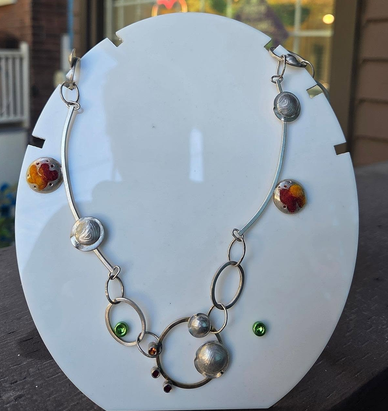
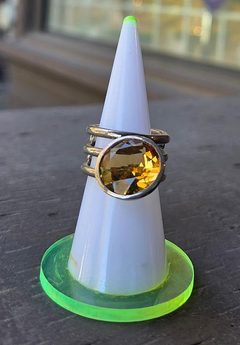
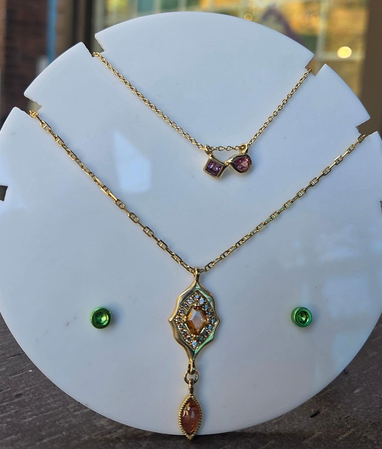
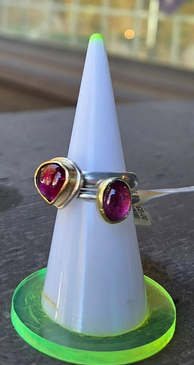
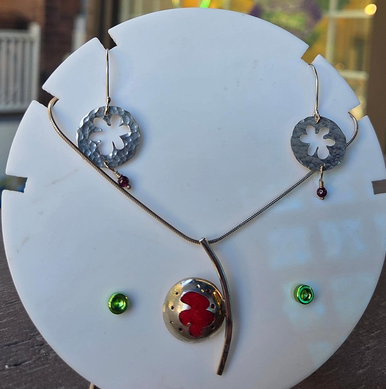
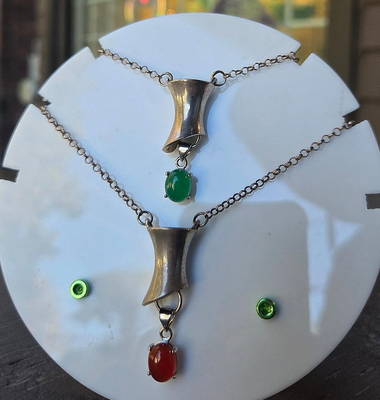
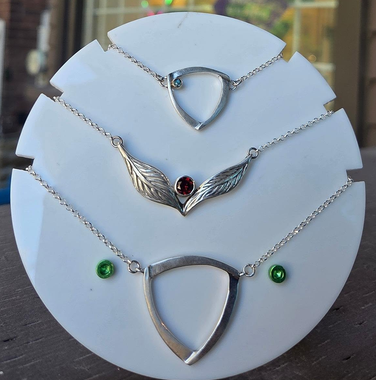
An exciting day for giveaways today at Jewel Envy! We had two back-to-back winners who each got to take home a piece of jewellery from our giveaway wall! These beautiful pieces were handmade by two our our goldsmiths right here in the studio.
Curious about how the giveaway works? Every purchase gives you a chance to win jewellery, among other amazing prizes. There has never been a better time to shop at Jewel Envy!
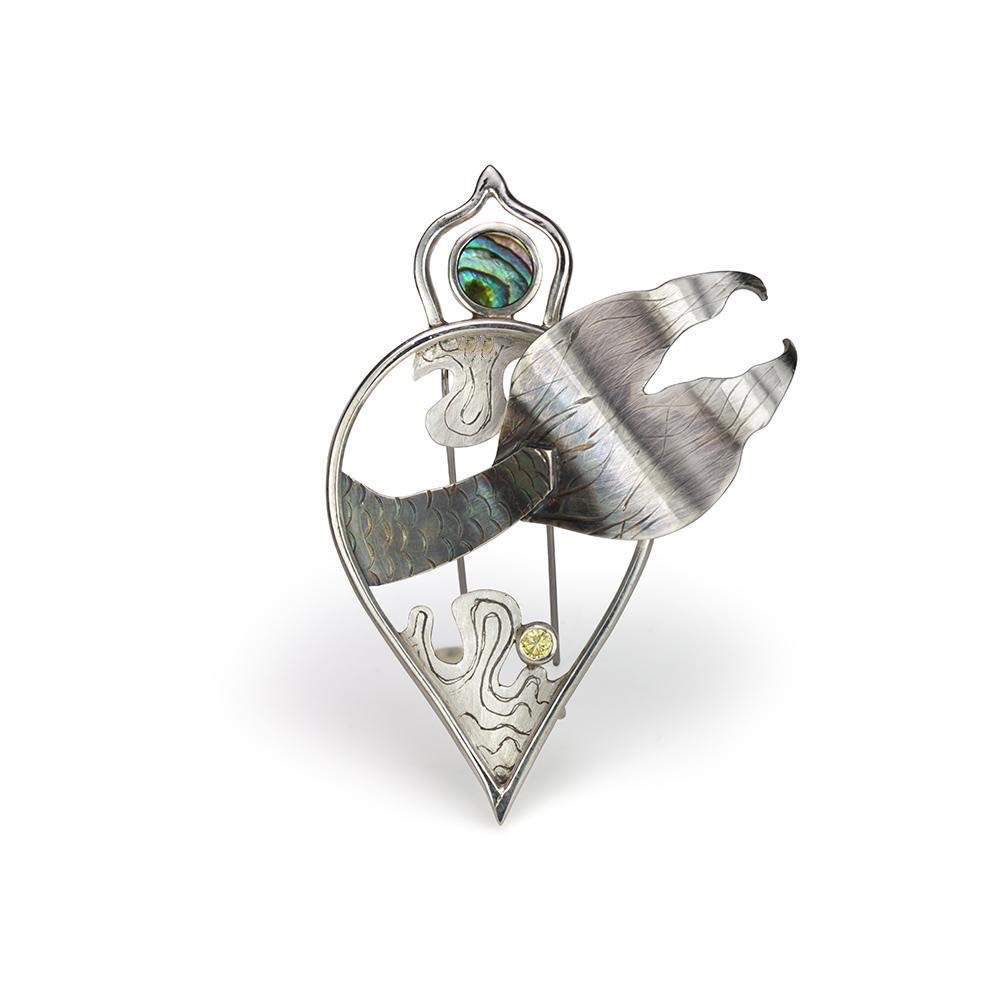
Hello, my name is Islay (pronounced eye-la) Bourne and I’m a new member of Jewel Envy woohoo! I graduated in May from Fleming College Haliburton School of Art and Design where I took the Jewellery Essentials program. I have absolutely fallen in love with silversmithing. For as long as I can remember I have admired the jewellery around me. In store fronts, worn on the necks and hands of my loved ones, on TV. Sparkly things have always been a source of warmth and joy.
Working with metal continues to humble, awe and inspire me. It demands me to slow down and listen. To attempt to unravel the mystery of beauty. It is truly an honor to create pieces slowly, with love and send them out into the universe.
Outside of the studio I do aerial silks. I love to preform and dance. I also work in the universe of outdoor education, and I try to be outside as much as possible. I am a devotee of fresh water and fire smoke.
I look forward to hopefully meeting and getting to work with you soon!
Our goldsmiths Patrycja Zwierzynska and Jamie Rosario will be showing and selling their jewellery at the Cabbagetown Art & Craft Show at Riverdale Park West this September 11th to 13th.
Patrycja will be at Booth 79 and Jamie will be at Booth 50.
The Basics of Jewellery Cleaning – Caring for Pearl and Opal Jewellery
Pearls are one of the few gems that benefit from wear and touch.
The oils from your skin help pearls keep their lustrous appearance. Even if you do not wear your pearls often you should hold them on a regular basis to transfer the unseen oil from your skin to onto them. If their oils dry out, pearls begin to crack and will break.
You must take the utmost care when cleaning jewellery with pearls in it. They cannot be exposed to many chemicals or heat. Chemical solutions will eat away at the lustrous finish and can eat through the layers of nacre that a pearl is made up of. A gentle plain cloth is the best way to polish pieces with pearls. This means they require regular care to minimize tarnish and ensure surface oils are present.
Opals are considered an unstable gemstone but are valued for the vibrant colours that are produced inside of them. The colours are a result of water held within the stone. Opals should never be exposed to extreme temperature changes or chemicals. When the water inside the opal dries out, the stone cracks and loses its fire. Chemicals use for cleaning, which would not affect harder stones, can leach into opals and change their colours.
’20 Tips on maintaining our Jewellery’, Gillian E. Batcher, 2013