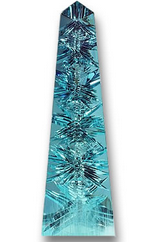
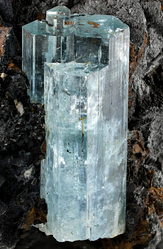
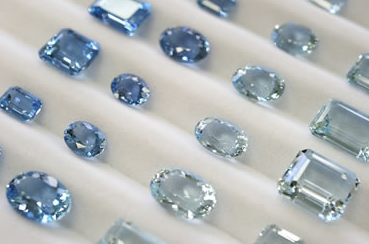
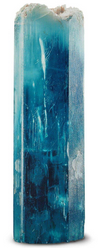
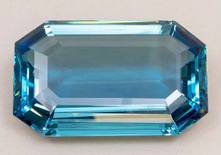
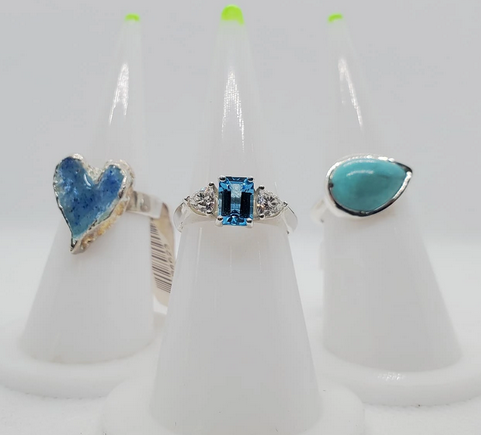
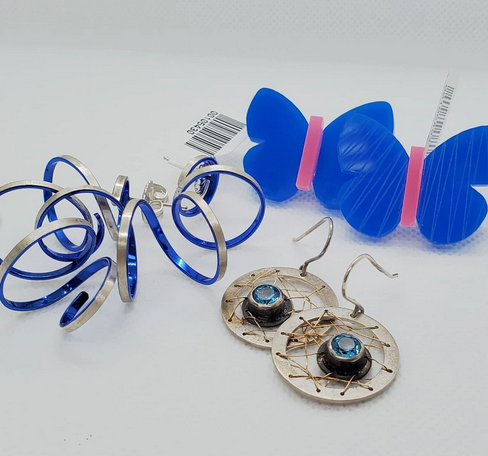
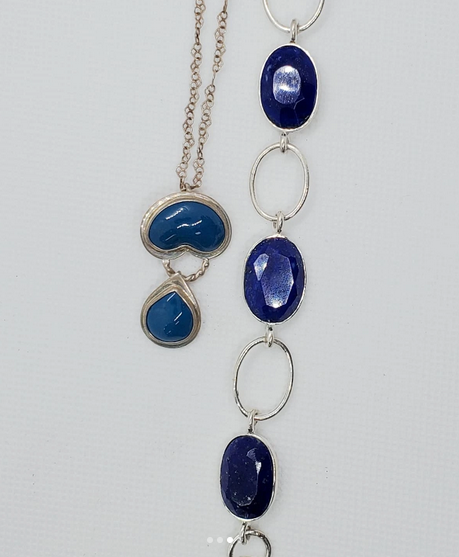
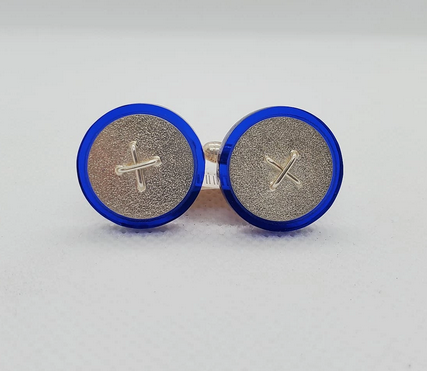
The birthstone for March is Aquamarine, and it is a beauty. It has been found in quite large crystals, as in Brazil. Although still rare and at a dear price, they can be found in large sizes, which makes for some absolutely stunning possibilities.
Aquamarine is in the Beryl family, which makes it a relative of Emerald and Golden Beryl. It can be transparent to opaque, and it has a decent hardness of 7.5-8, which is softer than sapphires, rubies, or diamonds (keep your jewellery separated!), but harder than amethysts or citrines.
The name comes from the latin for “water” and “sea”. It is said to represent courage, loyalty, and happiness. Sailors would use it as a talisman for safe travel.
It is also the gemstone for a 19th wedding anniversary, with the 20th being its very famous sibling, Emerald. Personally, I’d rather be sent to the Aquamarine City than the Emerald City, would you?
Some notable pieces include the “Dom Pedro” obelisk, Eleanor Roosevelt’s very large gem, Lucille Ball’s stolen treasure, QE2’s royal parure, and Meghan Markle’s knockout ring, inherited from Princess Diana.
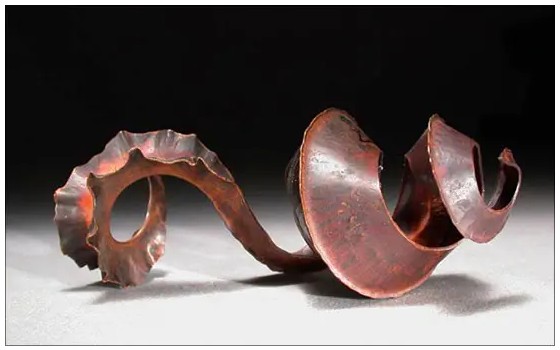
Charles Lewton-Brain invented Fold Forming. Fold Forming is a way of forming sheet metal quickly into 3D organic shapes as well as textures. This method uses sheets of metal without the need for soldering. Basically, you use sheet metal, fold it, work it and then unfold it.
It was developed in the 1980s. It emphasizes forming using the metals characteristics. It is about following what the metal likes to do as opposed to forcing form upon the metal, keeping in mind the plasticity ductility and elasticity of the metal.
You can fold form with most metals like aluminum, niobium, titanium, gold, silver, platinum and steel.
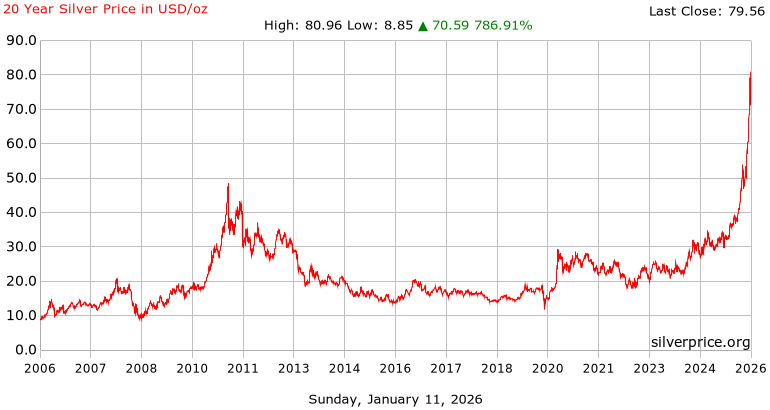
Silver prices have gone up mainly because more people want silver than there is available. It’s no longer used just for jewellery — it’s a key material in solar panels, electric vehicles, computer chips, and modern electronics, all of which are growing fast. Mining silver takes time, and new supply can’t ramp up quickly, so demand is outpacing production. On top of that, when the world feels uncertain due to wars, economic slowdowns, or debt worries, people often turn to precious metals like silver as a safer place to put their money, which pushes prices higher.
Another reason prices are climbing is financial investing. Large investors are buying silver through funds that physically store the metal, which means less silver is available on the open market. When supply is tied up in vaults and exchange inventories are low, prices rise. At the same time, things like a weaker U.S. dollar, expectations of lower interest rates, and fears about inflation make silver more attractive as a way to protect money’s value — adding even more pressure for prices to keep going up.
What this means for handmade jewellery?
Material Costs for Jewelry Makers Go Up
When silver spot prices rise sharply, the raw material cost for your pieces goes up too — whether you’re using sterling grain, sheet, wire, or casting grain. Jewellers don’t usually buy metal at old prices indefinitely: suppliers tend to base casting grain & wholesale metal costs on recent spot price averages, so costs rise with the market.
Result:
Your cost per ounce of silver increases — which directly raises the cost of production.
Profit margins shrink if you don’t raise prices.
Many makers raise retail prices of silver jewelry accordingly.
Retail Prices Likely Rise (Consumers Pay More)
Because silver is now more expensive, most brands and artisans will either:
Increase retail prices, or
Reduce the amount of silver in designs to keep prices accessible.
That means:
Simple earrings that once sold for, say, C$50–90 may edge upward.
Larger, heavier pieces (e.g., chunky bracelets, large pendants) become proportionally more expensive.
In Canada, this is amplified because the silver price saw record levels in Canadian dollars as well as USD.
“Sapphire, then opal” is something many jewellers say halfway through September. In four weeks, we will say “Opal, then topaz”. It is the cycle of birthstones, and right now, we are in sapphire, aka September.
Centuries ago, gemstones were mostly identified by colour. Blue was sapphire, Red was ruby, Green was emerald, etc. Sapphires came in a variety of blue hues, and still do. Mined sapphires may exhibit telltale characteristics of their country of origin. Lab grown sapphire colours will reflect the hues most in demand.
One of North America’s claim to fame are Montana sapphires, which are unique upon first glance.
As technology became more sophisticated, we learned that all blue stones are not sapphires, and that sapphires come in many, many different colours.
Sapphire is always a favourite. If you’ve been by the studio, you have probably met our greeter pup, named Sapphire. We have many sapphires in stock, but none are more precious than her.