
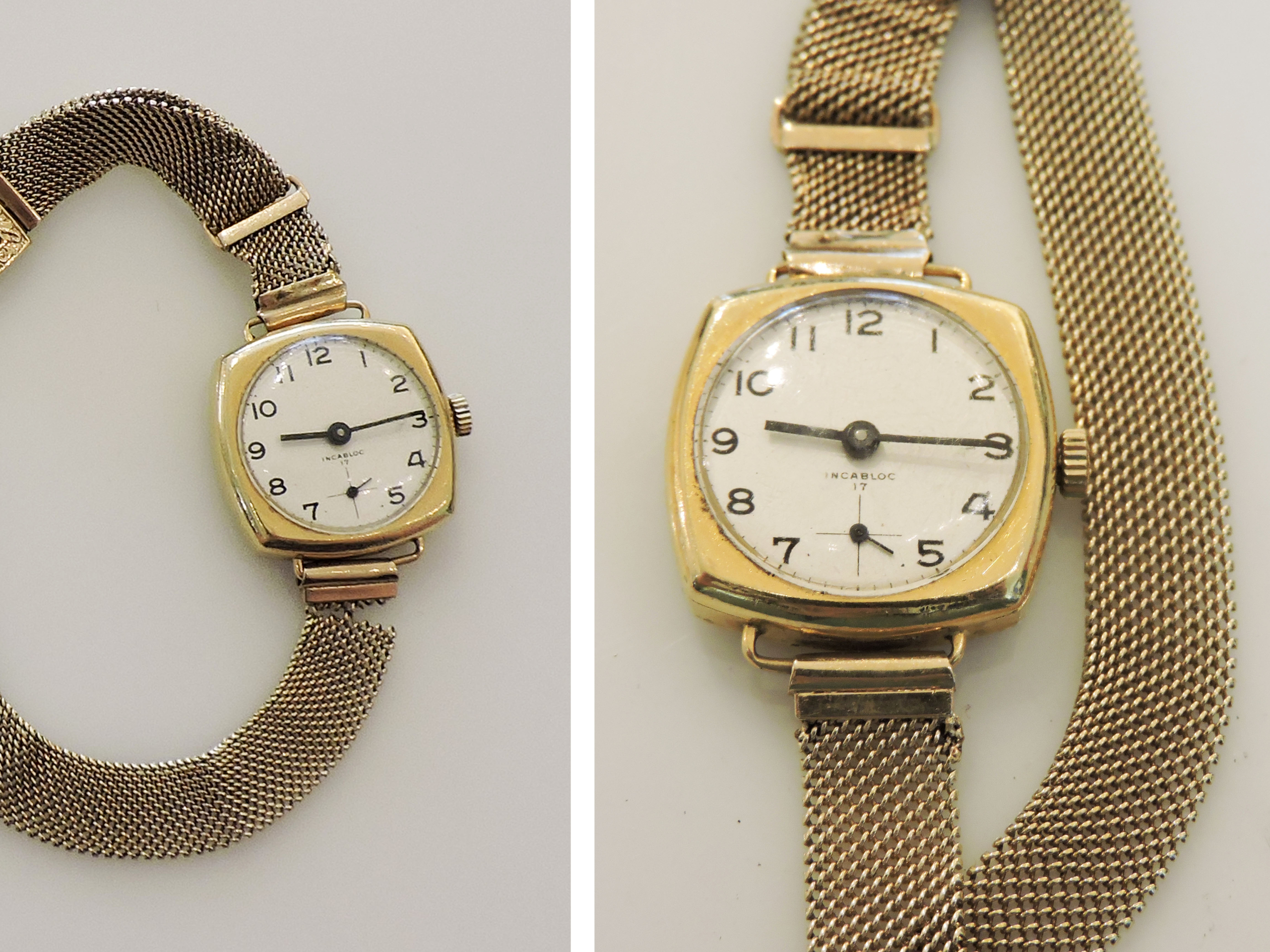
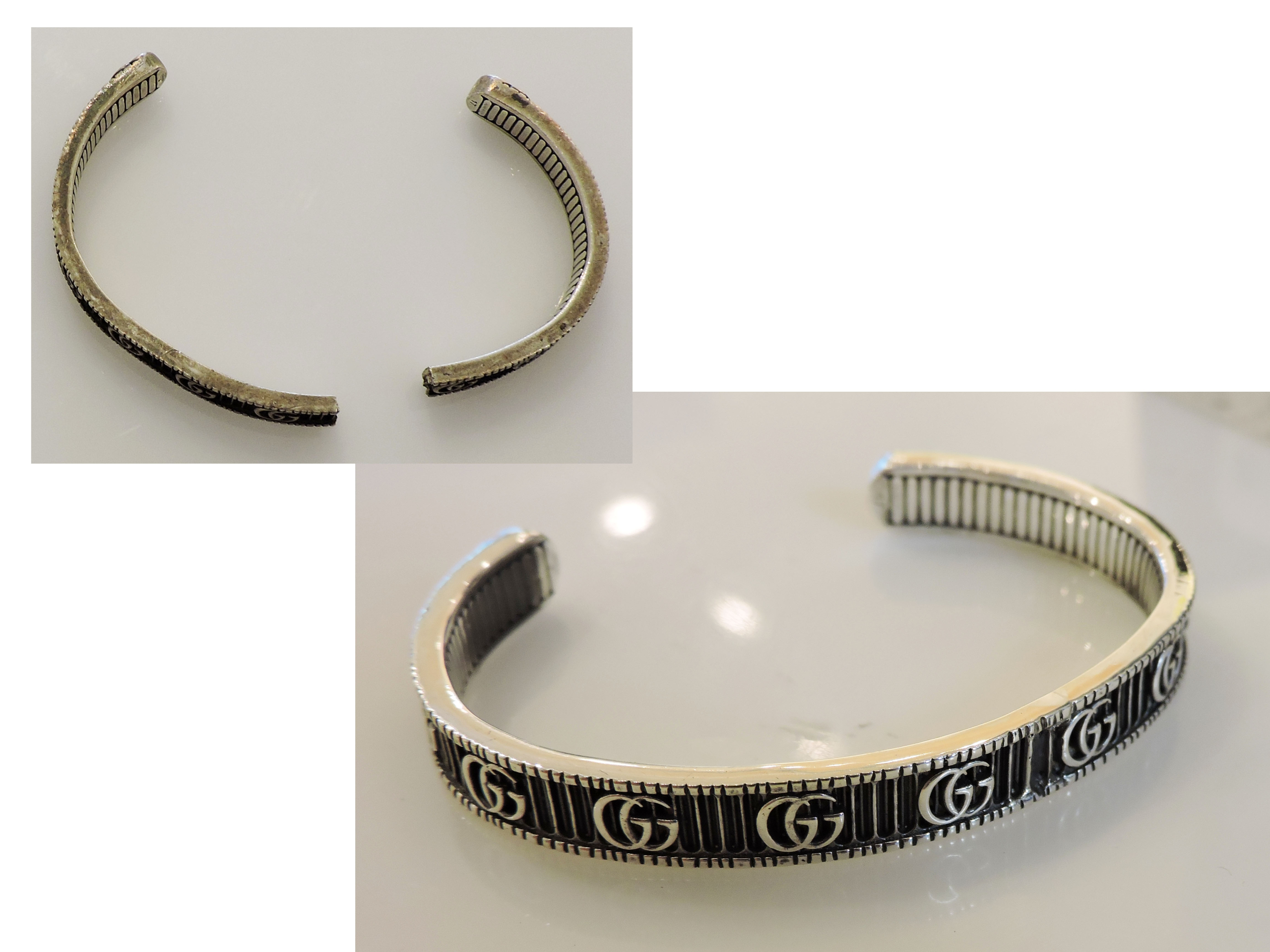
Broken cuff restored! Another complex fix done that included making sure we repeated the patterned section and hammered into shape alongside the customer to get the perfect fit.
Broken cuff restored! Another complex fix done that included making sure we repeated the patterned section and hammered into shape alongside the customer to get the perfect fit.
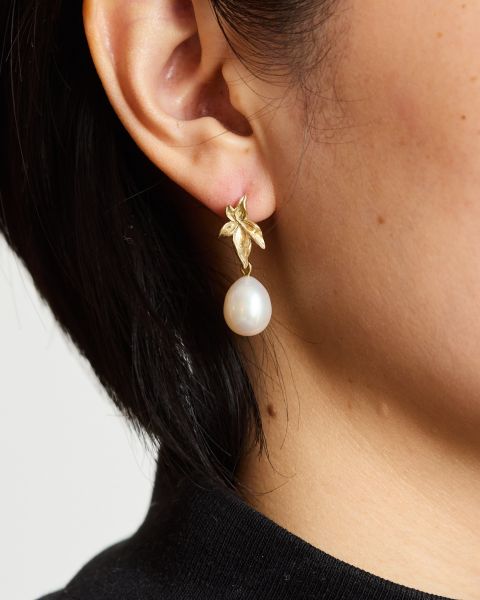
Our goldsmiths Zoey and Hayat will be at the Spring One Of A Kind show starting April 9th to the 12th. Go show your support for local makers at OOAK!
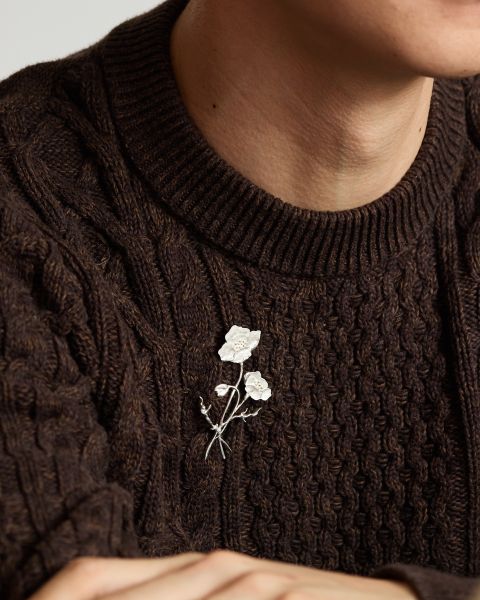
Sterling silver brooch by Zoey Perse.
Zoey’s collections capture the quiet wonder of walking along the shore or in the garden, discovering small treasures shaped by the sea and the land. Each piece reflects that simple, irresistible moment when nature offers you something beautiful to hold.
Visit Zoey’s OOAK profile for more info: https://profiles.oneofakindshow.com/explore/artisan.php?id=e8241212_1771529055
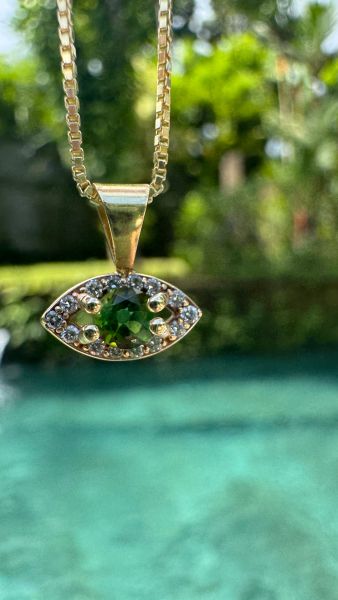
Necklace by Hayatii Gold.
Hayat’s designs often feature organic forms such as flowers and natural textures, celebrating individuality and quiet elegance. Because every piece is made by hand, no two are ever exactly alike, each one is a small, wearable work of art.
Visit Hayat’s OOAK profile for more info: https://profiles.oneofakindshow.com/explore/artisan.php?id=5ed84a19_1771529057
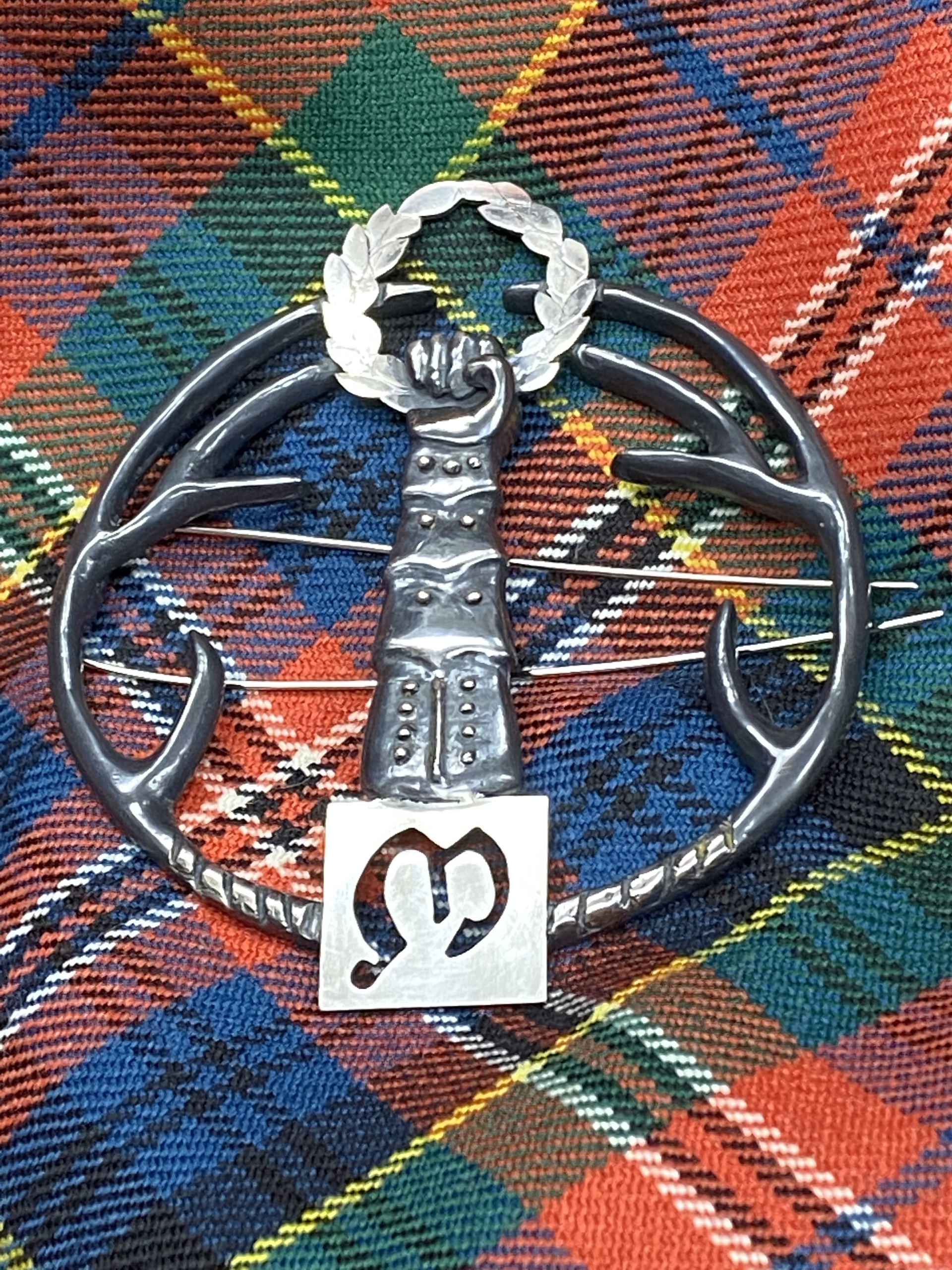
We love (and do!) a lot of custom jewellery design here at Jewel Envy. It’s so much fun (and sometimes frustration!) helping to bring a vision for a unique piece to life. And we’ve had a lot of interesting requests over the years! A few years ago, a couple came into the studio wanting a custom brooch for the groom. This may seem like an odd thing, but the couple had Scottish Ancestry, and the groom was planning to be kilted and plaided for his wedding clothes. Part of the outfit is often what’s called a fly plain (basically a big plaid scarf) worn over one shoulder and secured with a sizeable brooch. It was a bit opportune, as my grandmother was Scottish, I lived in Scotland for some time, and I had been thinking about plaid brooches and kilt pins for a while (but not gotten actually made any), so here was a great project for me! I’ve worked on a few of these, and am currently working on a new one!
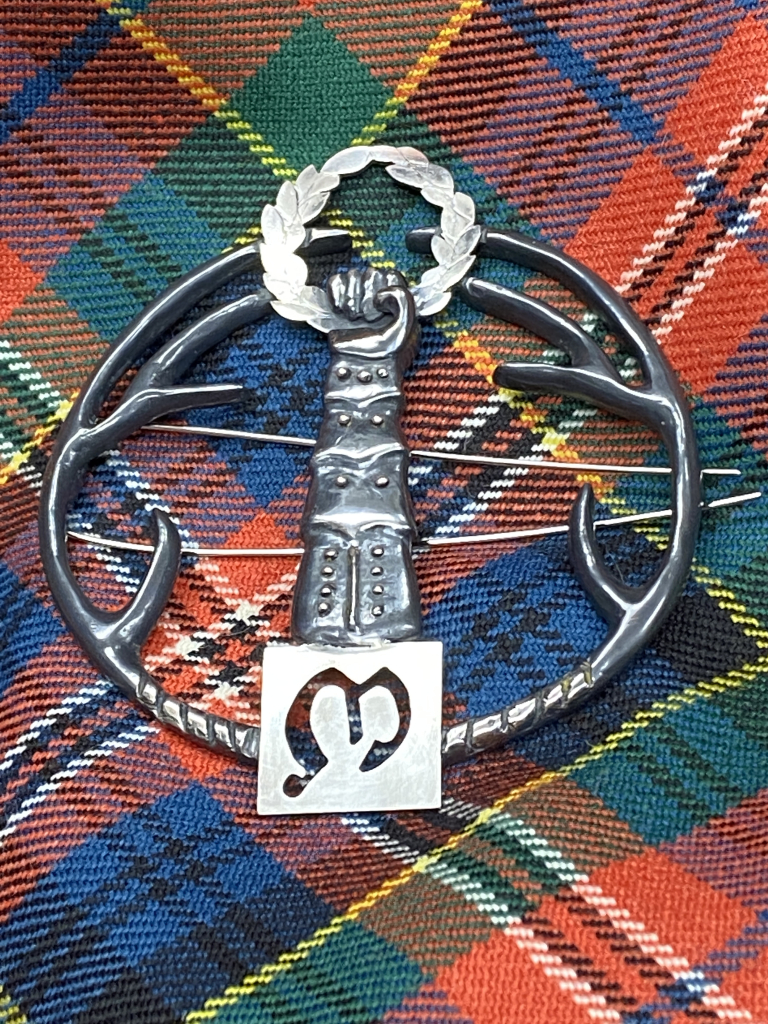
First brooch – stag antlers, and the initial were special requests from the client, with the rope, the laurel wreath and the guantlet elements from the Mackinlay clan crest. There were a lot of small details, so we oxidized parts of the frame to really make it pop! (Just FYI, the tartan shown is not the Mackinlay tartan!)
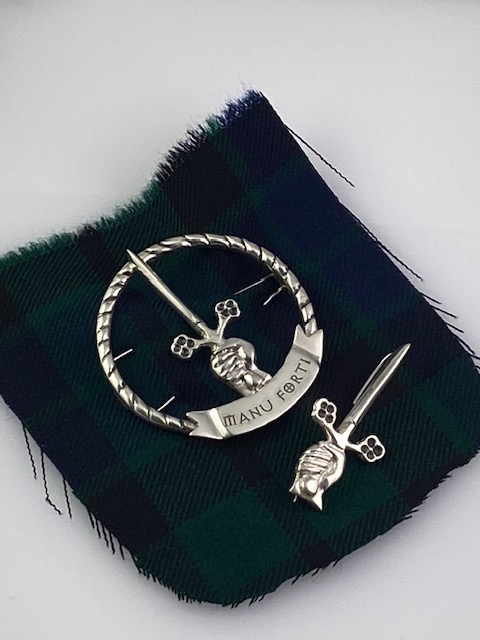
This was another commission, based on the Clan MacKay crest – the client wanted the motto in a specific font, and the rest we developed together.
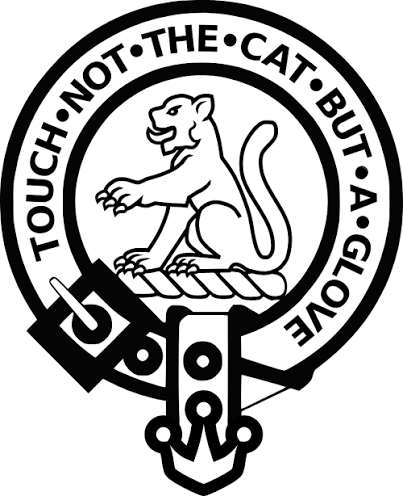
Now I’m working on a new commission based on the MacPherson clan crest. I have a few ideas, but the sketches are not quite there yet for sharing! But whatever I do, I think it’s going to include that cat (tongue and all)!
If you have something you’ve been thinking about, and want to make it a reality, come in and chat to us about it! Quotes are free, and we try our best to meet you on budget!
Happy Saturday!
-Robin (House of Cassady)
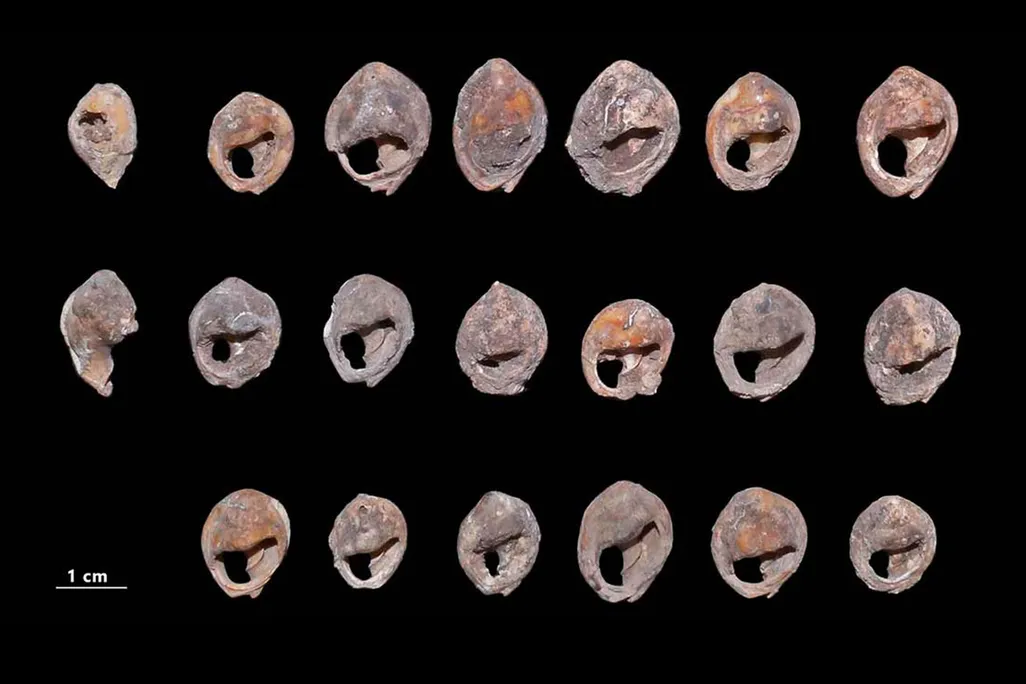
Since the beginning of time, people have worn jewellery. The earliest known traces of jewellery date back to the Middle Stone Age, showing that personal adornment has been part of human culture for tens of thousands of years. Archaeologists have discovered some of the oldest examples in Bizmoune Cave in Morocco, where 33 perforated marine shell beads made from the species Tritia gibbosula were found. These beads are estimated to be around 142,000 years old, making them the oldest known jewellery currently identified. The shells were deliberately pierced and likely strung together as necklaces or attached to clothing. Because the shells originated from the coast—roughly 50 km away—researchers believe early humans intentionally collected and transported them, suggesting symbolic or social meaning rather than accidental accumulation.
Another important discovery comes from Blombos Cave in South Africa, where archaeologists uncovered 41 perforated shells from the species Nassarius kraussianus dating to about 75,000 years ago. These shells were selected for their similar size and had small holes drilled through them, with wear marks indicating they were strung together as beads. Some also contain traces of red ochre pigment, suggesting they were either painted or worn by individuals who used body pigments. The discovery provided strong evidence that early humans were already engaging in symbolic behavior, using jewellery to communicate identity, social status, or group membership. (Scientific American)
Evidence from other archaeological sites supports the idea that jewellery-making was widespread among early humans. Similar pierced shell ornaments made from Nassarius shells have been found at sites in Israel, Algeria, and Morocco, some dating to around 100,000 years ago. These artifacts are considered early forms of personal adornment and are often associated with the emergence of symbolic thinking and social communication in early Homo sapiens. The consistent design and evidence of wear suggest these objects were not random decorations but meaningful cultural items used to signal identity, relationships, or group affiliation in prehistoric societies.
Sources

Jewellery tarnishes as a result of exposure to the oxygen in air. This process is called oxidation.

Oxidation can be used decoratively in Jewellery that you see as blackened areas but will also occur naturally over time. You can minimize this natural chemical reaction by keeping your Jewellery in a box that absorbs moisture and reduces oxygen.
Small sealed plastic bags are also an effective way to protect your Jewellery from exposure to oxygen.
Anit-tarnish covers and/or cloths are also available to put around Jewellery or to use in Jewellery roll-up cases to protect pieces from oxygen.
Oxidation will still occur over time, but these methods will reduce the speed with which it happens.
The climate you live in will also affect the rate at which natural oxidation occurs. Warm humid environments will cause Jewellery to tarnish faster than dry environments.
Dry environments can cause their own problems by removing moisture in some gemstones and cause them to crack. An artificially dry environment such as a plastic bag may appear to be the solution for humid environments but will hurt some gemstones like pearls and opals that need moisture to preserve their lustrous qualities.
If you are wondering why some of your Jewellery appears to tarnish more or at a faster rate than other pieces, it can be because some metals and their alloy components react to oxygen differently.
Costume Jewellery – Likely will tarnish but depends on the alloys. Copper based alloys tarnish.
Fine Silver – does not tarnish.
Sterling Silver – Tarnishes as the copper in the alloy reacts to the oxygen in the air.
Yellow Gold – Lower karats will tarnish more as they have a greater copper content than higher karat gold.
Nickel white gold – Tarnishes a slightly yellow colour over time, lower karats tarnish faster than higher karats.
Palladium white gold – Does not tarnish.
Platinum – Does not tarnish.
Some white metal Jewellery (sterling silver, nickel white gold) is plated with Rhodium. Rhodium is from the platinum group. There are six types of platinum that make up this group of metal; they are not alloys but metals with similar properties. Rhodium is hypo allergenic and does not tarnish.
Some yellow metal Jewellery (brass, gold) is plated with high kart yellow gold for a bright yellow finish and because of the higher kart the less it tarnishes.
Just because a metal does not tarnish it can still get dirty. There are chemicals and dust in the air we breathe and this settles on Jewellery forming a fine layer that can resemble tarnish but is not the result of oxidation.
’20 Tips on maintaining our Jewellery’, Gillian E. Batcher, 2013
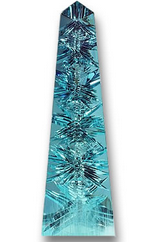
The birthstone for March is Aquamarine, and it is a beauty. It has been found in quite large crystals, as in Brazil. Although still rare and at a dear price, they can be found in large sizes, which makes for some absolutely stunning possibilities.
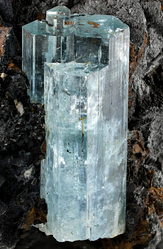
Aquamarine is in the Beryl family, which makes it a relative of Emerald and Golden Beryl. It can be transparent to opaque, and it has a decent hardness of 7.5-8, which is softer than sapphires, rubies, or diamonds (keep your jewellery separated!), but harder than amethysts or citrines.
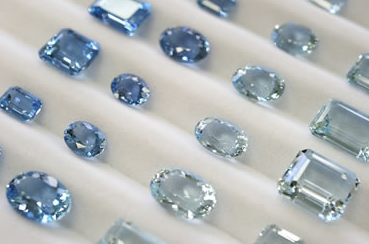
The name comes from the latin for “water” and “sea”. It is said to represent courage, loyalty, and happiness. Sailors would use it as a talisman for safe travel.
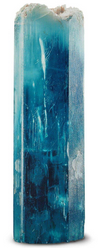
It is also the gemstone for a 19th wedding anniversary, with the 20th being its very famous sibling, Emerald. Personally, I’d rather be sent to the Aquamarine City than the Emerald City, would you?
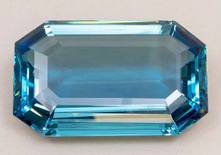
Some notable pieces include the “Dom Pedro” obelisk, Eleanor Roosevelt’s very large gem, Lucille Ball’s stolen treasure, QE2’s royal parure, and Meghan Markle’s knockout ring, inherited from Princess Diana.