
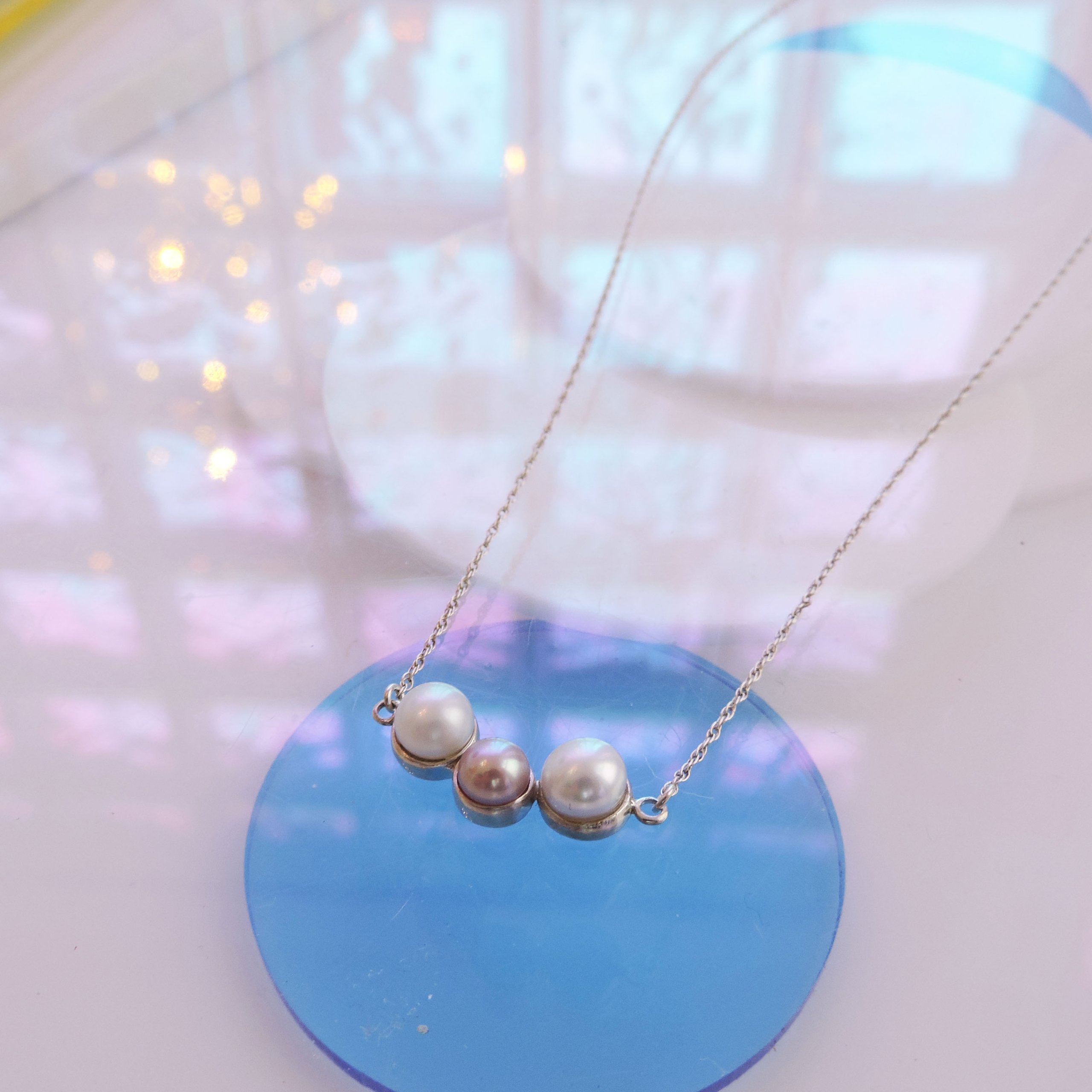
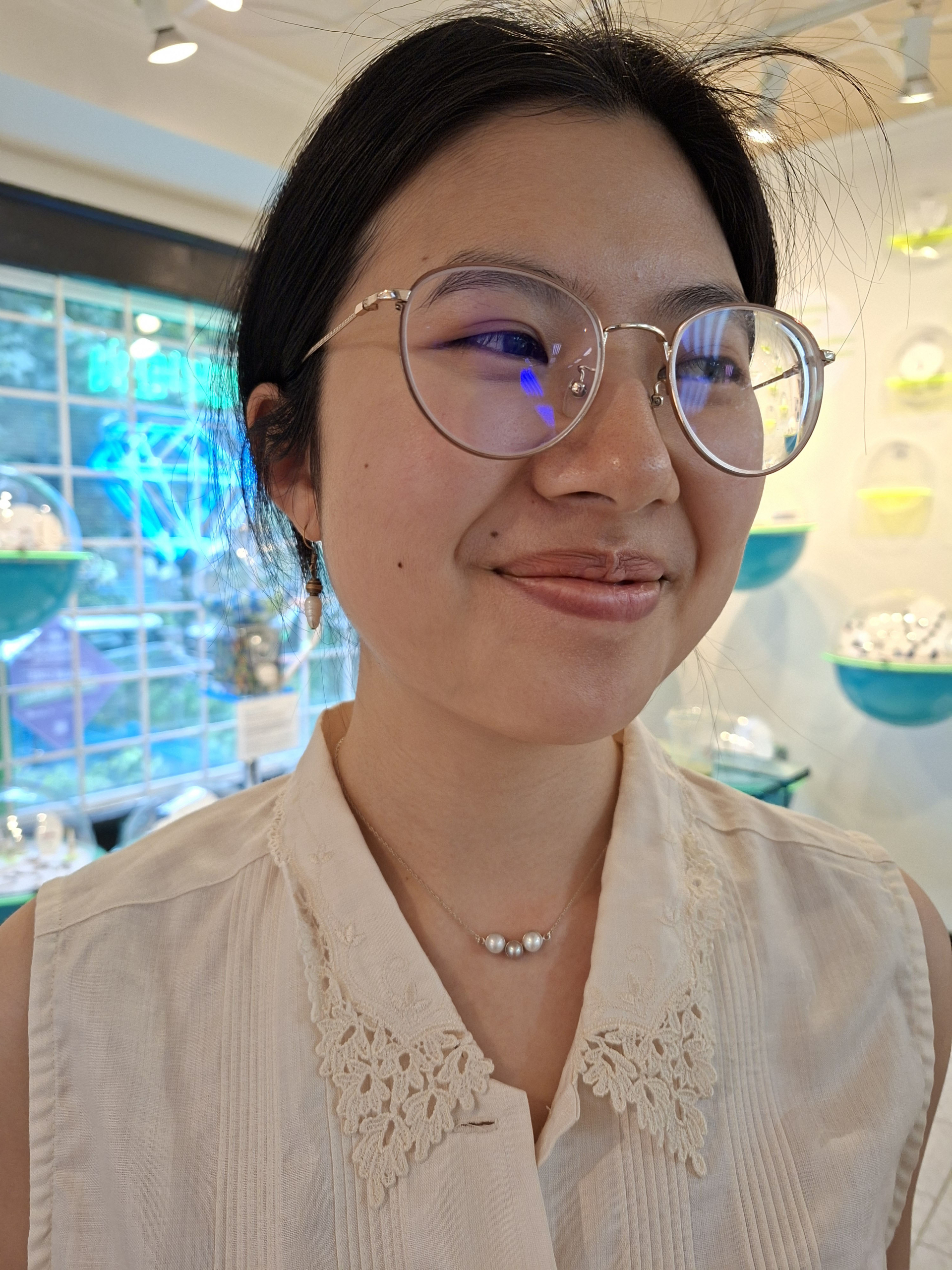
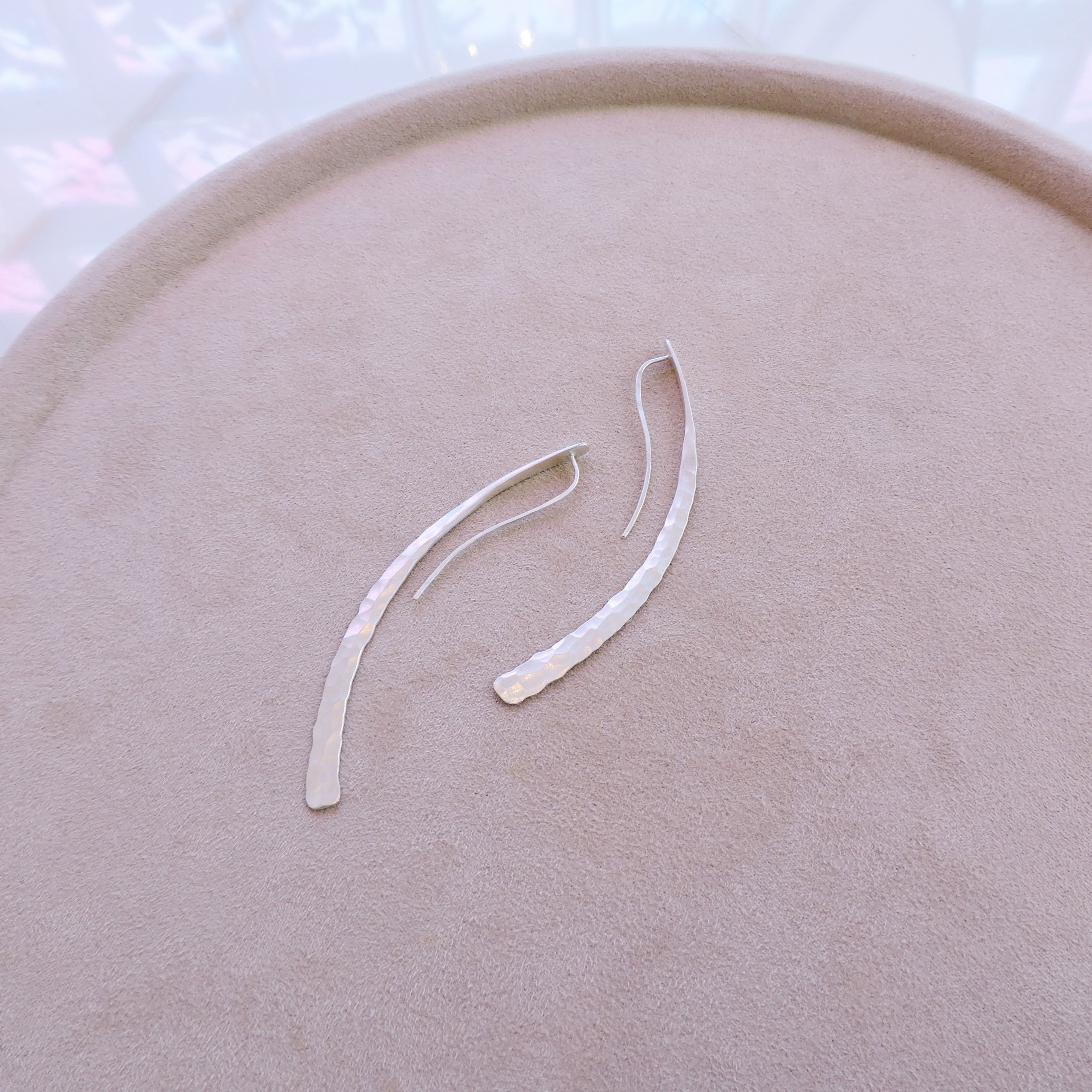
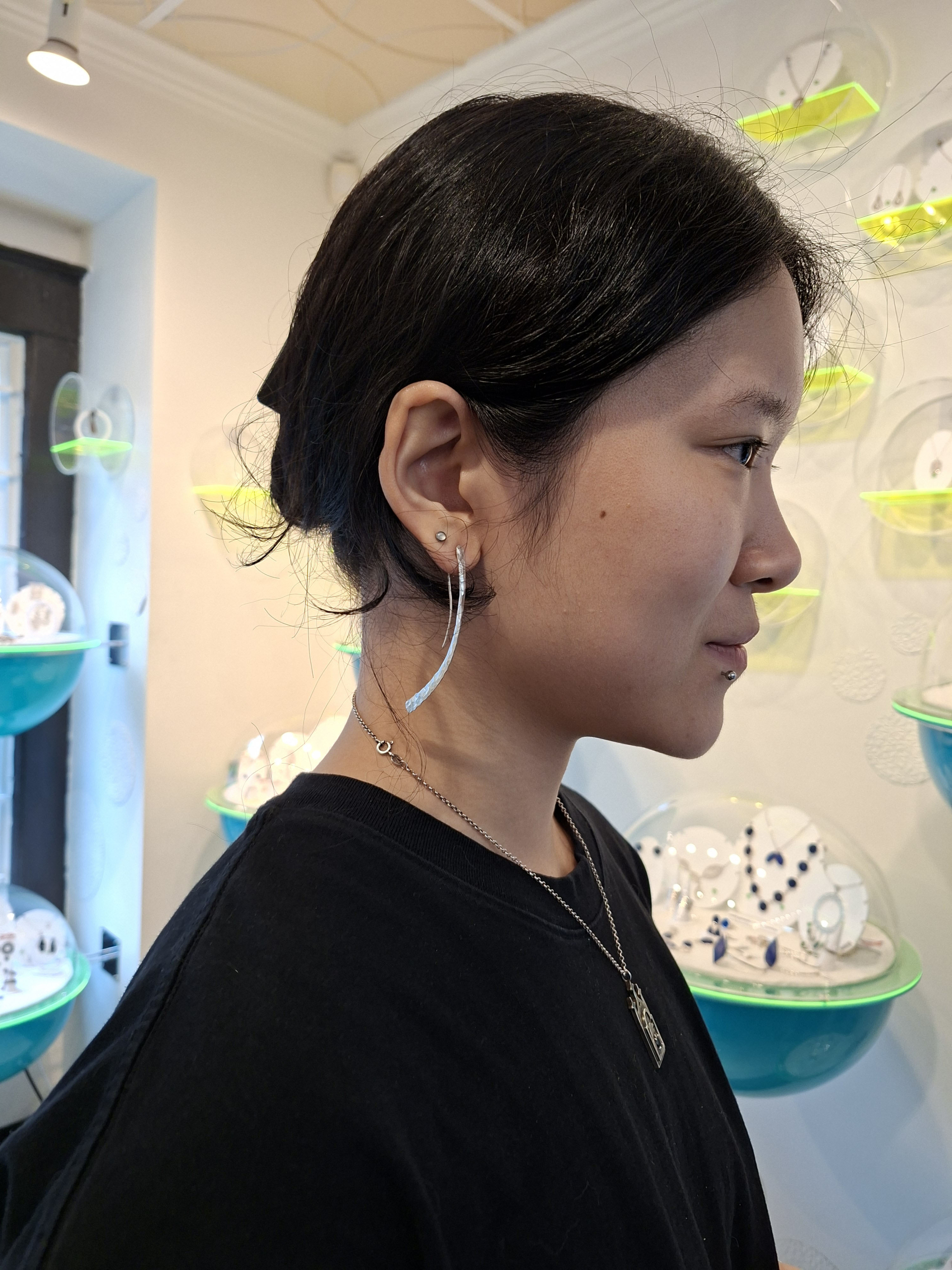
This month when you purchase a class you have the chance to win a piece of jewellery. It’s an exciting day in the studio today as two winners got to select from our jewellery giveaway wall, scroll down to see what they chose.
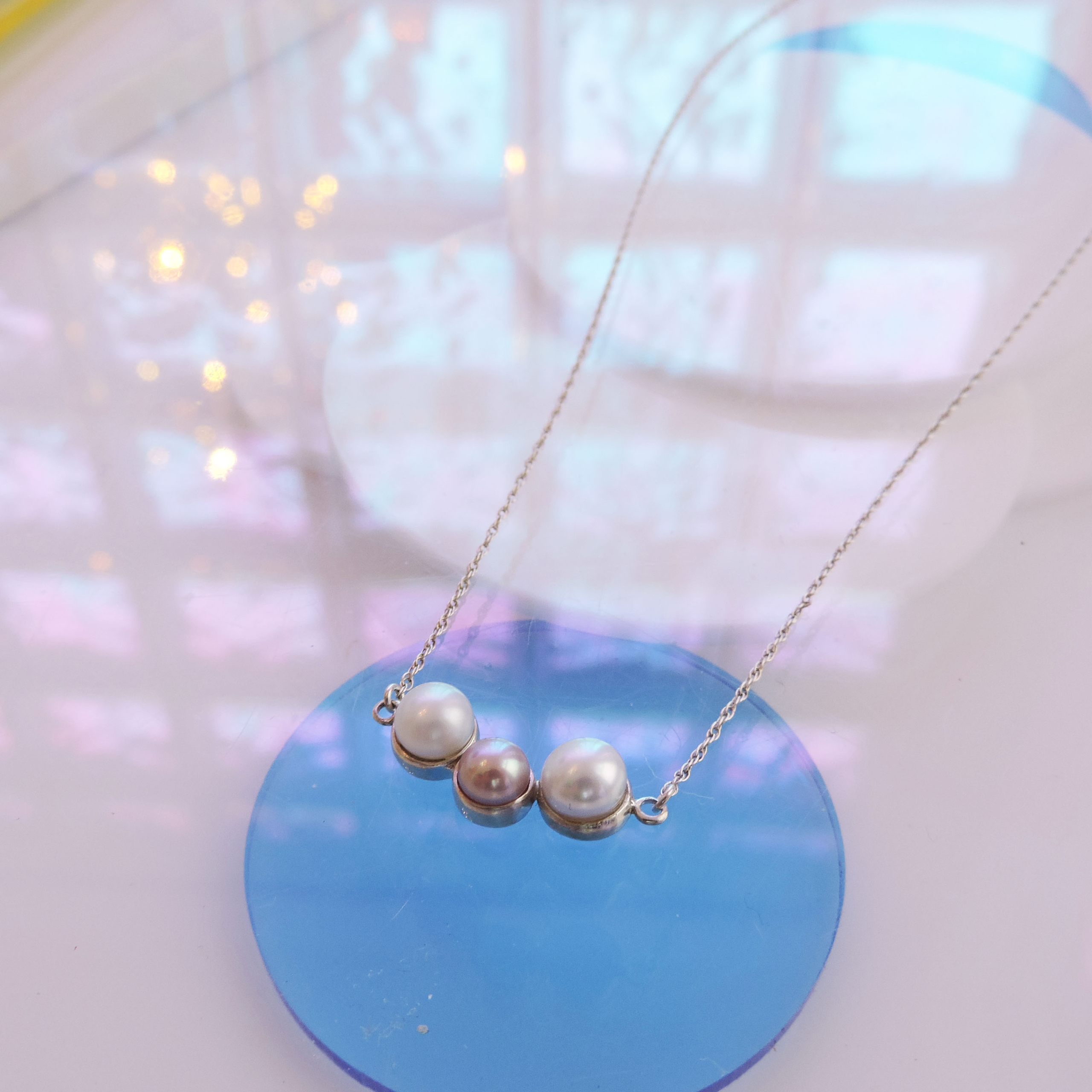
This month when you purchase a class you have the chance to win a piece of jewellery. It’s an exciting day in the studio today as two winners got to select from our jewellery giveaway wall, scroll down to see what they chose.
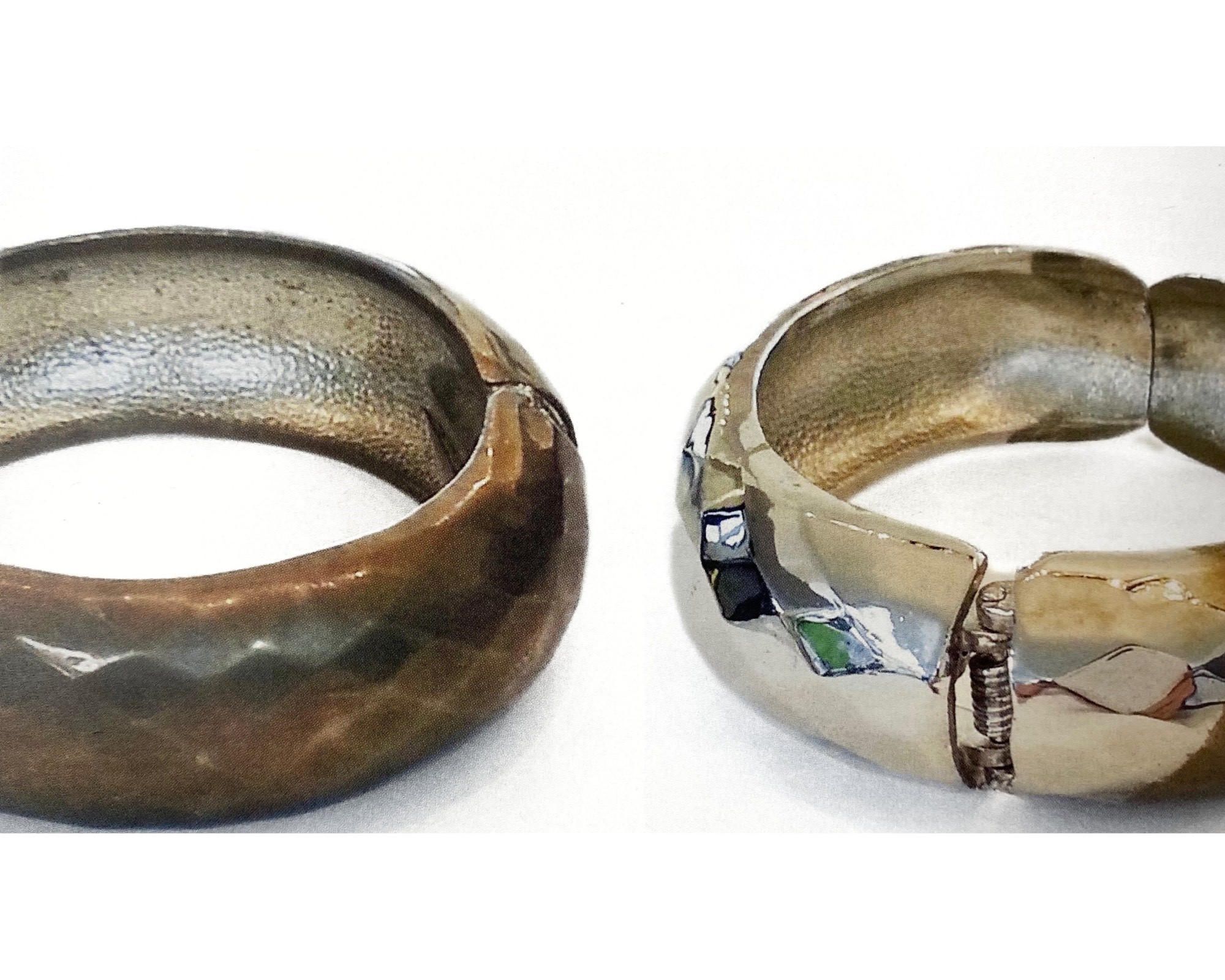
Should I just use a Jewellery dip solution to clean my Jewellery?
In some of our earlier blog posts, we have covered the basics of jewellery care, including some content on cleaning. There are a variety of methods that can be used to clean your jewellery.
Using a dip may seem like the easiest method. If you choose to use a dip, you must have some knowledge about the jewellery.
Does it have gemstones? If the answer is yes, they need to be non-porous stones. Porous stones will soak up the chemicals. This can lead to discoloration as well as contributing to a complete disintegration of the stone. Some porous stones include pearls, opals, lapis lazuli, turquoise and coral. But there are many more.
You also need to know if your jewellery is plated. Dips work by removing the top layer of a piece which is the metal that has the tarnish on it.. If your pieces are plated, you will remove plating over time with repeated dip cleaning.
Jewelry exists on a broad spectrum, ranging from mass-produced fashion accessories to highly conceptual works of wearable art. Three commonly used terms within this spectrum are costume jewelry, studio jewelry, and art jewelry. While they can sometimes overlap in appearance, they differ significantly in their purpose, methods of production, and relationship to artistic expression. Understanding these distinctions helps consumers, collectors, and jewelry enthusiasts appreciate the diverse roles jewelry can play in both fashion and contemporary art.
Costume jewelry is primarily designed as a fashion accessory. Often produced in large quantities, it is typically made from less expensive materials such as plated metals, glass, resin, acrylic, or synthetic stones. Its purpose is to complement current fashion trends and provide an affordable alternative to fine jewelry.
Studio jewelry, by contrast, is created by independent makers who design and fabricate their work in personal studios rather than factories. Studio jewelers are directly involved in every stage of production, resulting in pieces that emphasize craftsmanship, originality, and the artist’s individual vision. Materials may range from precious metals and gemstones to found objects and alternative materials.
Art jewelry takes the concept of jewelry a step further by prioritizing artistic and conceptual expression. While many art jewelers work in studio settings, their pieces are often created to communicate ideas, tell stories, or challenge traditional notions of adornment and value. Art jewelry may use unconventional materials, experimental techniques, or symbolic forms, positioning the work closer to sculpture or fine art than fashion accessory.
Although the boundaries between studio jewelry and art jewelry are fluid, the distinction lies in emphasis: studio jewelry highlights the maker and the handcrafted process, while art jewelry highlights the artistic message. Together, these categories illustrate how jewelry can function as fashion, craft, and art simultaneously.
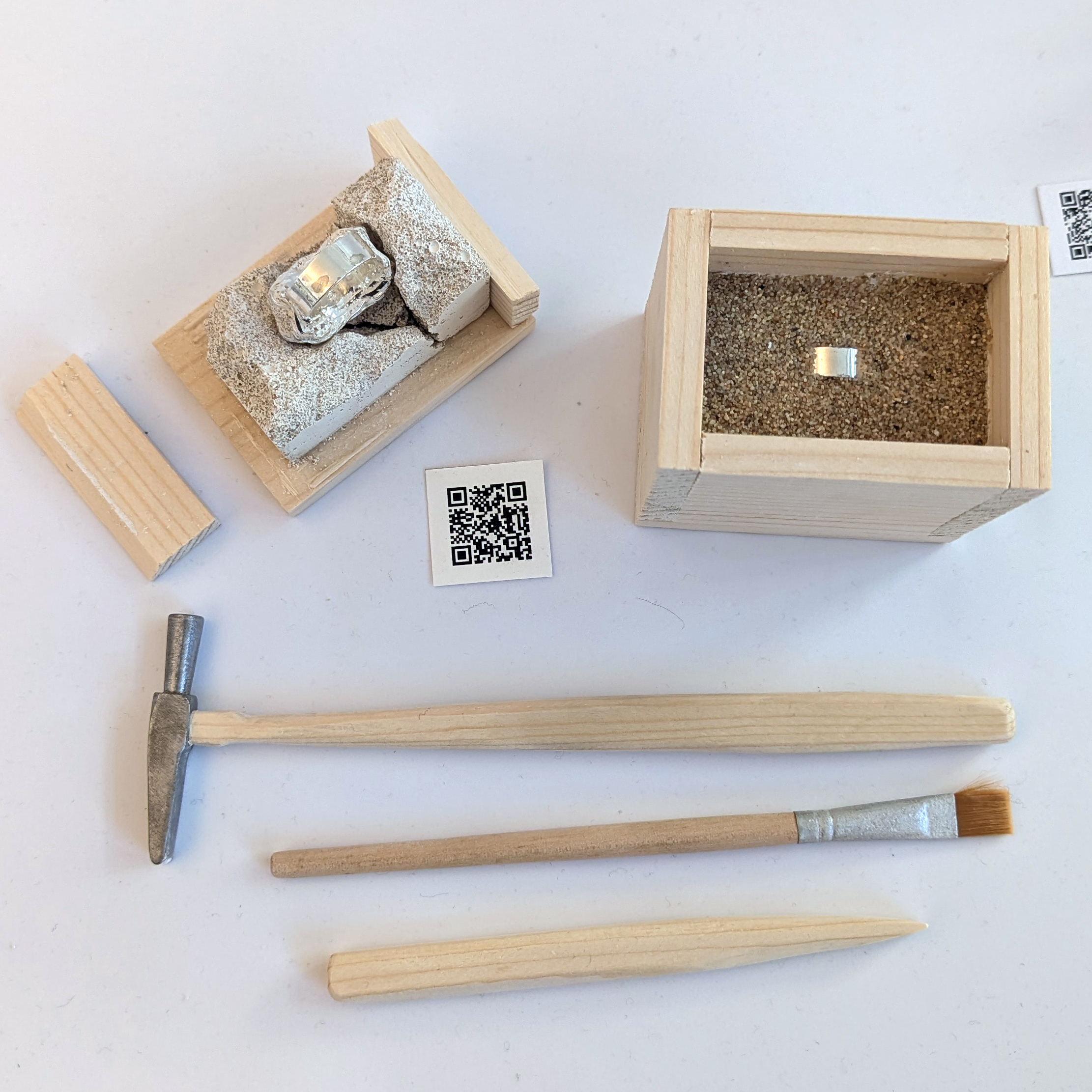

Ana Villalba – Brooch – Cardboard, silver.

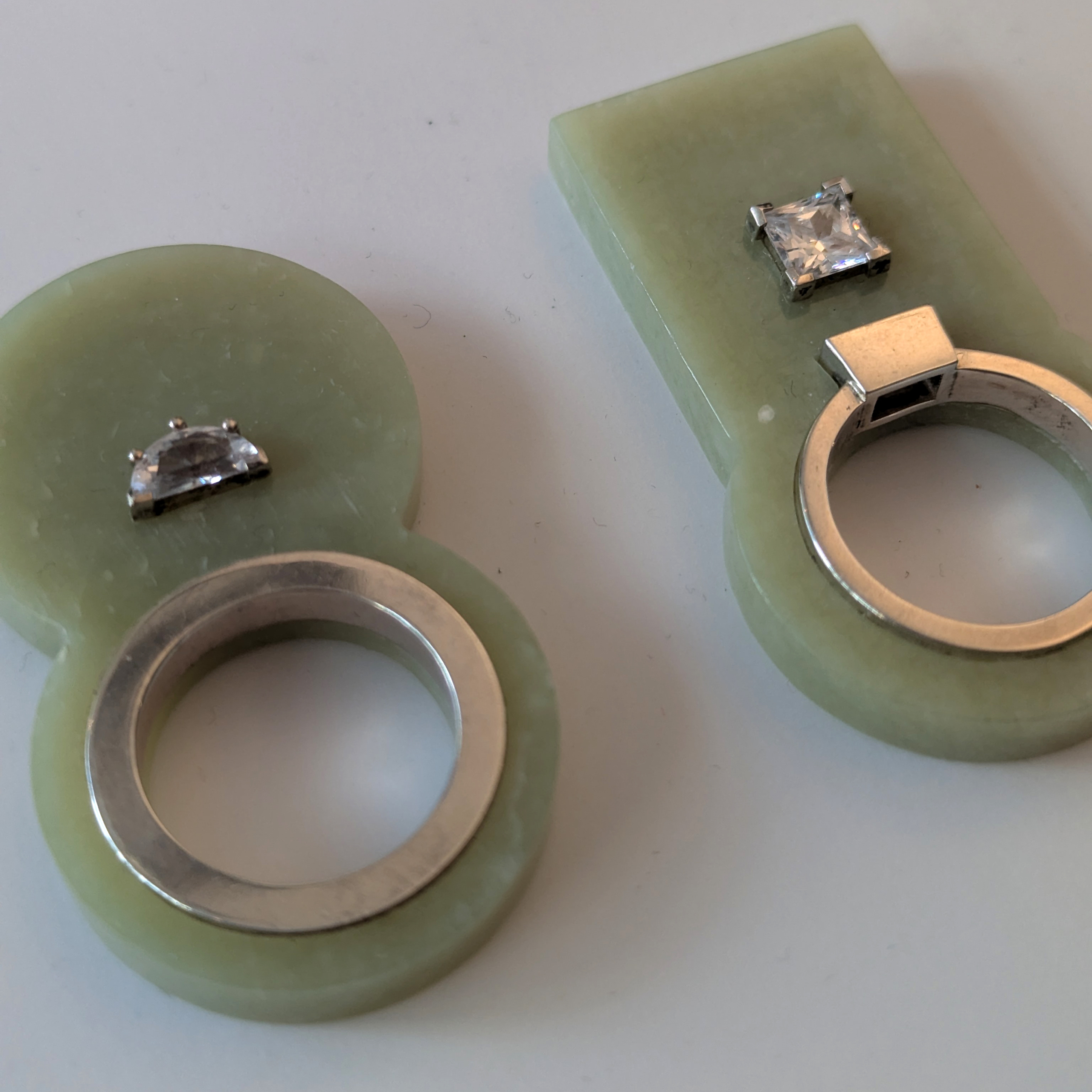
Xiaoyu Li – Rings – Jade, silver, unknown stones

Robin Deriaz – Ring/Sculpture – Mixed media
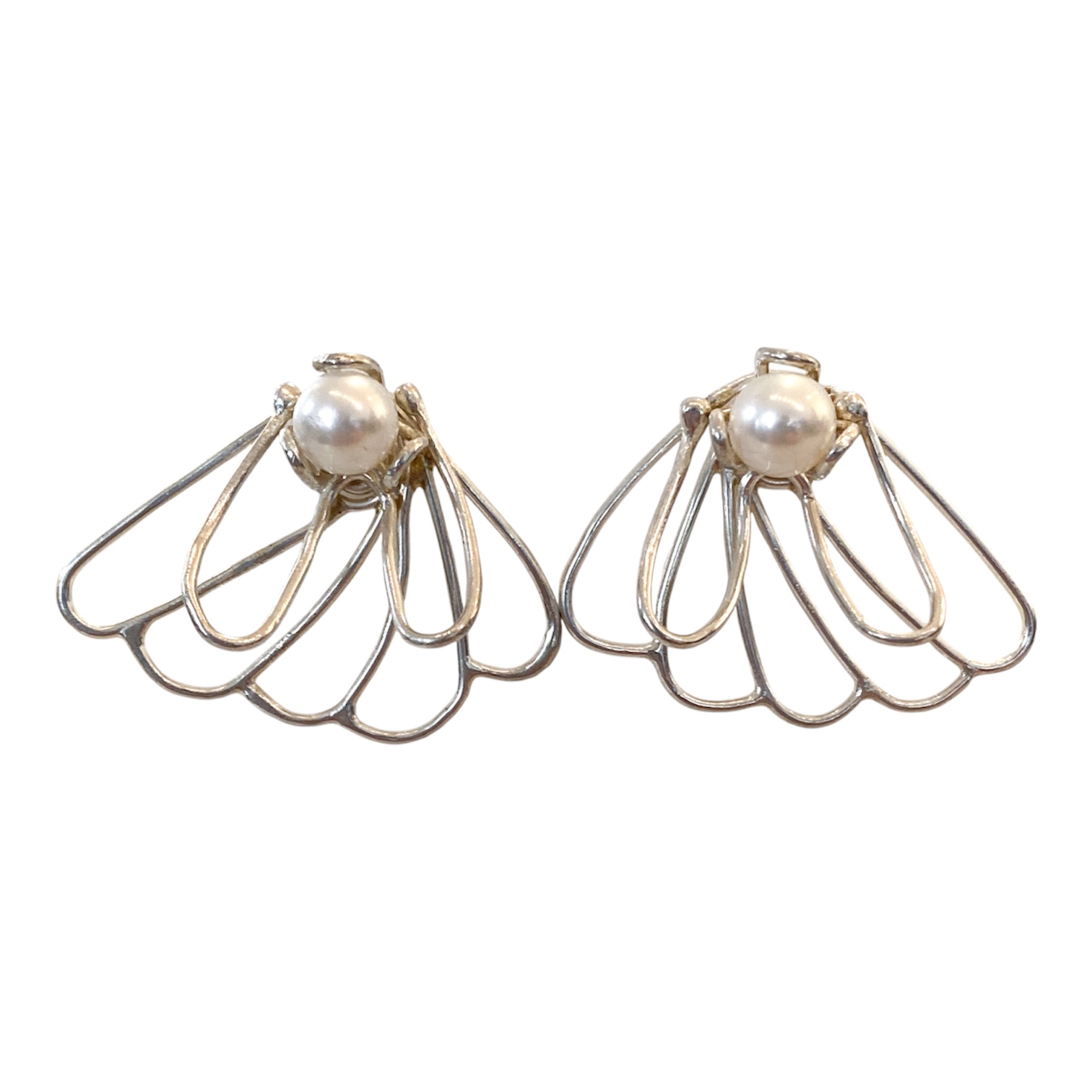
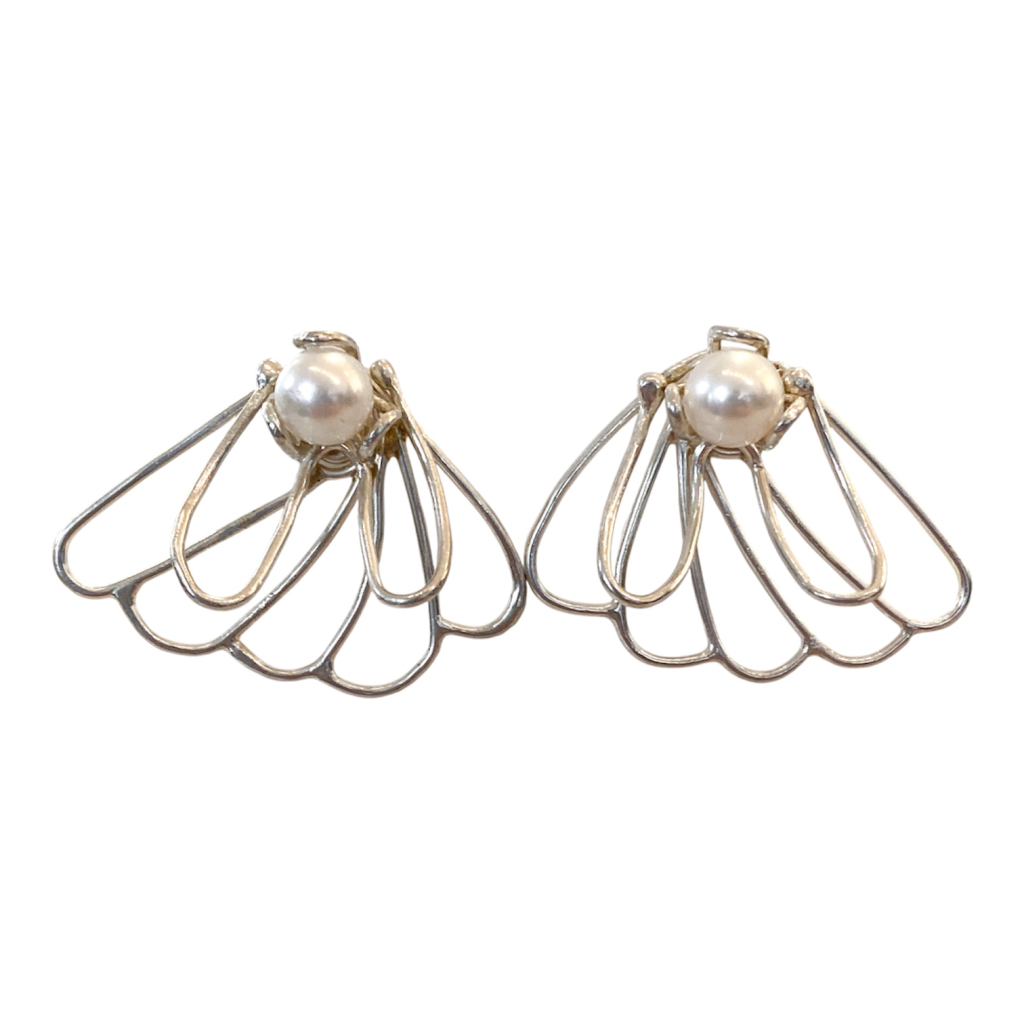
Earrings by Yuna Zhang
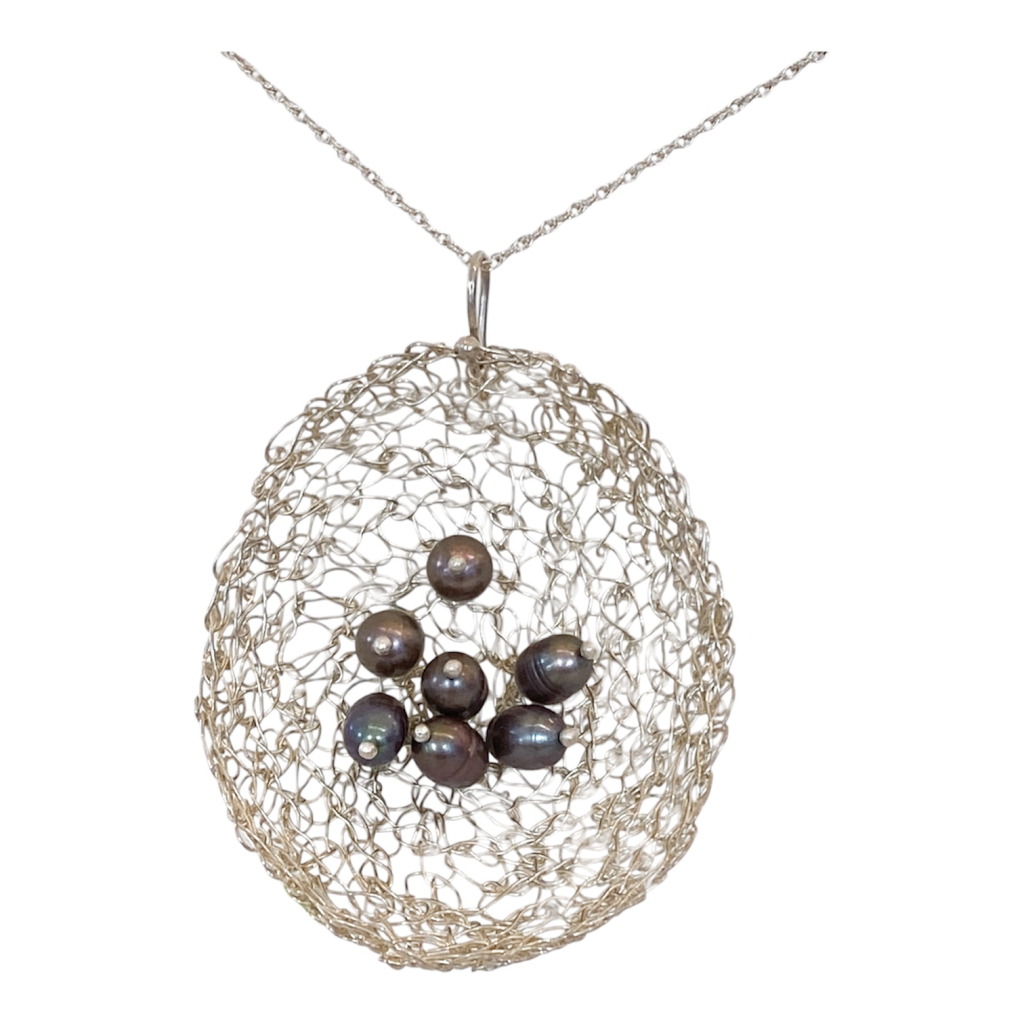
Necklace by Jamie Rosario
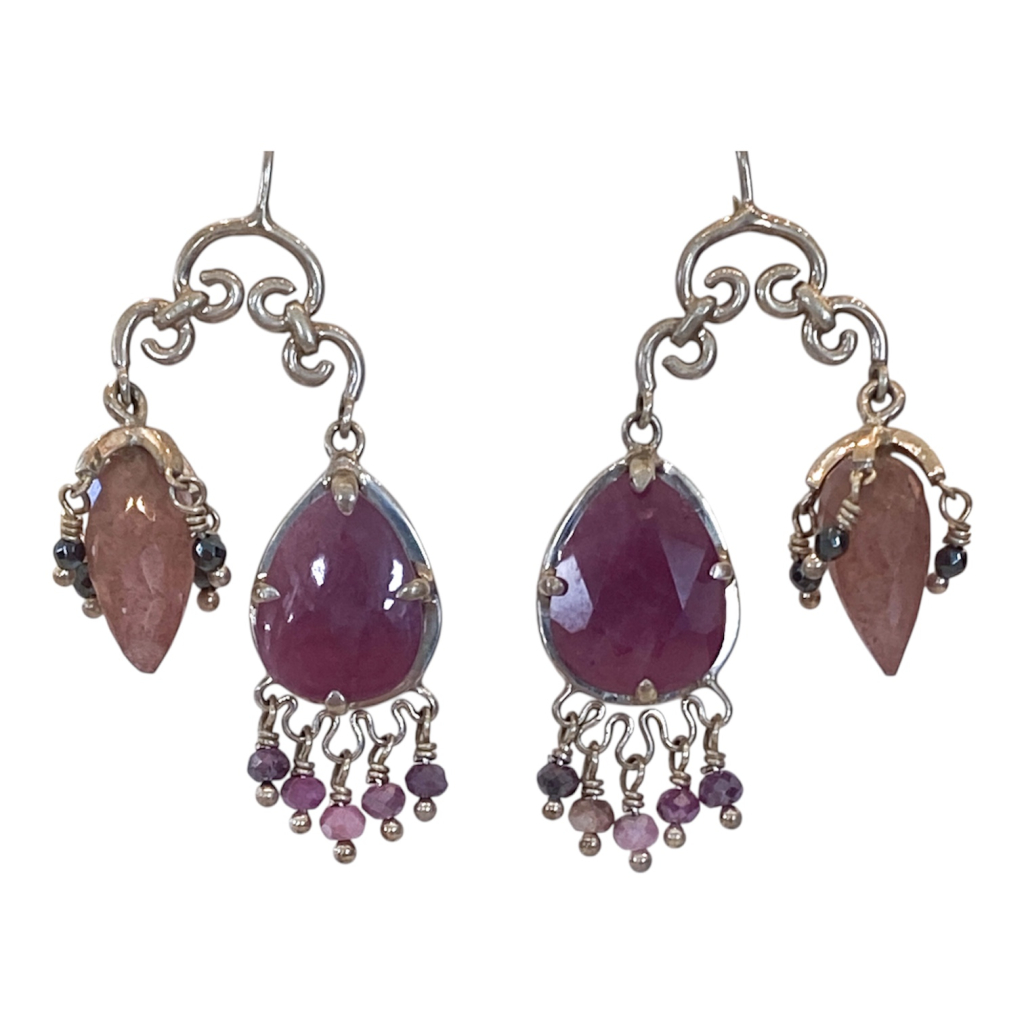
Earrings by Alexis Kostuk
It’s a veritable feast for your eyes in the shop- wander by and check it out!
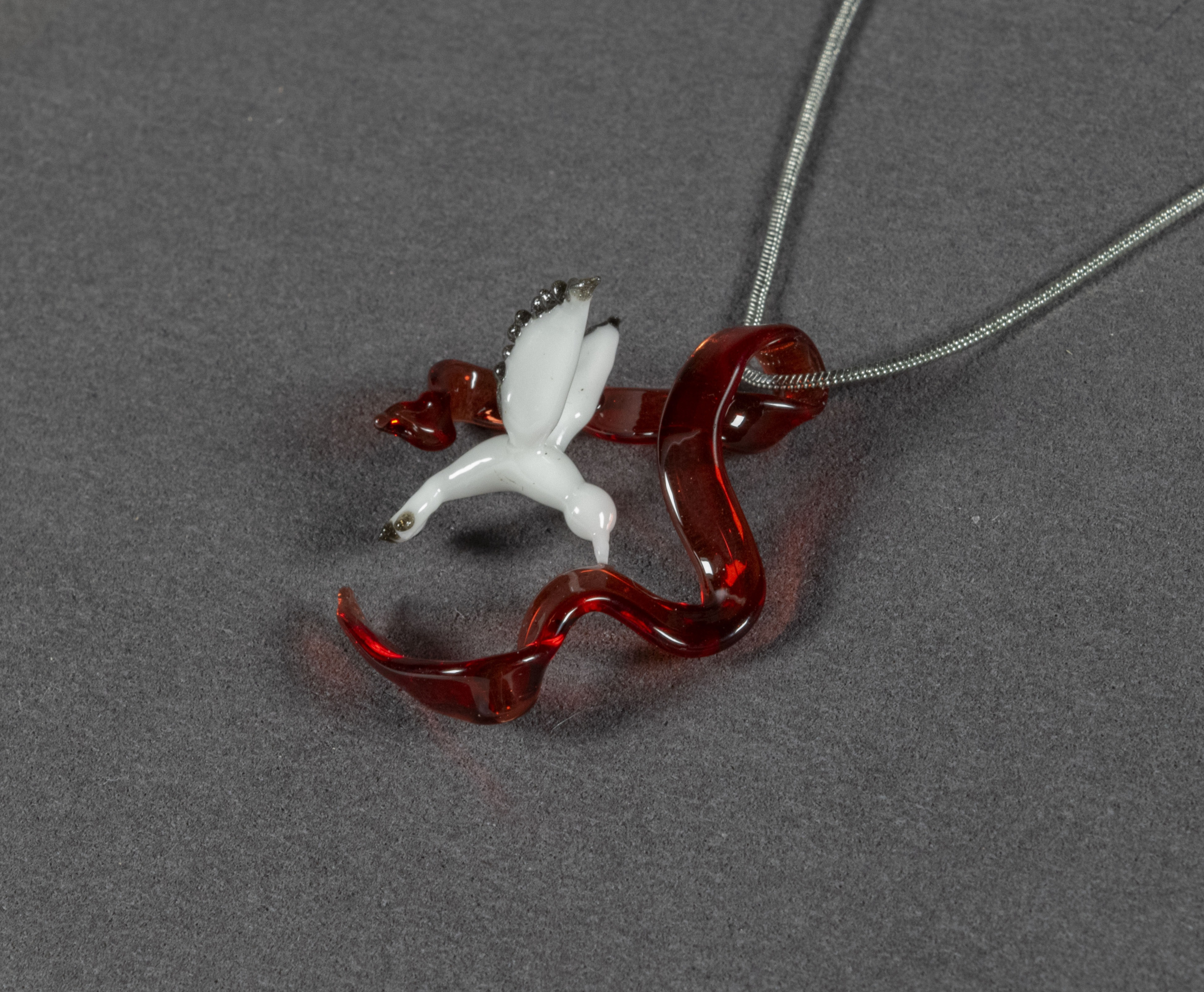
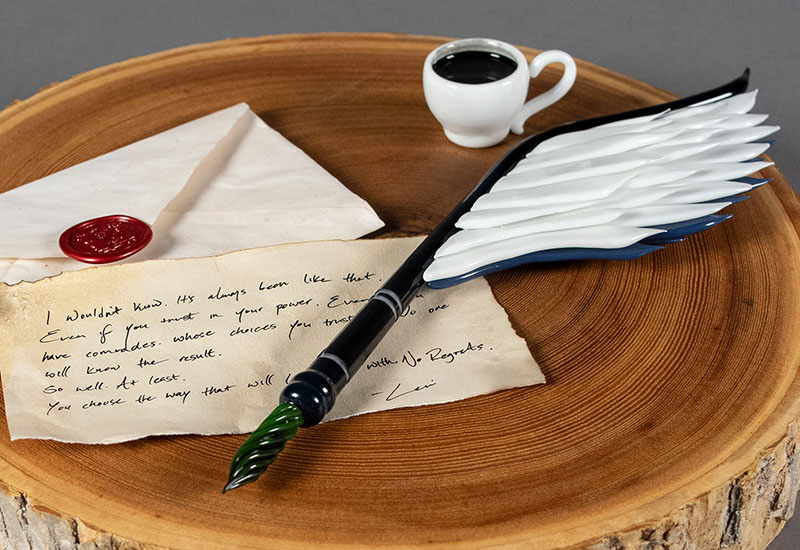
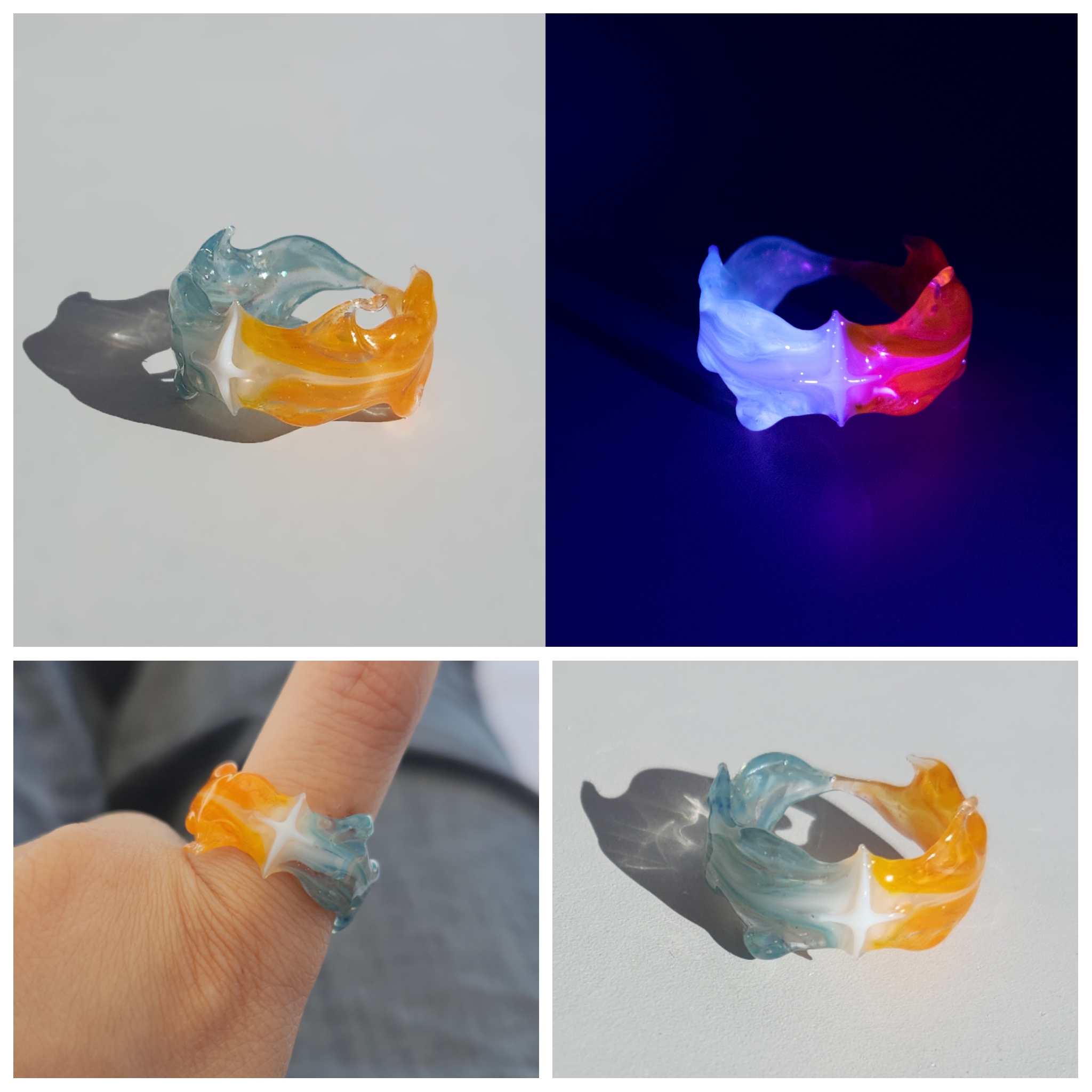
My name is Brianna, and I am a multimedia designer and maker who specializes in flameworking borosilicate glass. During my time at Sheridan, where I received my Bachelor’s of Craft and Design, I realized I particularly enjoyed making glass jewellery. I loved the intricacy involved in working small-scale. Now, I am enrolled in the Jewellery Methods program at George Brown Polytechnic with the aspiration of combining my glasswork with precious metal! As a detail-oriented person who loves creating, I always strive to create imaginative pieces that push the boundaries of the material I am working with as well as my own skills. I am super grateful to have the opportunity to continue my journey at Jewel Envy, and am excited to keep making!
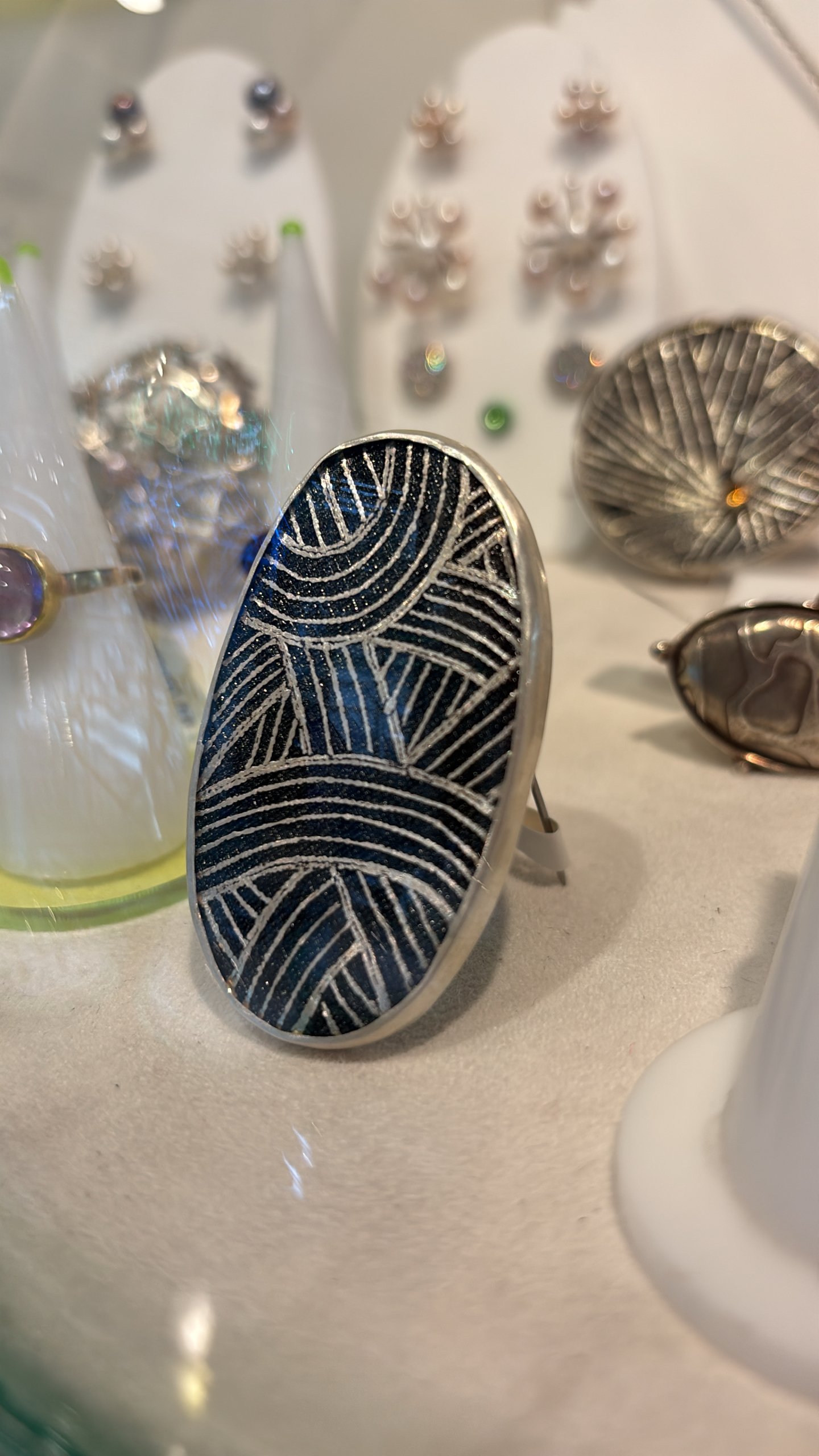
Ipsa brooch by Hyewon Jang
The oldest method of inlay developed during the Goryeo era (918-1392). This time, thin grooves were engraved into metal surface using a chisel. Then the artisan also known as ipsajong inserts silver or gold thread into the groove.
Geometric patterns are a popular motif, as are floral and animal motifs such as apricots, orchids, chrysanthemums, bamboo, cranes, deers, bats, tigers and pines.
To do ipsa, it requires so much patient and dexterity.
Following up on one of our April Posts on Cleaning Jewellery.
https://www.jewelenvy.ca/cleaning-your-jewellery/: …Cleaning your Jewellery, continuedAnother product that is often used to remove tarnish is a chemical dip. This is the harshest home removal method and proper care and consideration should be taken before using it. Dips are strong chemicals that can take off a fine layer of the metal (be aware they can remove plating over time and corrode some gemstones) but can also deposit a thin layer of chemicals that are difficult to remove.
If this thin film is not removed in the cleaning process the jewellery will tarnish faster than before, creating a cycle that will necessitate more frequent cleaning of your pieces.
To remove this layer of cleaner, pieces must be rinsed for a long period of time under clean water until the film is gone.
Chemical dips are corrosive, and gloves should always be worn when using them. As they are a strong cleaner for jewellery, they can damage some stones.
….
’20 Tips on maintaining our Jewellery’, Gillian E. Batcher, 2013
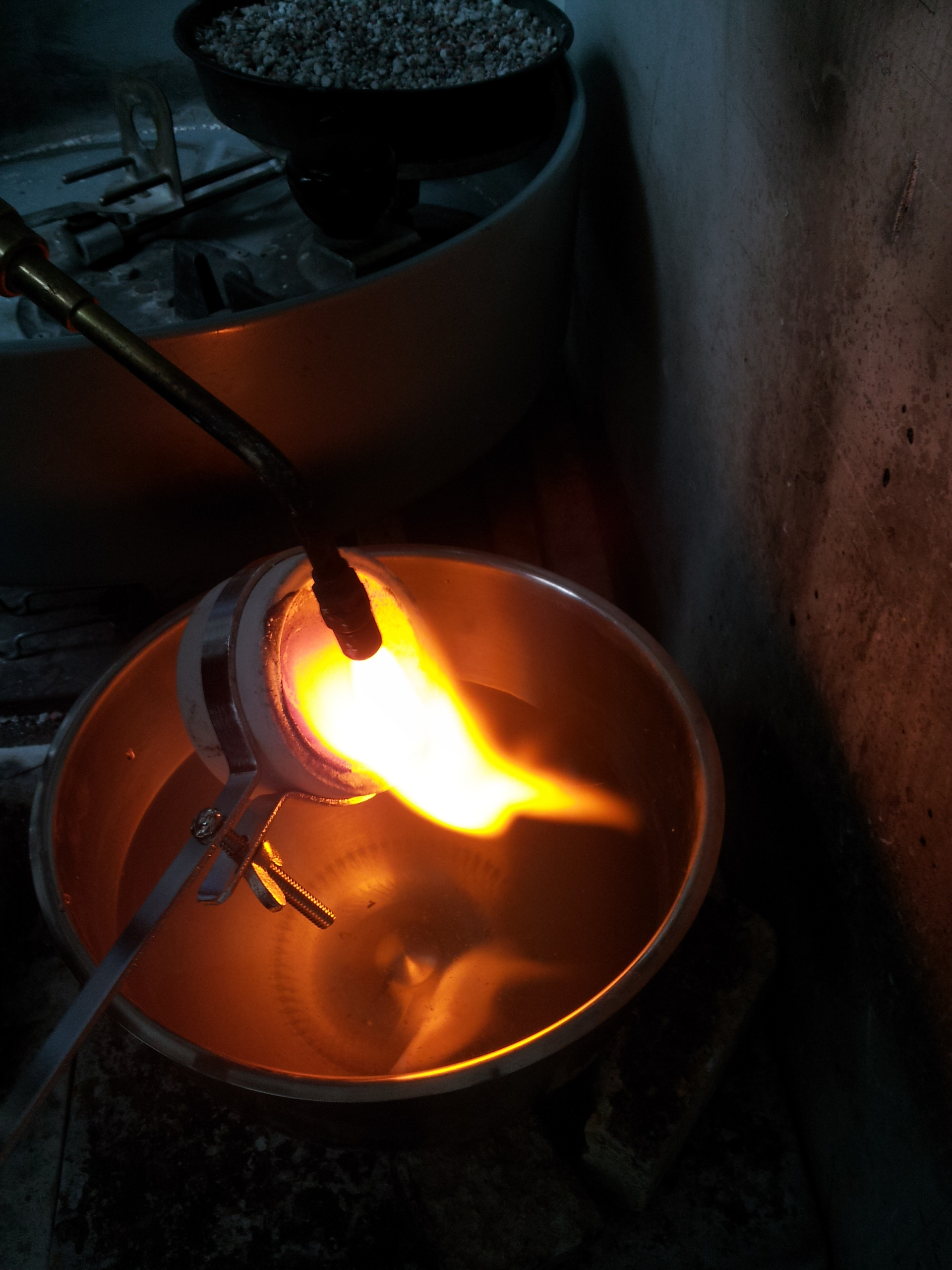
Hi everyone! My name is Ruby, and I’m currently interning at Jewel Envy this summer. I’m enrolled in the Jewelry Program at George Brown College, where I’m learning different casting and goldsmithing techniques and beginning my journey as a jewelry maker and future business owner.
So far, Gillian has taught me so much about the industry here at jewel envy, and I’ve been learning a lot throughout this internship. I’m excited to continue growing here and look forward to sharing updates on projects at Jewel Envy, along with my own work. Talk to you soon!
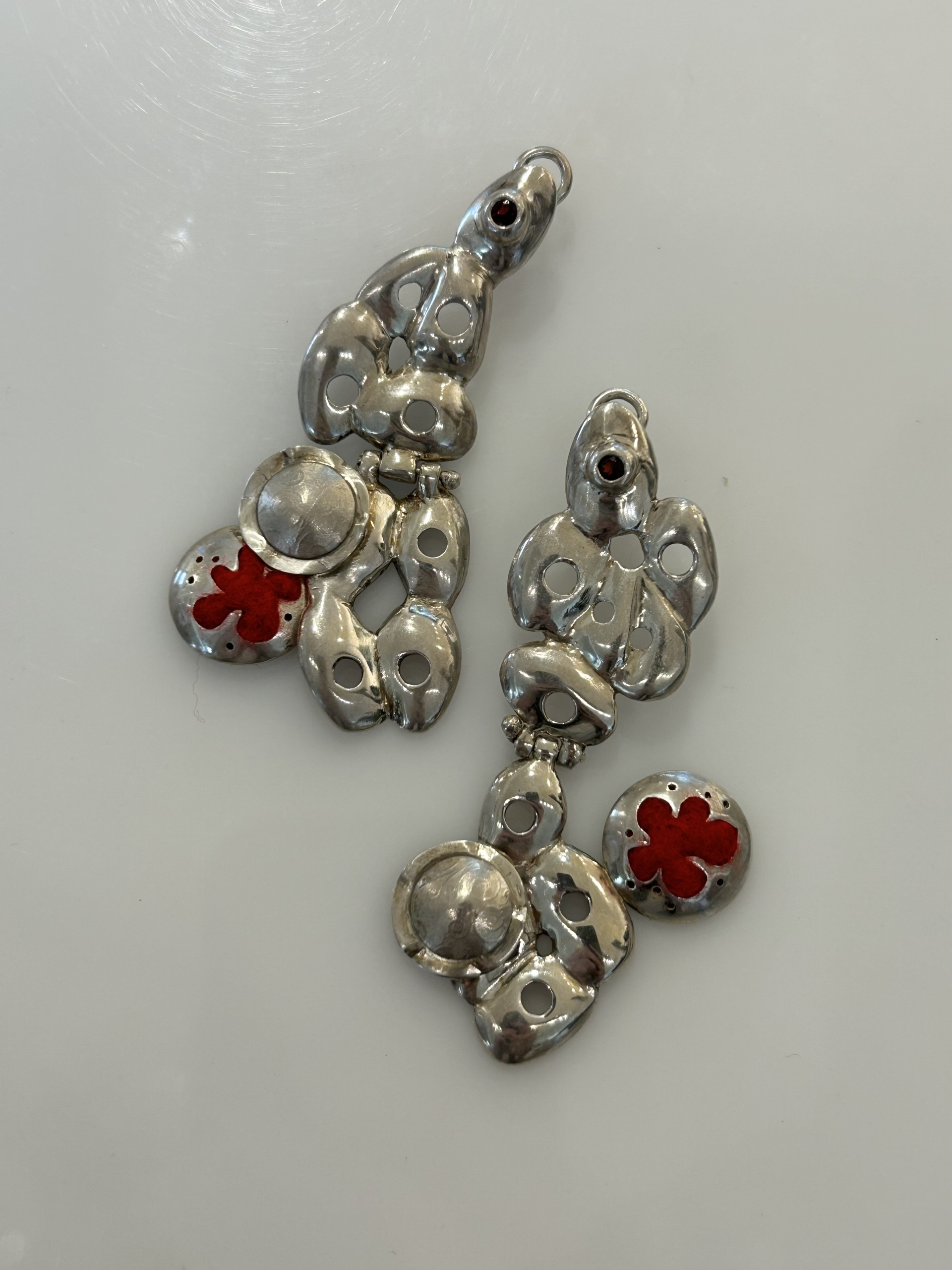
Wax carving is among the more customizable aspects of goldsmithing. Lost wax casting is useful in producing solid three-dimensional volumes and sculptural work. Anything carved in wax can be turned into metal! Here are just a few examples by our goldsmiths here in studio of what can be accomplished with wax carving.
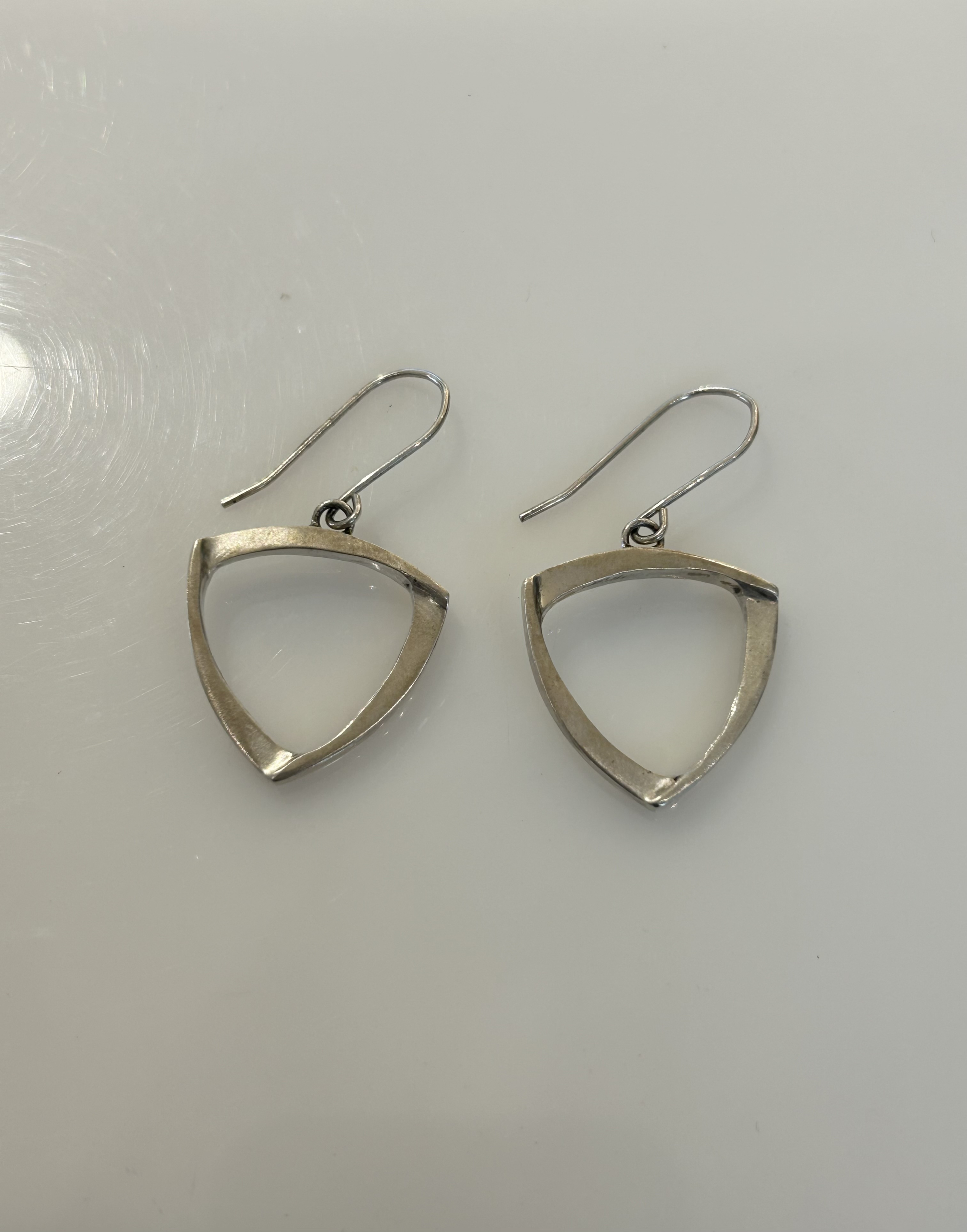
Earrings by Handmade Revolution (Aurora Simmons); producing a volume and carving adjacent to each corner to create a dynamic pair of triangles.
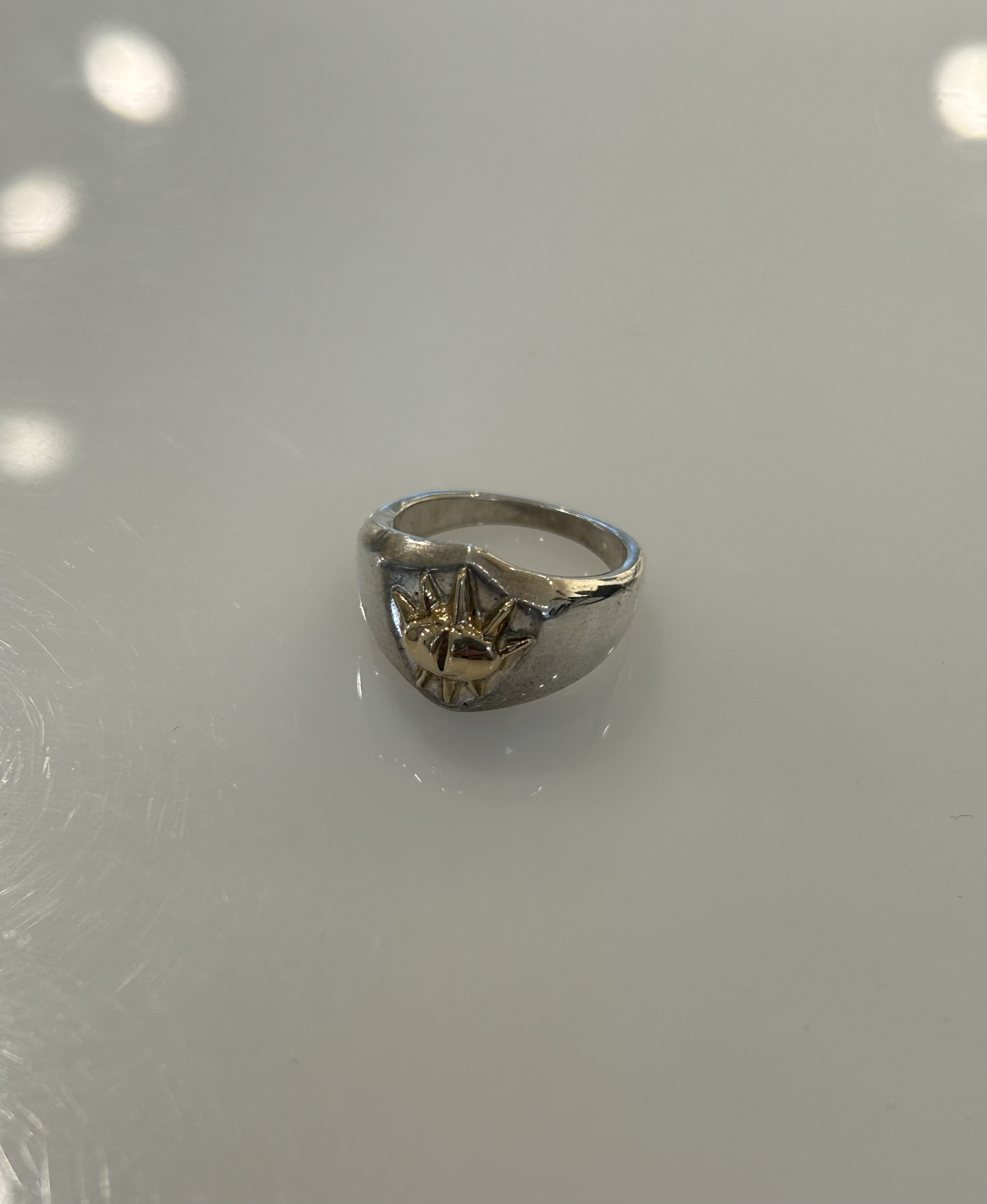
Ring by Glaciale Goldsmith (Alexis Kostuk) using both gold and silver to cast.
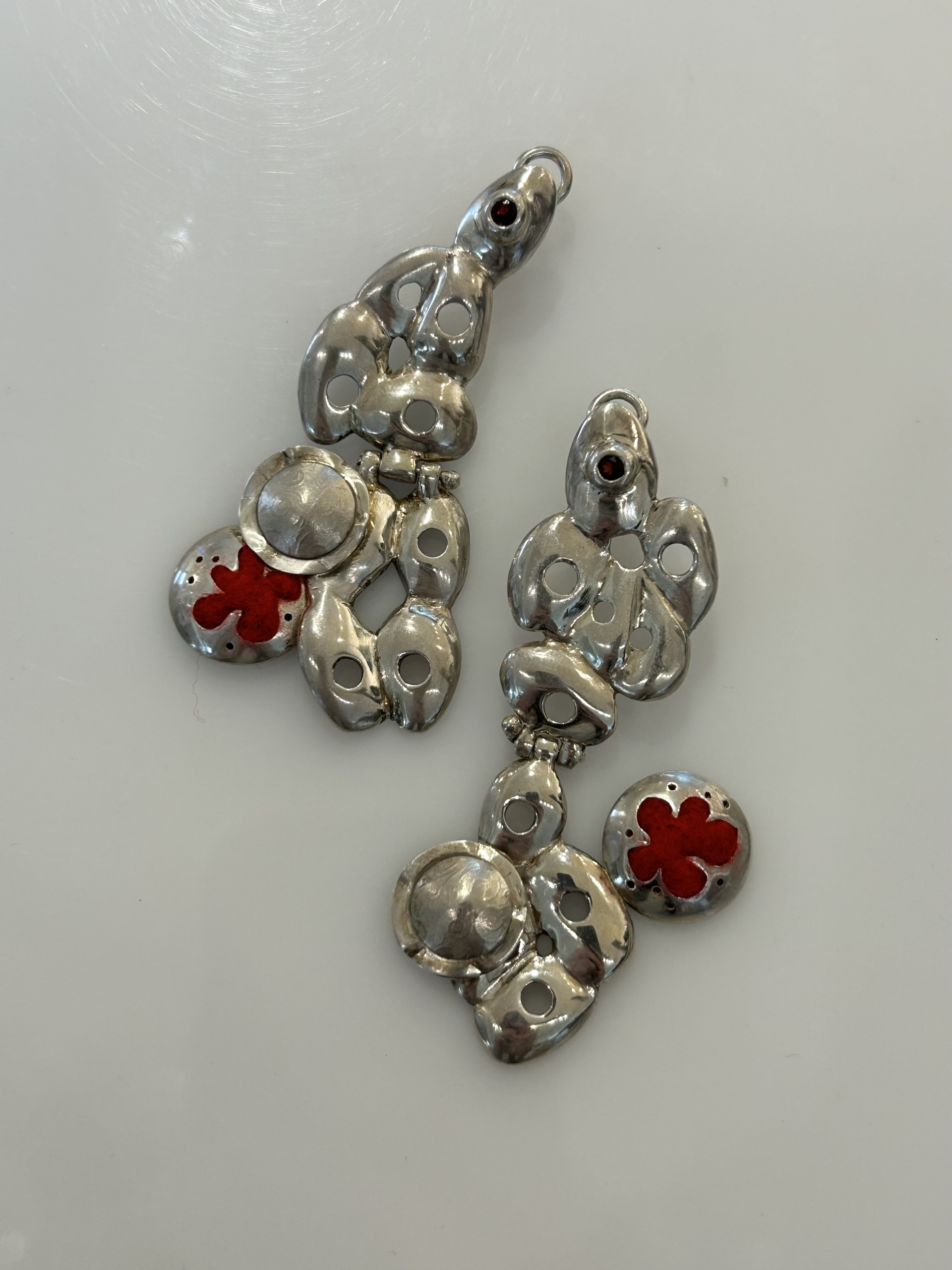
Earrings by House of Cassady (Robin Cassady-Cain) combining wax carved blood cell motifs with textiles and fabricated domes.