

Ana Villalba – Brooch – Cardboard, silver.

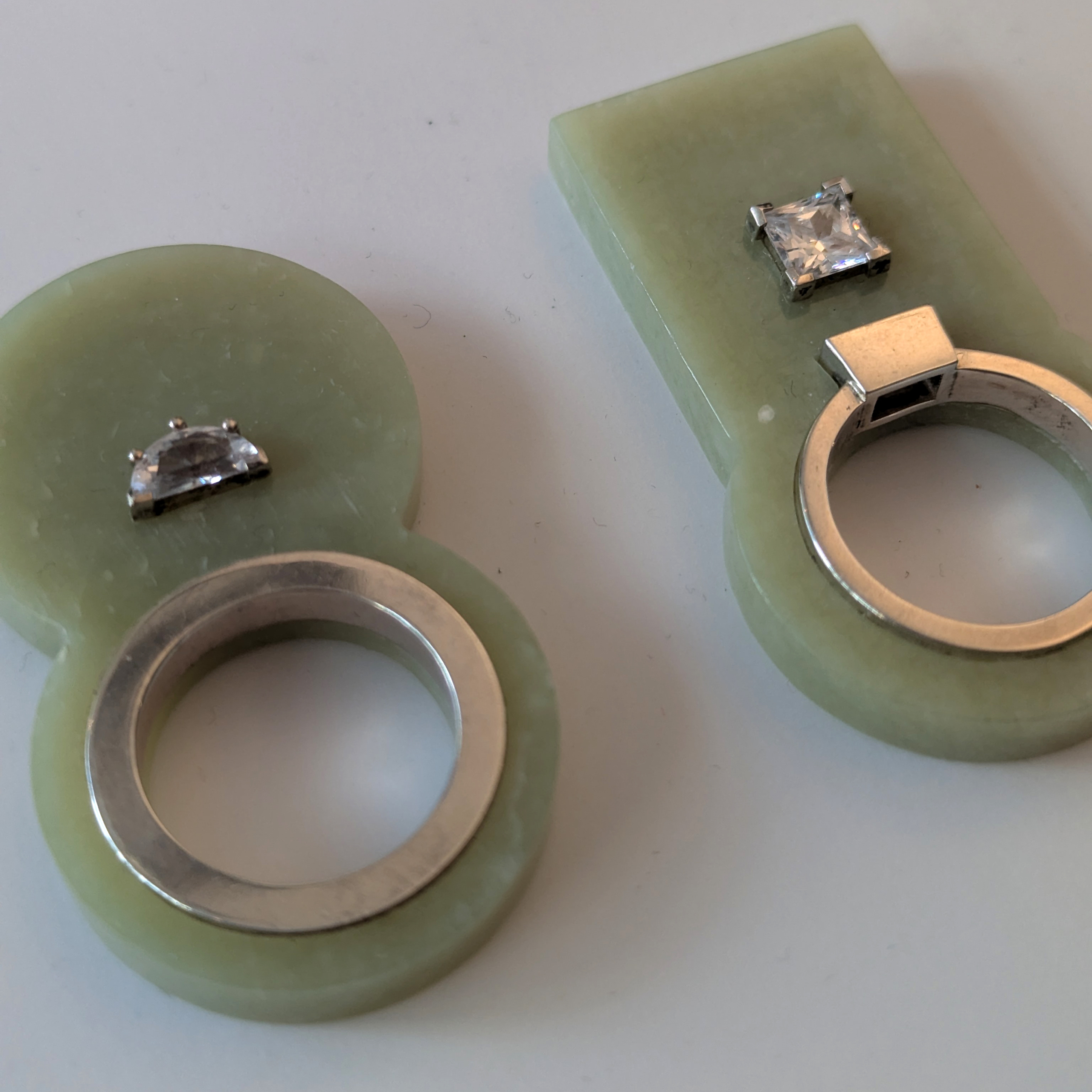
Xiaoyu Li – Rings – Jade, silver, unknown stones

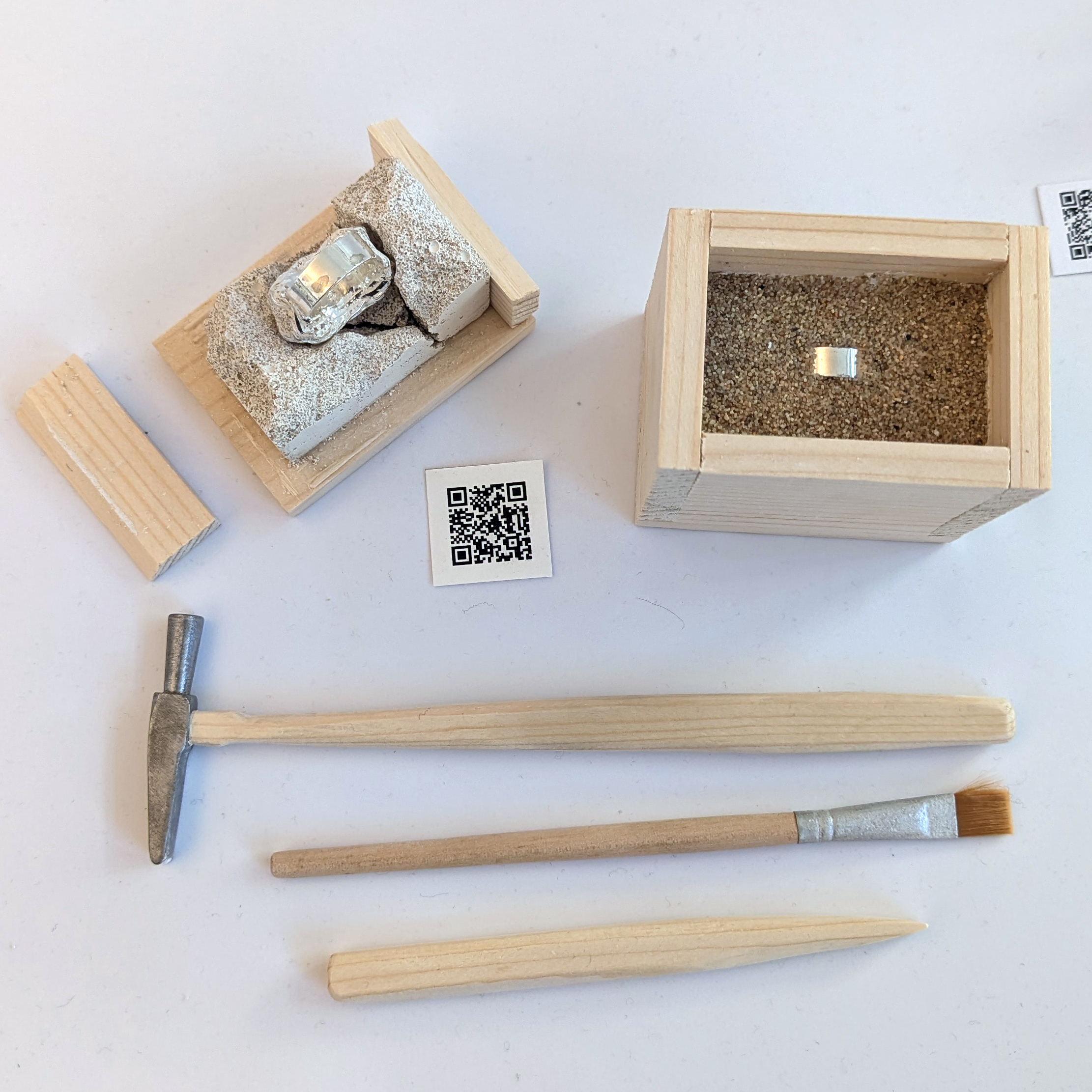
Robin Deriaz – Ring/Sculpture – Mixed media
Ana Villalba – Brooch – Cardboard, silver.
Xiaoyu Li – Rings – Jade, silver, unknown stones
Robin Deriaz – Ring/Sculpture – Mixed media
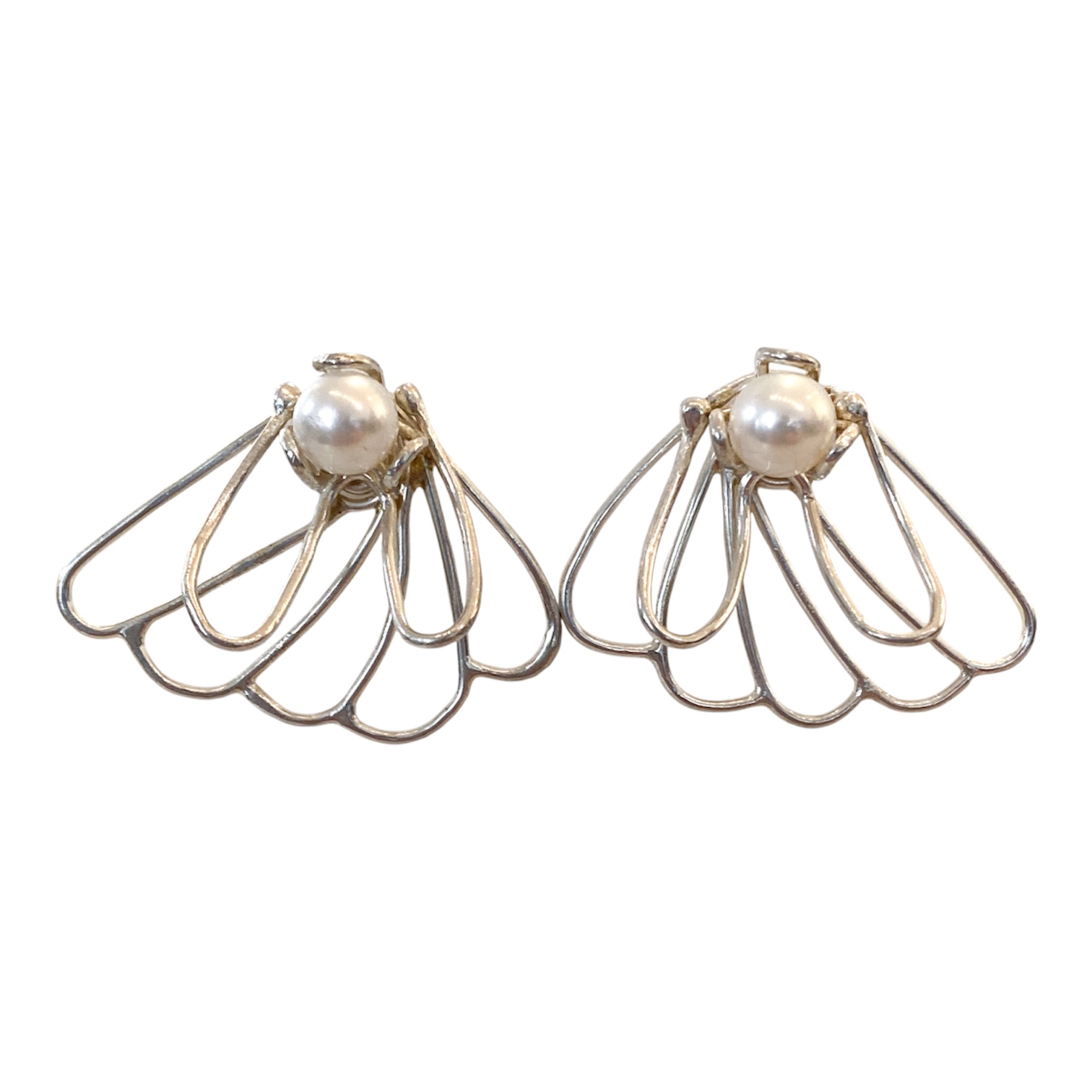
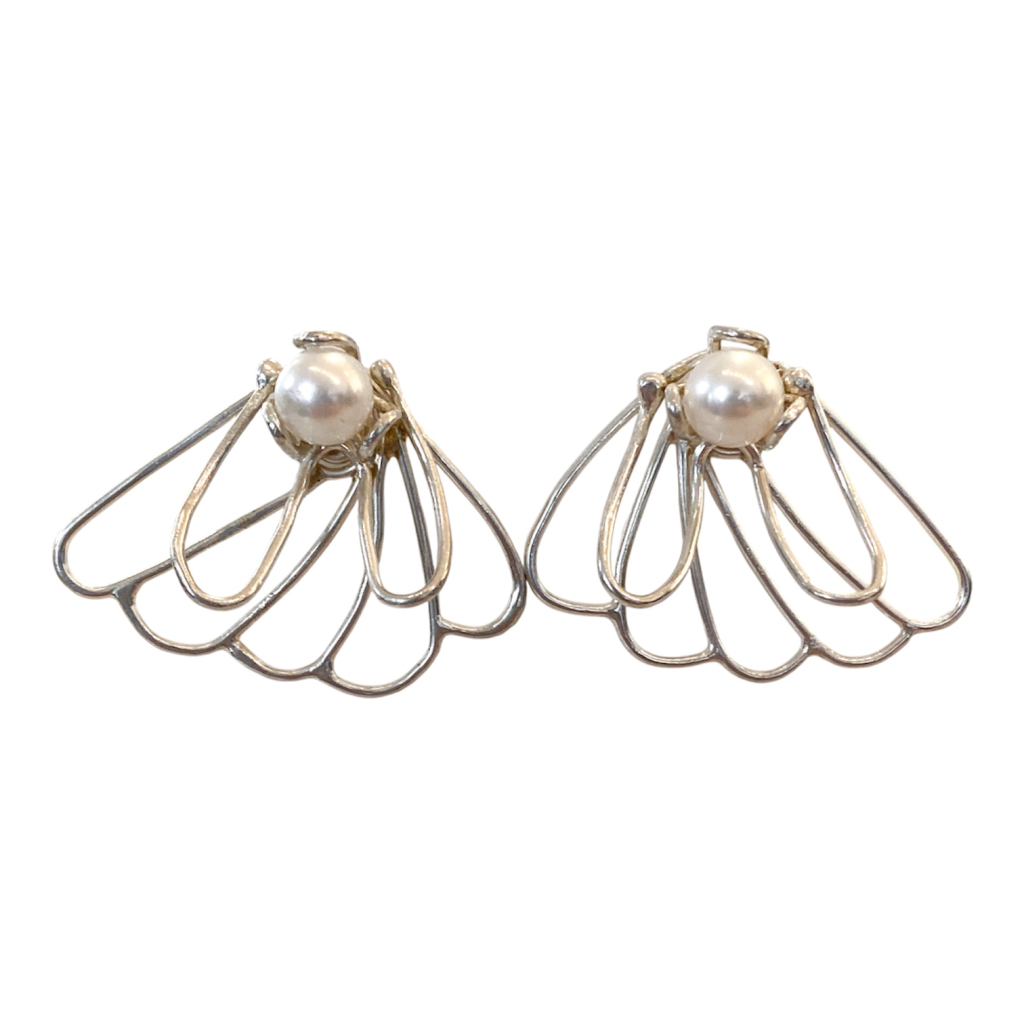
Earrings by Yuna Zhang
Necklace by Jamie Rosario
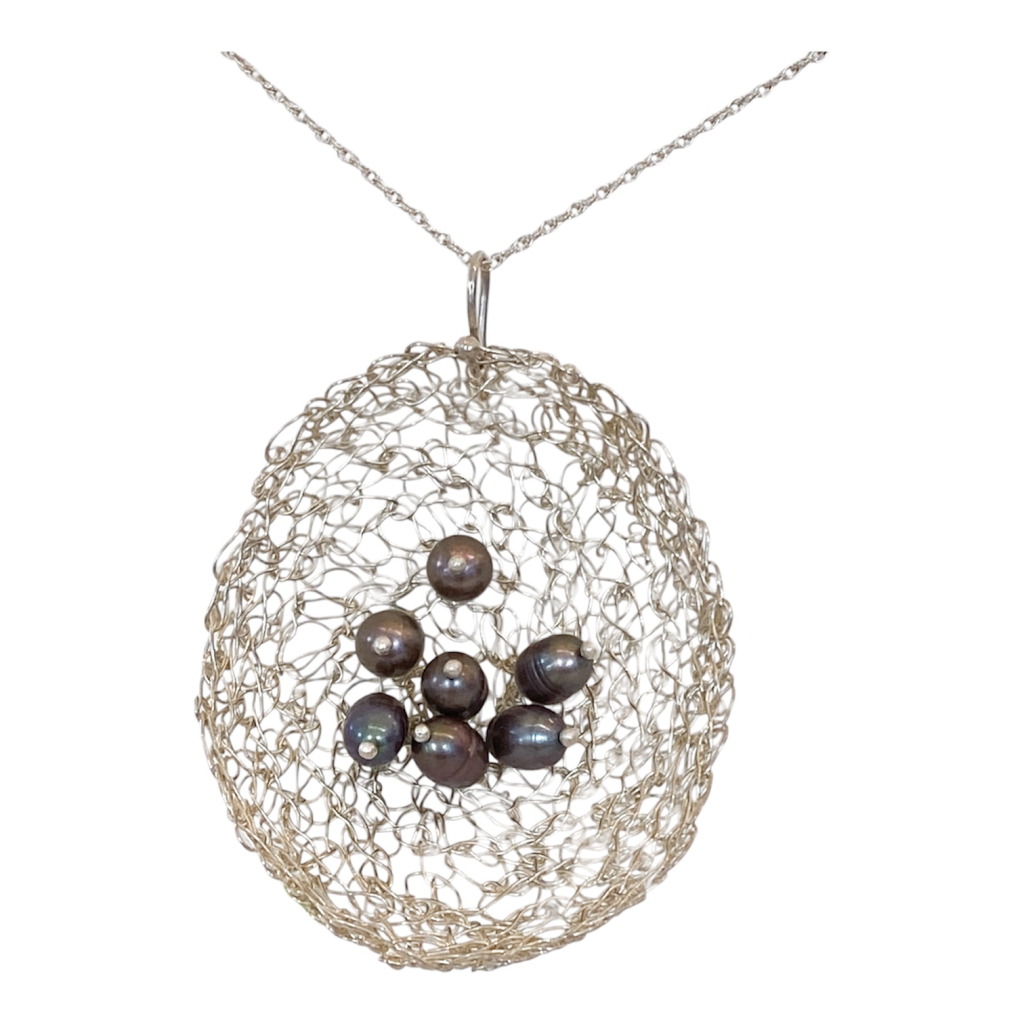
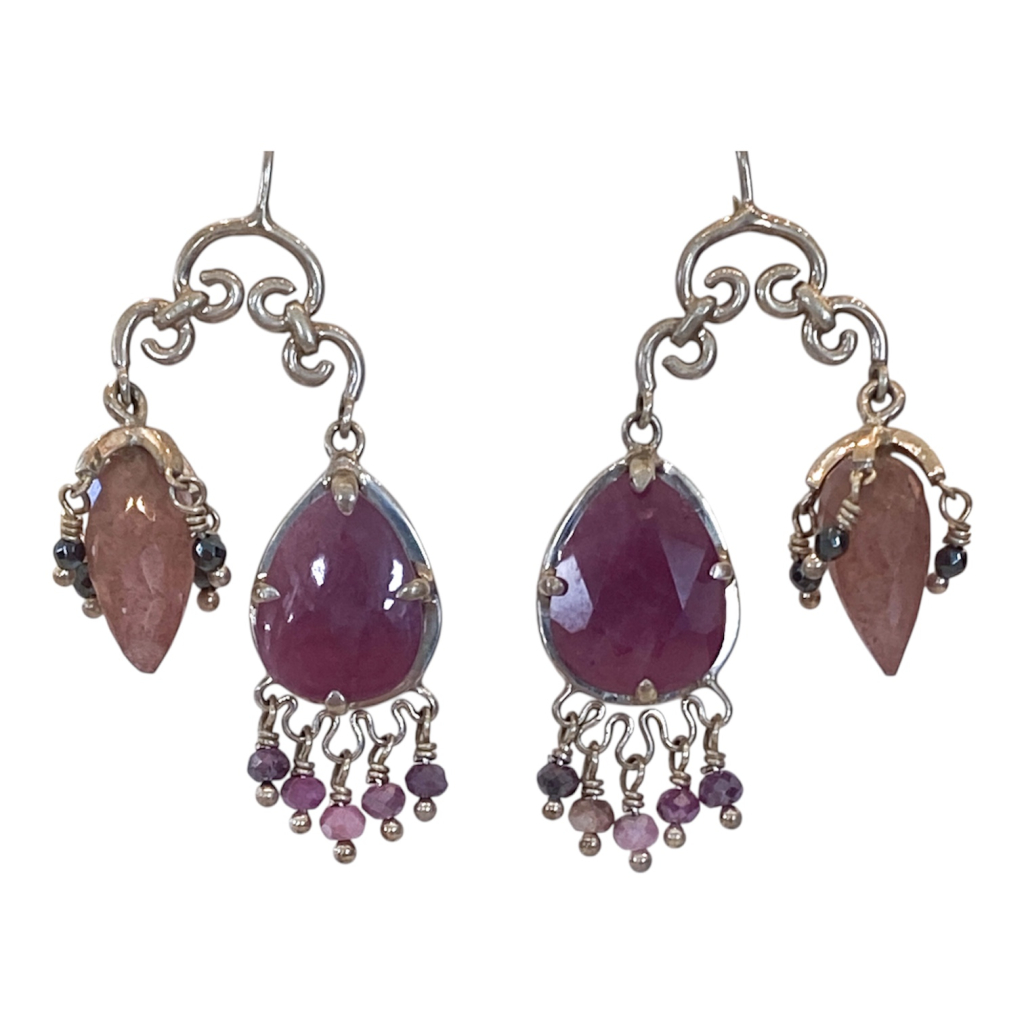
Earrings by Alexis Kostuk
It’s a veritable feast for your eyes in the shop- wander by and check it out!
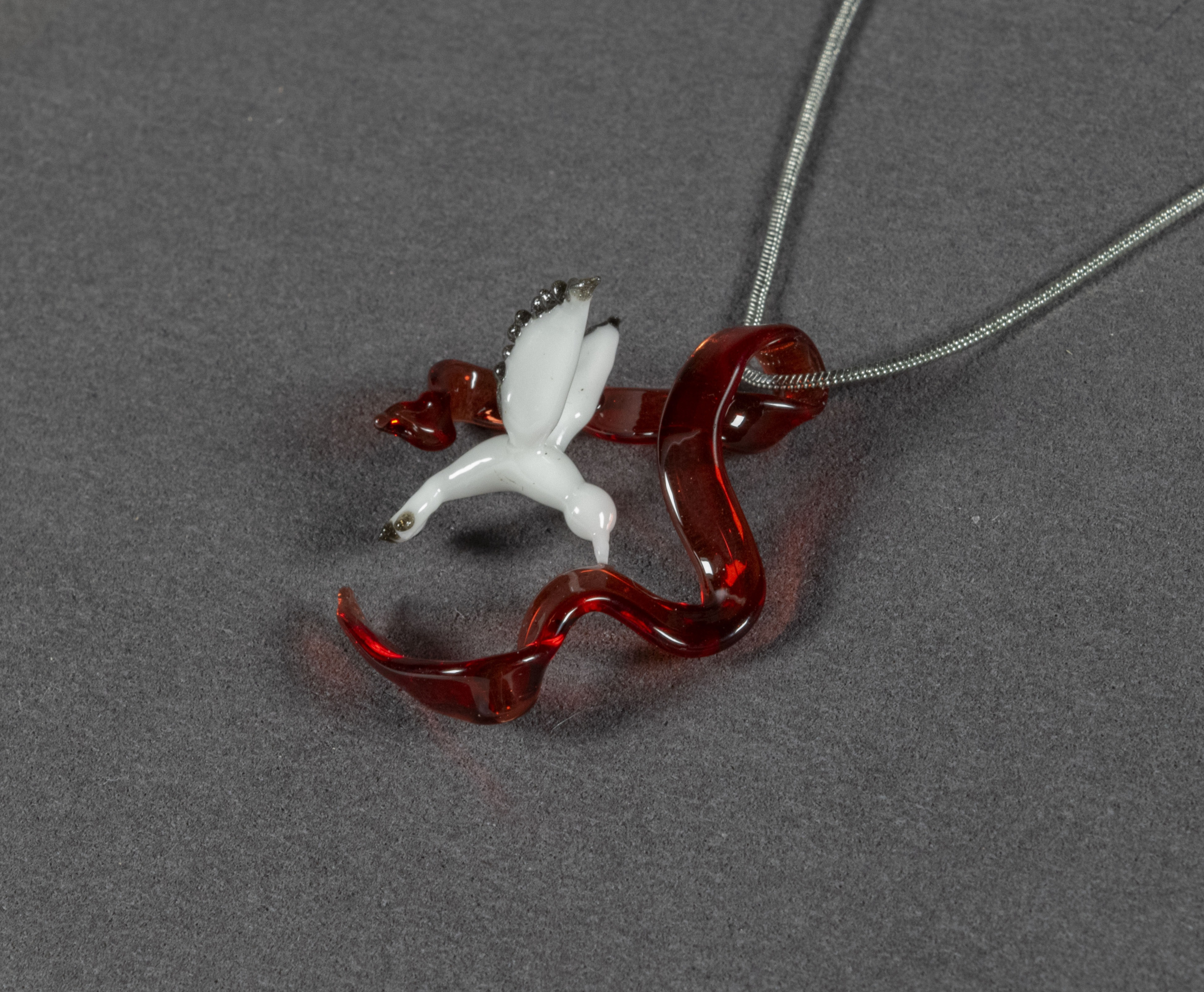
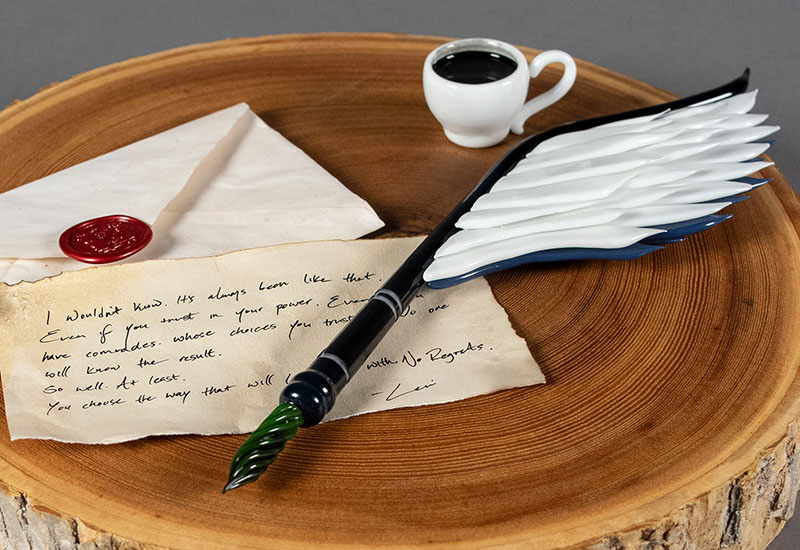
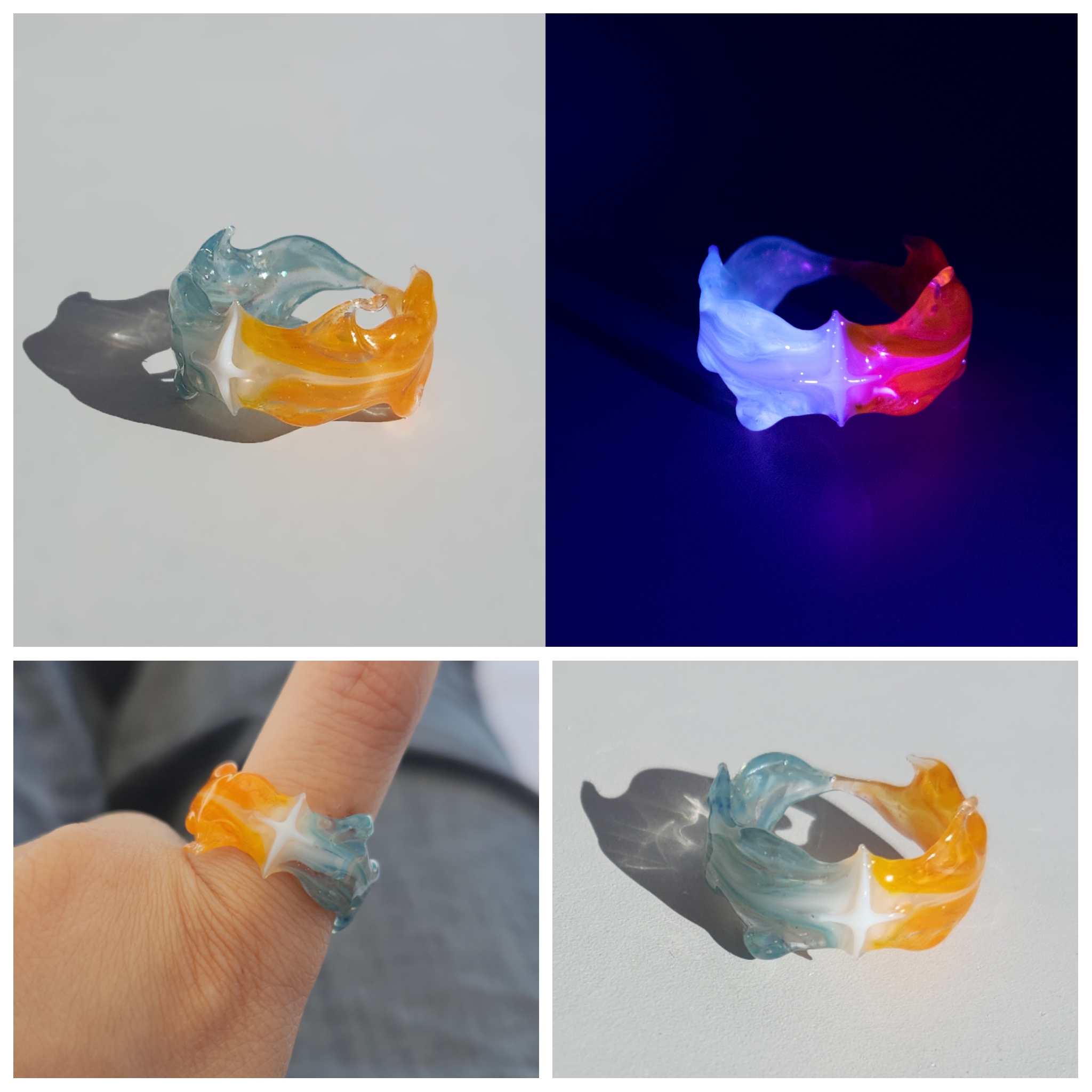
My name is Brianna, and I am a multimedia designer and maker who specializes in flameworking borosilicate glass. During my time at Sheridan, where I received my Bachelor’s of Craft and Design, I realized I particularly enjoyed making glass jewellery. I loved the intricacy involved in working small-scale. Now, I am enrolled in the Jewellery Methods program at George Brown Polytechnic with the aspiration of combining my glasswork with precious metal! As a detail-oriented person who loves creating, I always strive to create imaginative pieces that push the boundaries of the material I am working with as well as my own skills. I am super grateful to have the opportunity to continue my journey at Jewel Envy, and am excited to keep making!
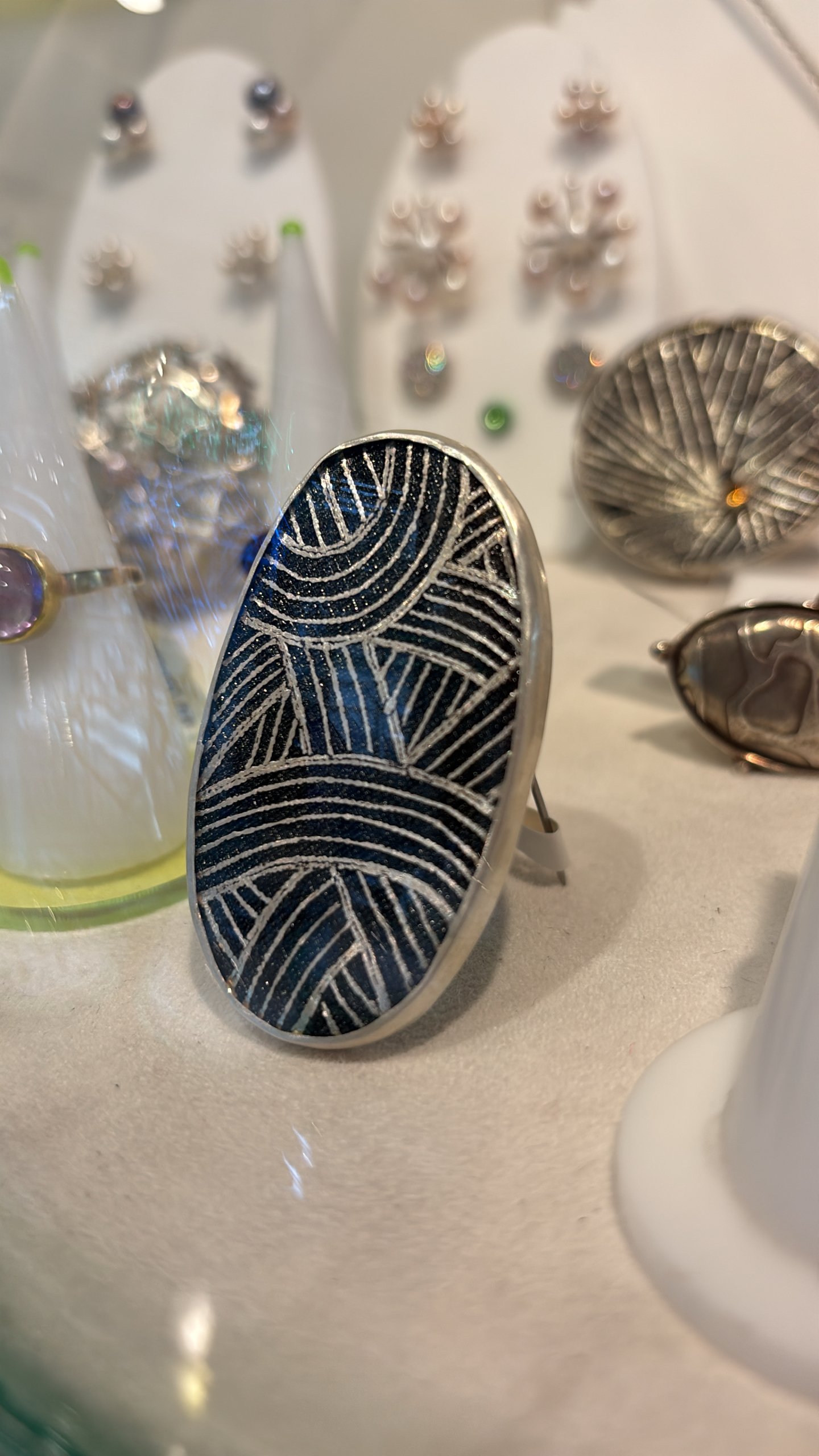
Ipsa brooch by Hyewon Jang
The oldest method of inlay developed during the Goryeo era (918-1392). This time, thin grooves were engraved into metal surface using a chisel. Then the artisan also known as ipsajong inserts silver or gold thread into the groove.
Geometric patterns are a popular motif, as are floral and animal motifs such as apricots, orchids, chrysanthemums, bamboo, cranes, deers, bats, tigers and pines.
To do ipsa, it requires so much patient and dexterity.
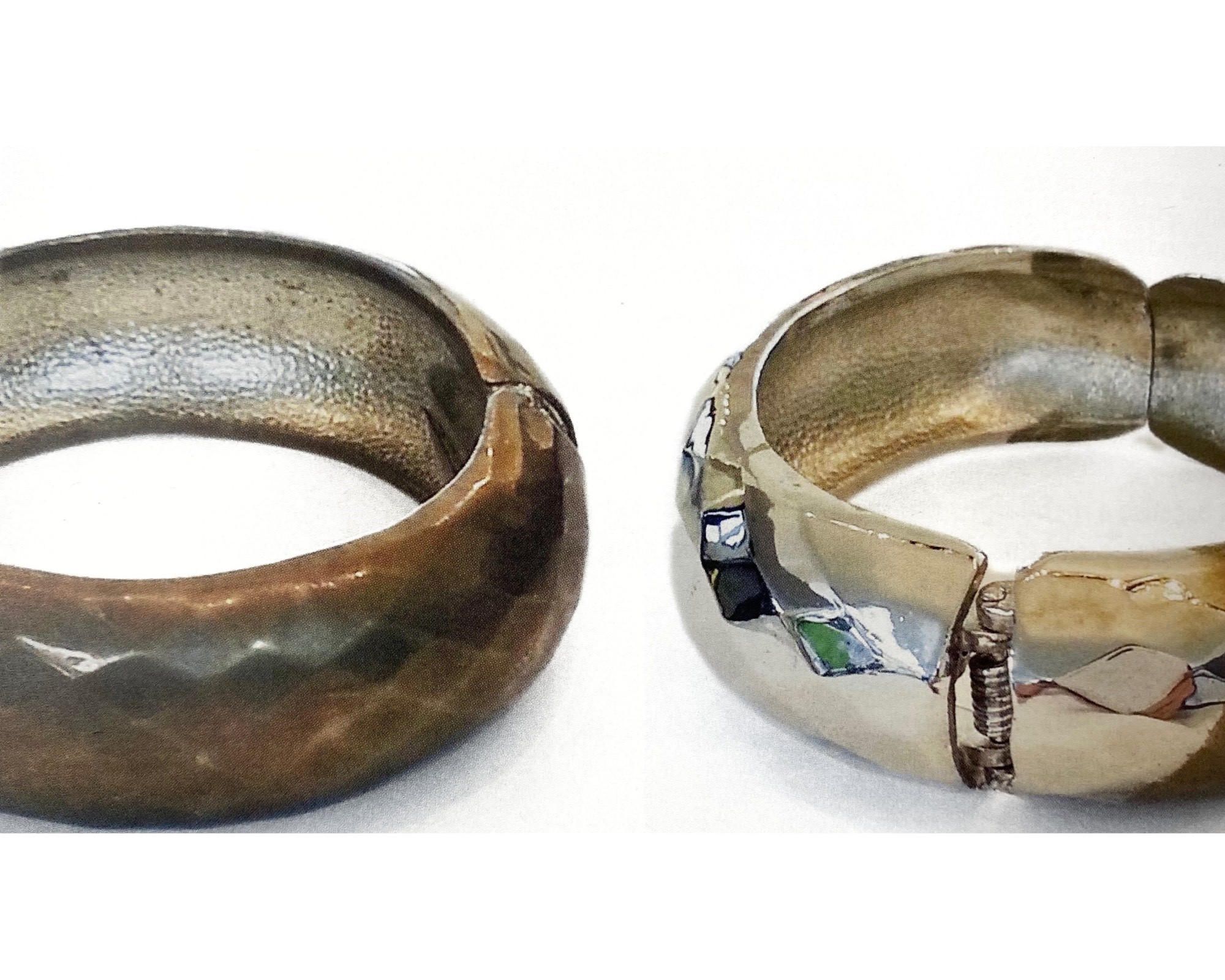
Following up on one of our April Posts on Cleaning Jewellery.
https://www.jewelenvy.ca/cleaning-your-jewellery/: …Cleaning your Jewellery, continuedAnother product that is often used to remove tarnish is a chemical dip. This is the harshest home removal method and proper care and consideration should be taken before using it. Dips are strong chemicals that can take off a fine layer of the metal (be aware they can remove plating over time and corrode some gemstones) but can also deposit a thin layer of chemicals that are difficult to remove.
If this thin film is not removed in the cleaning process the jewellery will tarnish faster than before, creating a cycle that will necessitate more frequent cleaning of your pieces.
To remove this layer of cleaner, pieces must be rinsed for a long period of time under clean water until the film is gone.
Chemical dips are corrosive, and gloves should always be worn when using them. As they are a strong cleaner for jewellery, they can damage some stones.
….
’20 Tips on maintaining our Jewellery’, Gillian E. Batcher, 2013
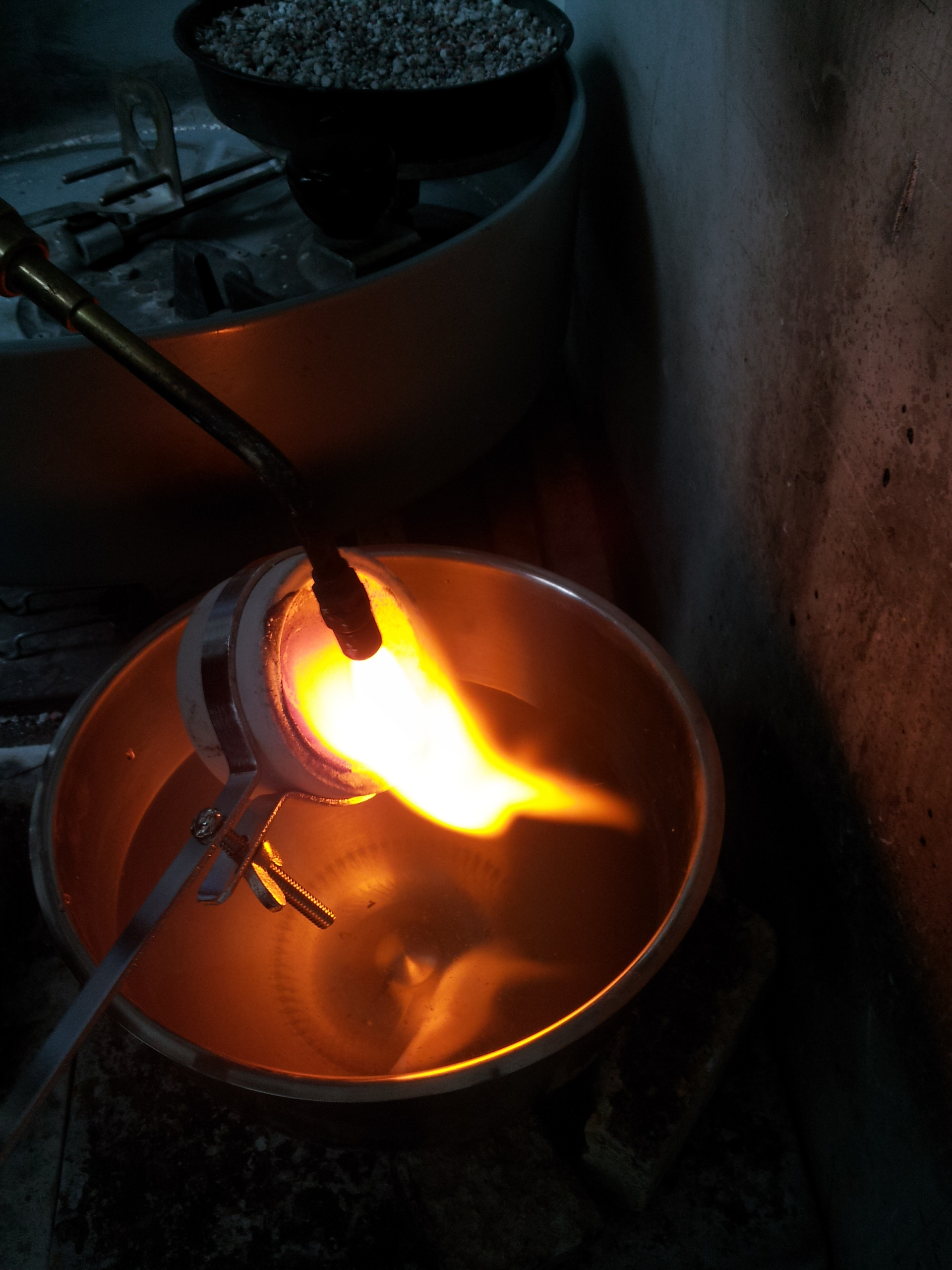
Hi everyone! My name is Ruby, and I’m currently interning at Jewel Envy this summer. I’m enrolled in the Jewelry Program at George Brown College, where I’m learning different casting and goldsmithing techniques and beginning my journey as a jewelry maker and future business owner.
So far, Gillian has taught me so much about the industry here at jewel envy, and I’ve been learning a lot throughout this internship. I’m excited to continue growing here and look forward to sharing updates on projects at Jewel Envy, along with my own work. Talk to you soon!
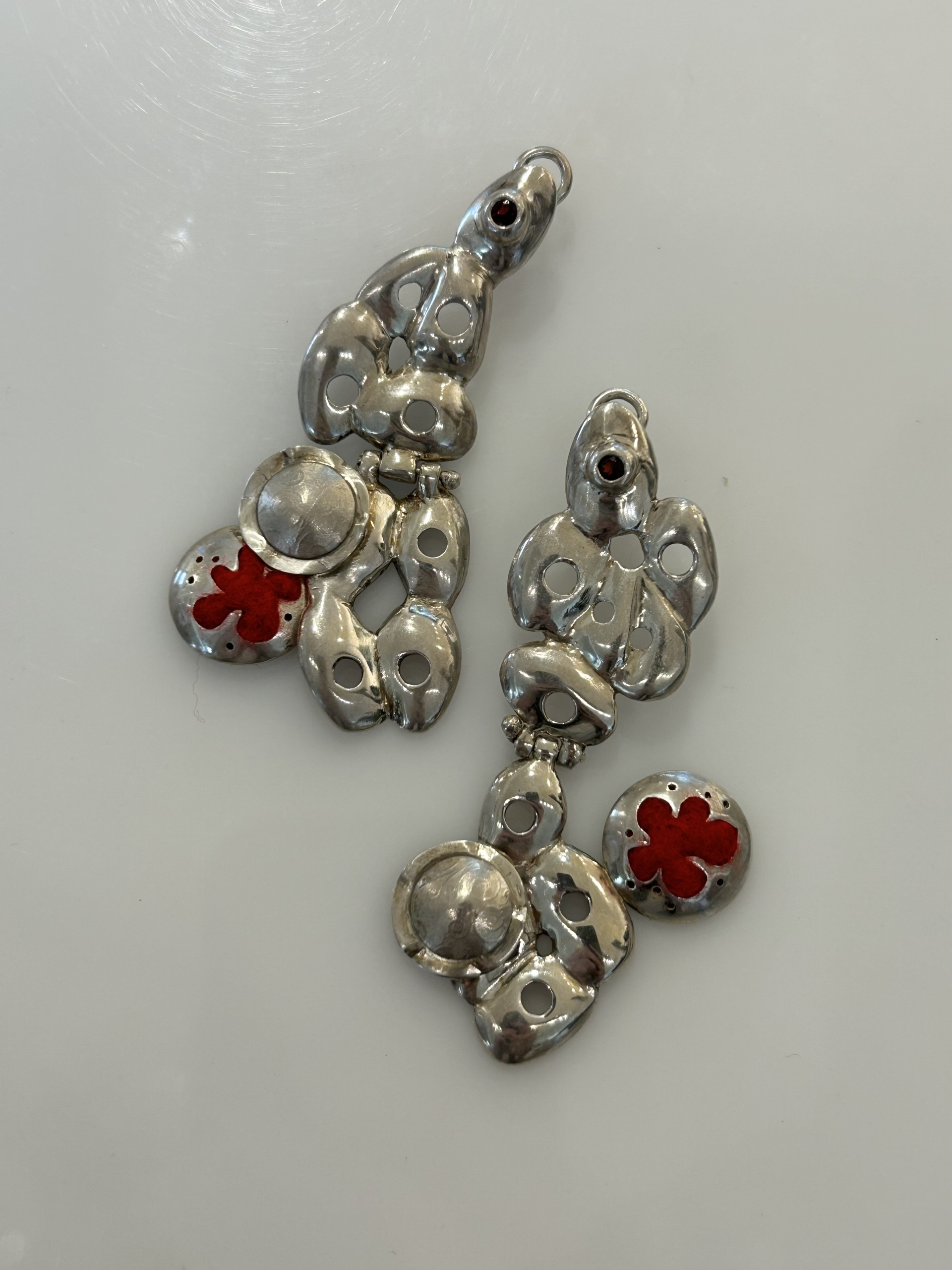
Wax carving is among the more customizable aspects of goldsmithing. Lost wax casting is useful in producing solid three-dimensional volumes and sculptural work. Anything carved in wax can be turned into metal! Here are just a few examples by our goldsmiths here in studio of what can be accomplished with wax carving.
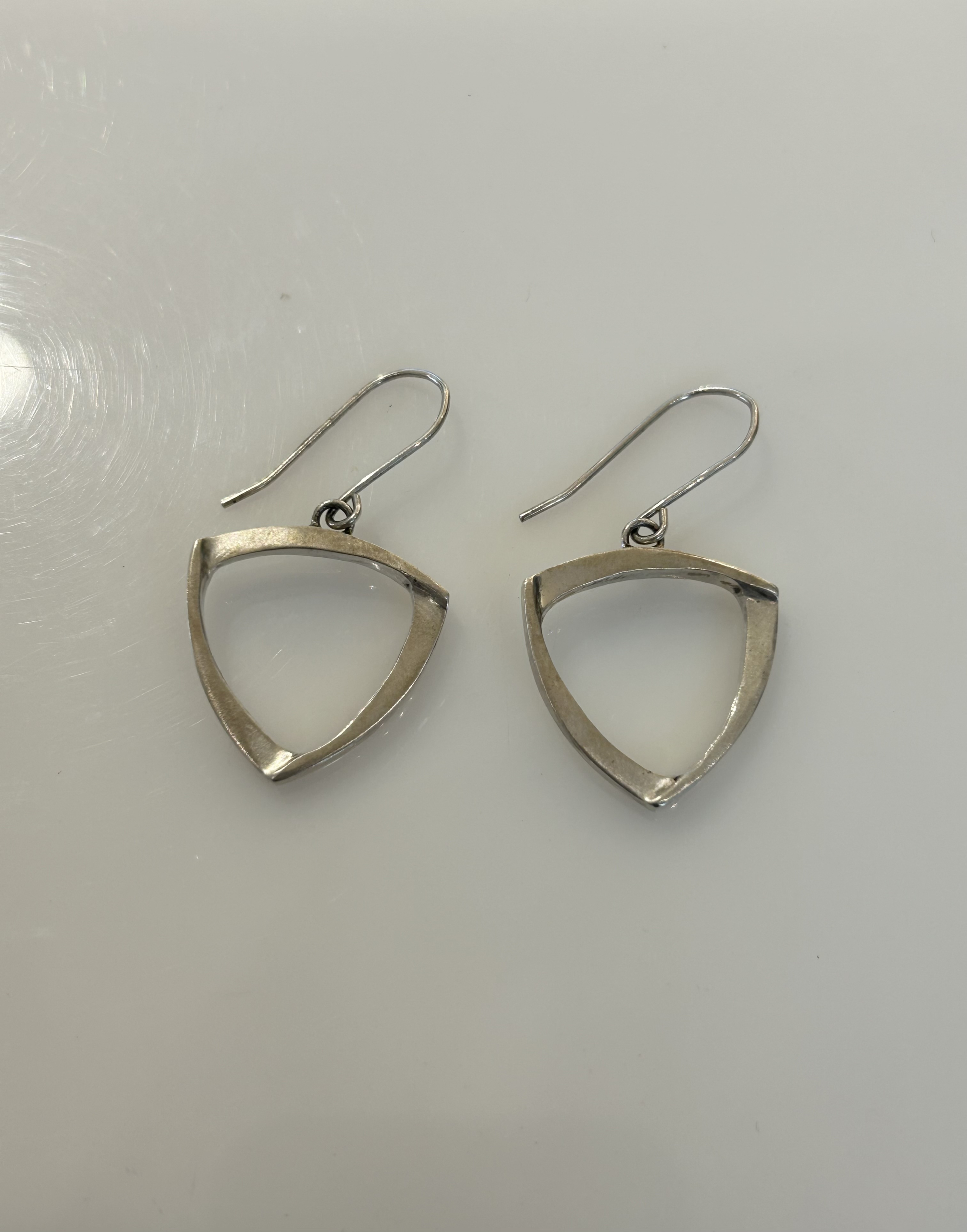
Earrings by Handmade Revolution (Aurora Simmons); producing a volume and carving adjacent to each corner to create a dynamic pair of triangles.
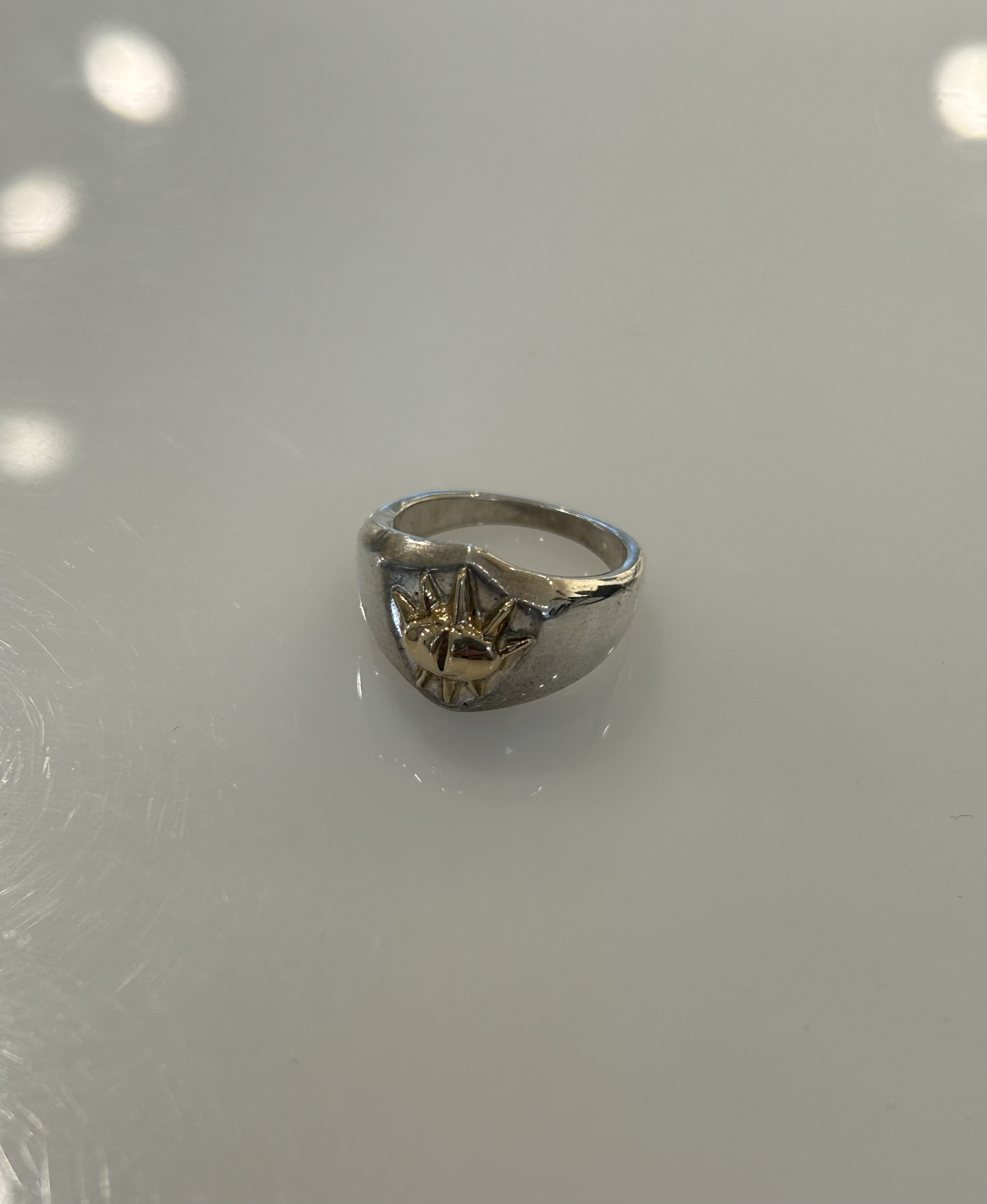
Ring by Glaciale Goldsmith (Alexis Kostuk) using both gold and silver to cast.
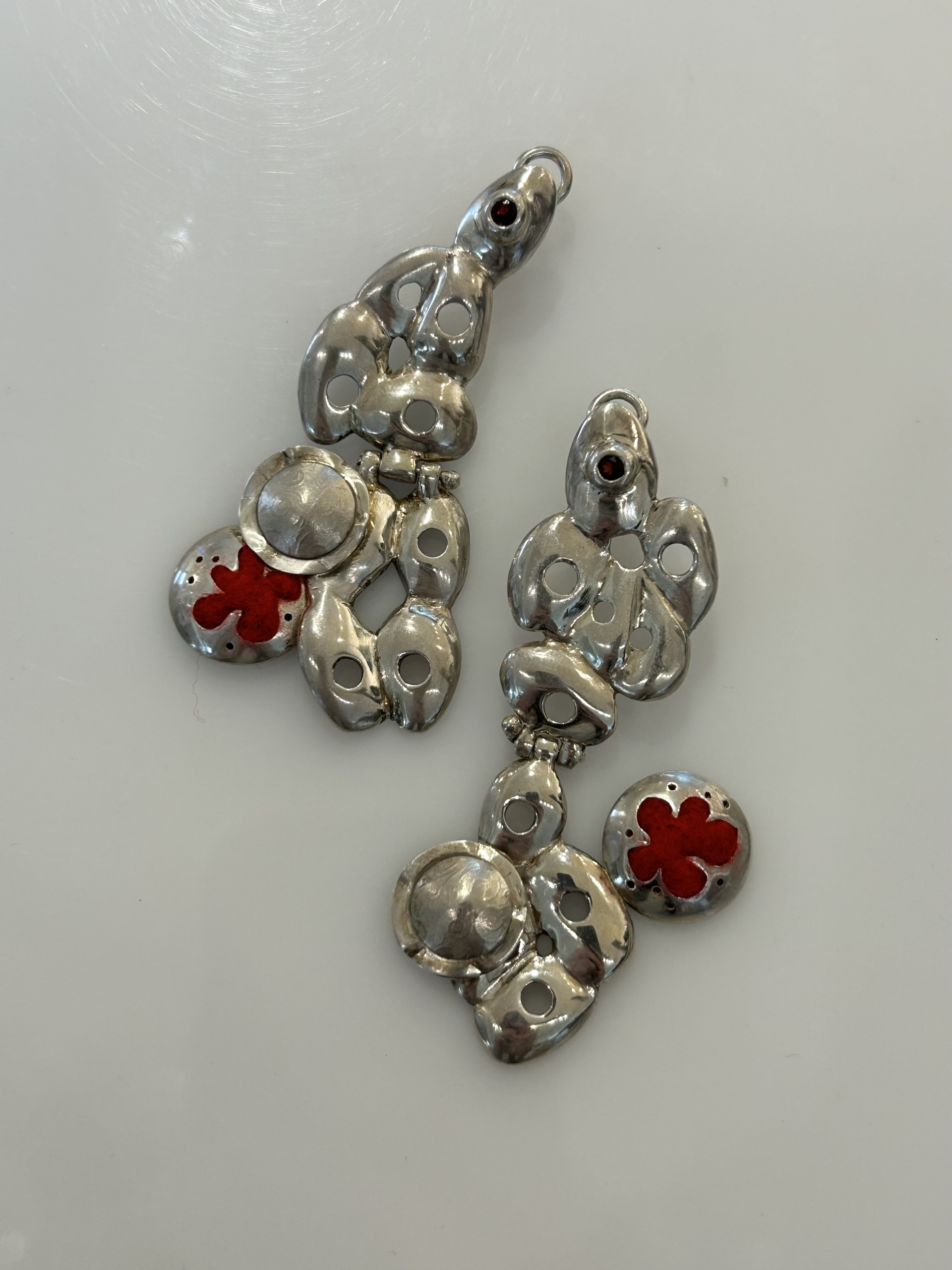
Earrings by House of Cassady (Robin Cassady-Cain) combining wax carved blood cell motifs with textiles and fabricated domes.
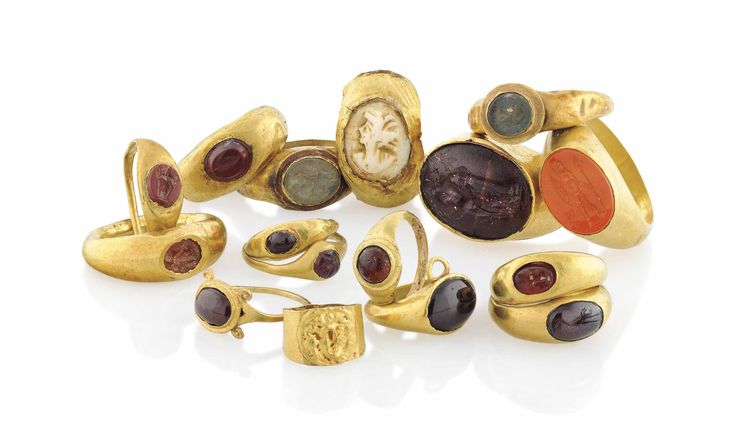
Stacking rings date back centuries with evidence of them being seen in Ancient Egypt, Rome and Greece. Although the cultural significance varies between the civilizations, the adornment of these rings has lived on. In Ancient Egypt stacked rings were worn to represent someone’s social standing and connection with eternity, often made of precious metals with intricate engravings. Romans wore stacking rings as a symbol of authority with the number of rings representing an achievement or accomplishment; more rings, more power. The Greeks wore stackable rings that interlocked and could be worn separately or together in different configurations to represent aspects of a relationship, i.e. friendship, love, marriage.
Ancient Hellenistic rings – Roman
Stackable rings have become a staple in modern jewellery as they allow the wearer the ability to personalize their look by donning these rings individually or together in a variety of ways. The wearer becomes the curator of their jewellery design with the ability to not only mix metals and styles but gemstones as well. There are a variety of ring options to check out next time you visit us, looking forward to seeing what combination you come up with.

At Jewel Envy, many of our goldsmiths have created beautiful pieces to adorn the wrist.
These examples posted today are all from our retail space, ready to bring its beauty to a new beholder.
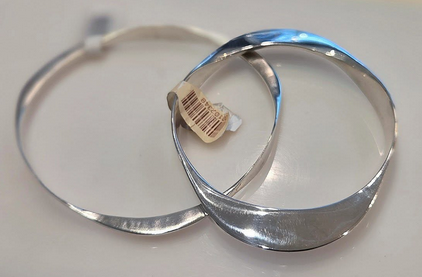
Some have been inspired by process, some by history, some by fashion.

Most of these beauties can be adjusted, many can be resized, and some remade.

These examples are all in silver, but they can be ordered in gold as well.
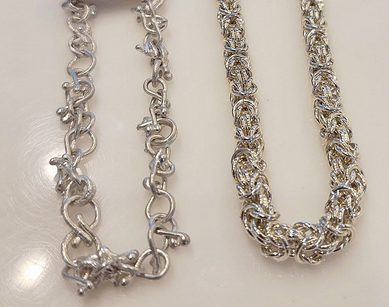
Whether you are looking for a comfortable, everyday piece, a whimsical conversation-starter, or a stunning piece of frosty hardware, our goldsmiths make something that fits the profile.
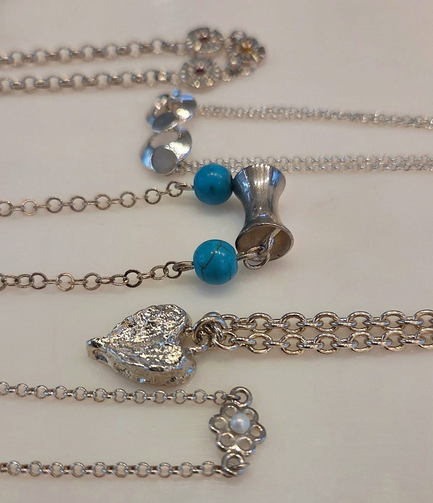
And on a totally unrelated topic, Mother’s Day is next weekend.
Whether you want to send someone a hint, or you want to decorate the wrists that guided nurturing hands, we are ready to assist!
See you soon!