
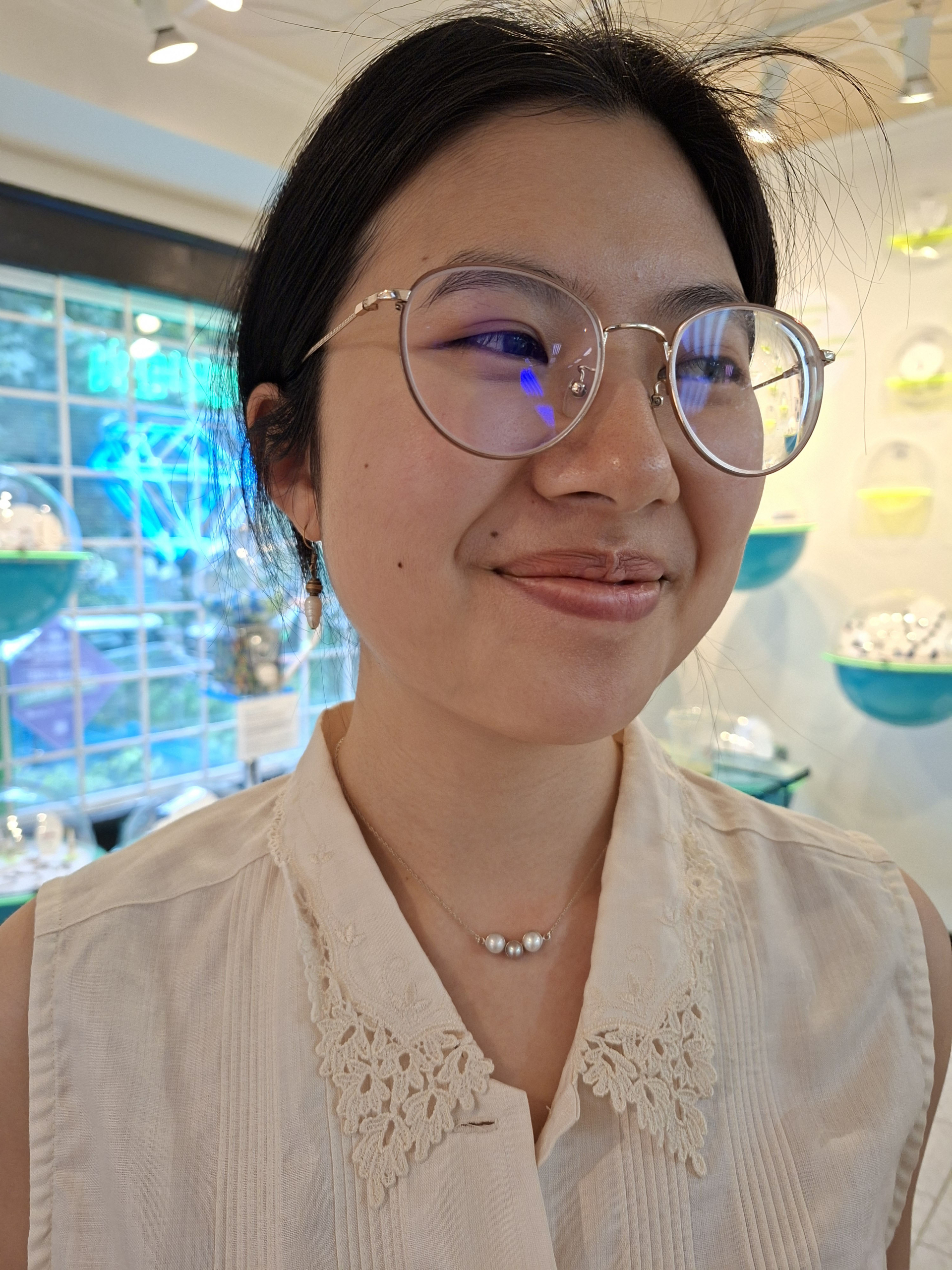
Here is a sneak peak of award-winning Jamie, preparing for her return to high profile exhibitions this summer, including TOAF, at Nathan Phillips Square.
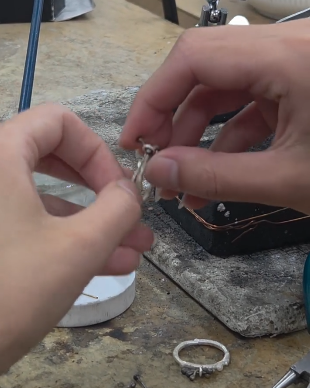
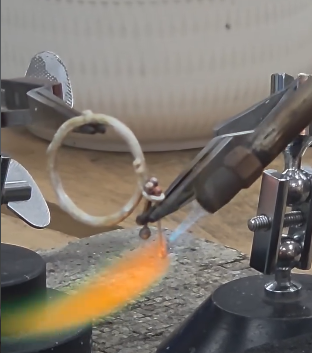
Here is a sneak peak of award-winning Jamie, preparing for her return to high profile exhibitions this summer, including TOAF, at Nathan Phillips Square.
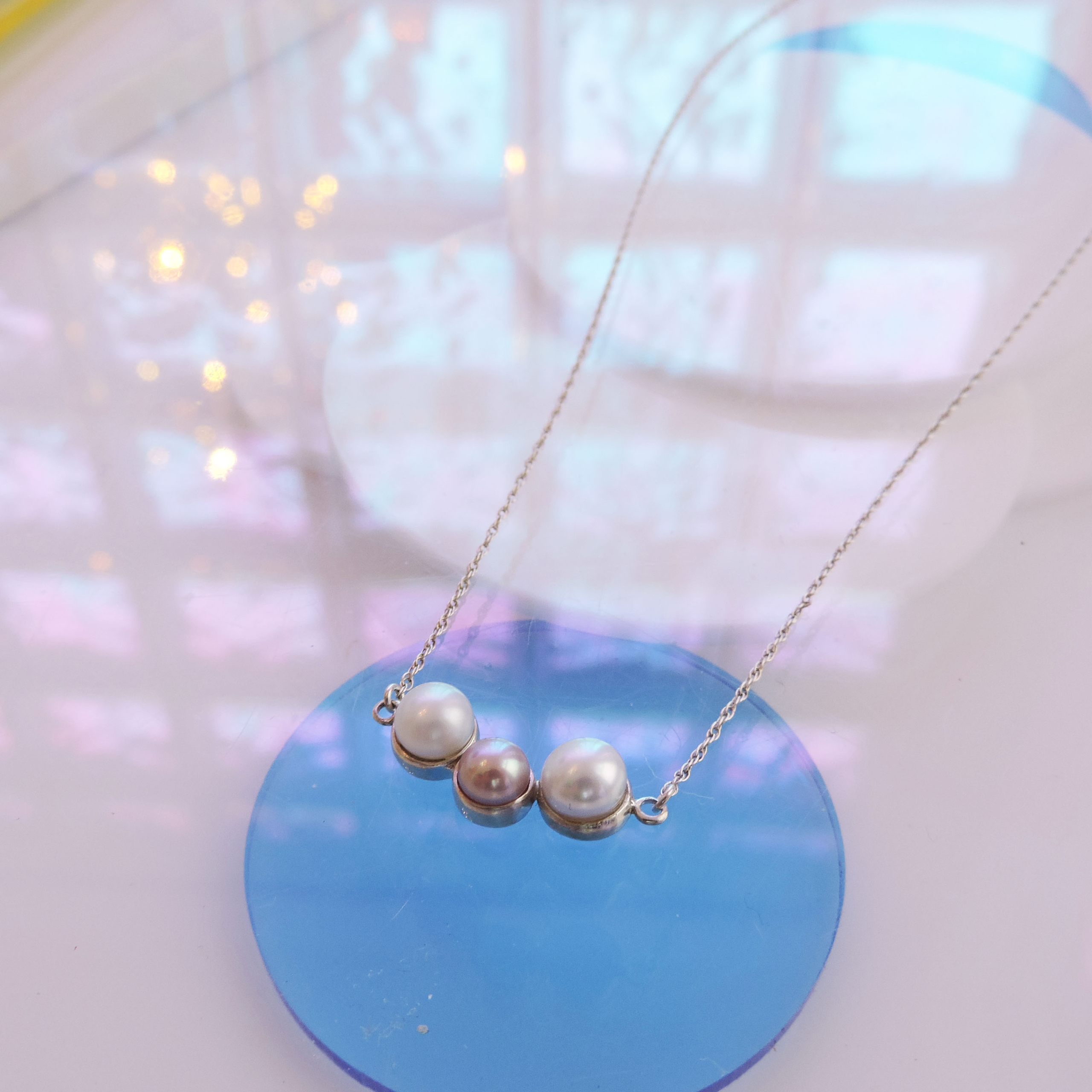
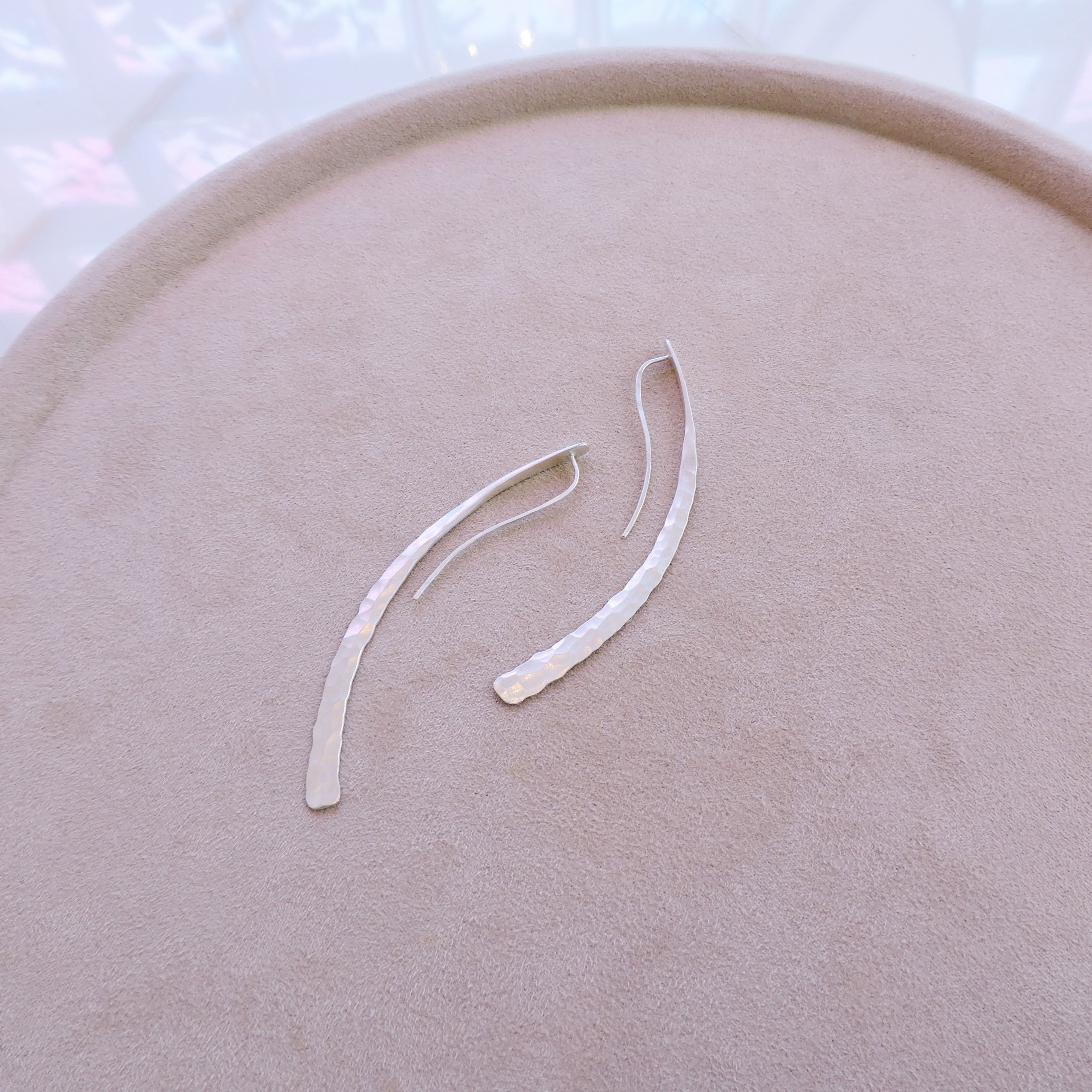
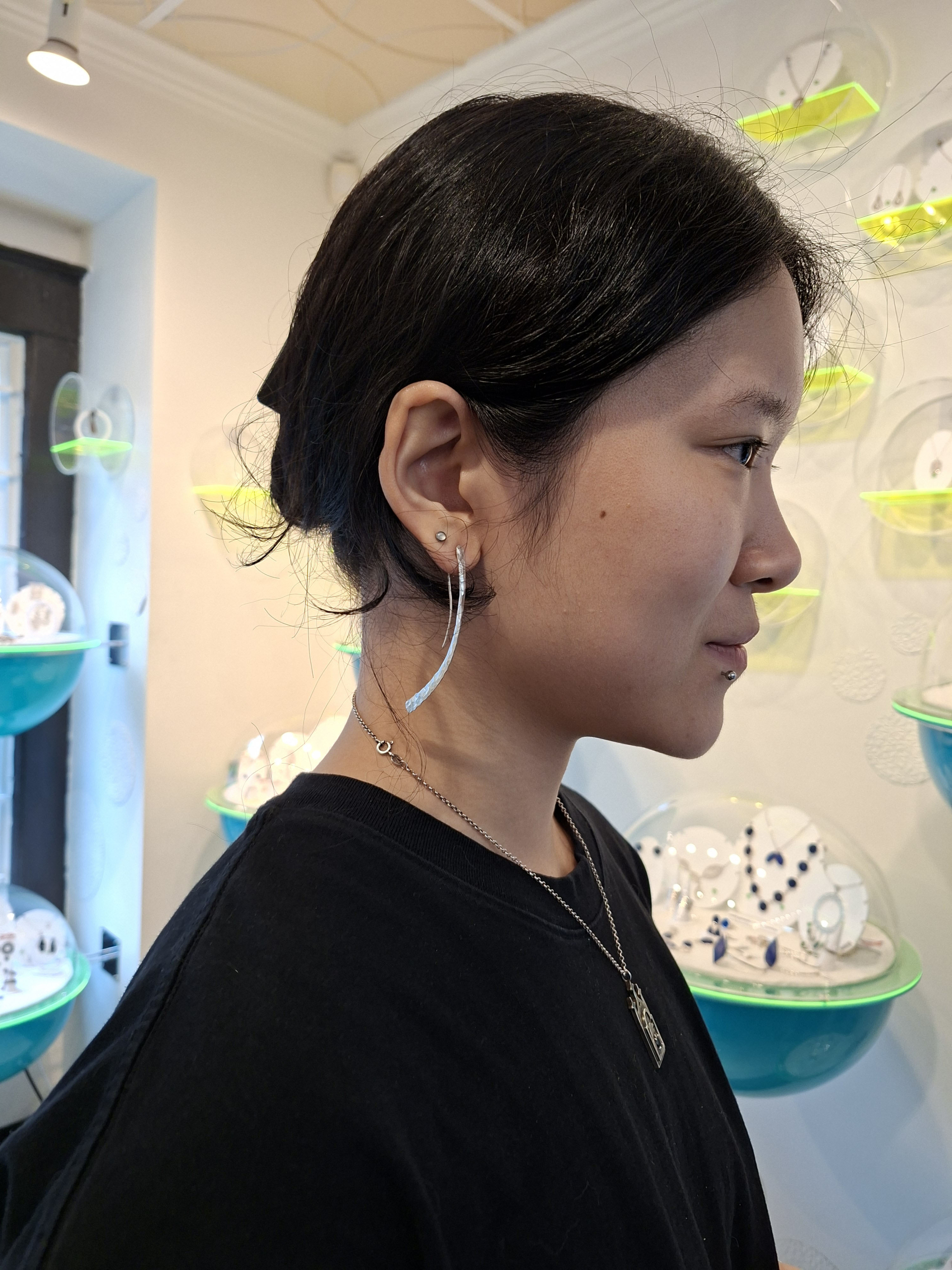
This month when you purchase a class you have the chance to win a piece of jewellery. It’s an exciting day in the studio today as two winners got to select from our jewellery giveaway wall, scroll down to see what they chose.
Should I just use a Jewellery dip solution to clean my Jewellery?
In some of our earlier blog posts, we have covered the basics of jewellery care, including some content on cleaning. There are a variety of methods that can be used to clean your jewellery.
Using a dip may seem like the easiest method. If you choose to use a dip, you must have some knowledge about the jewellery.
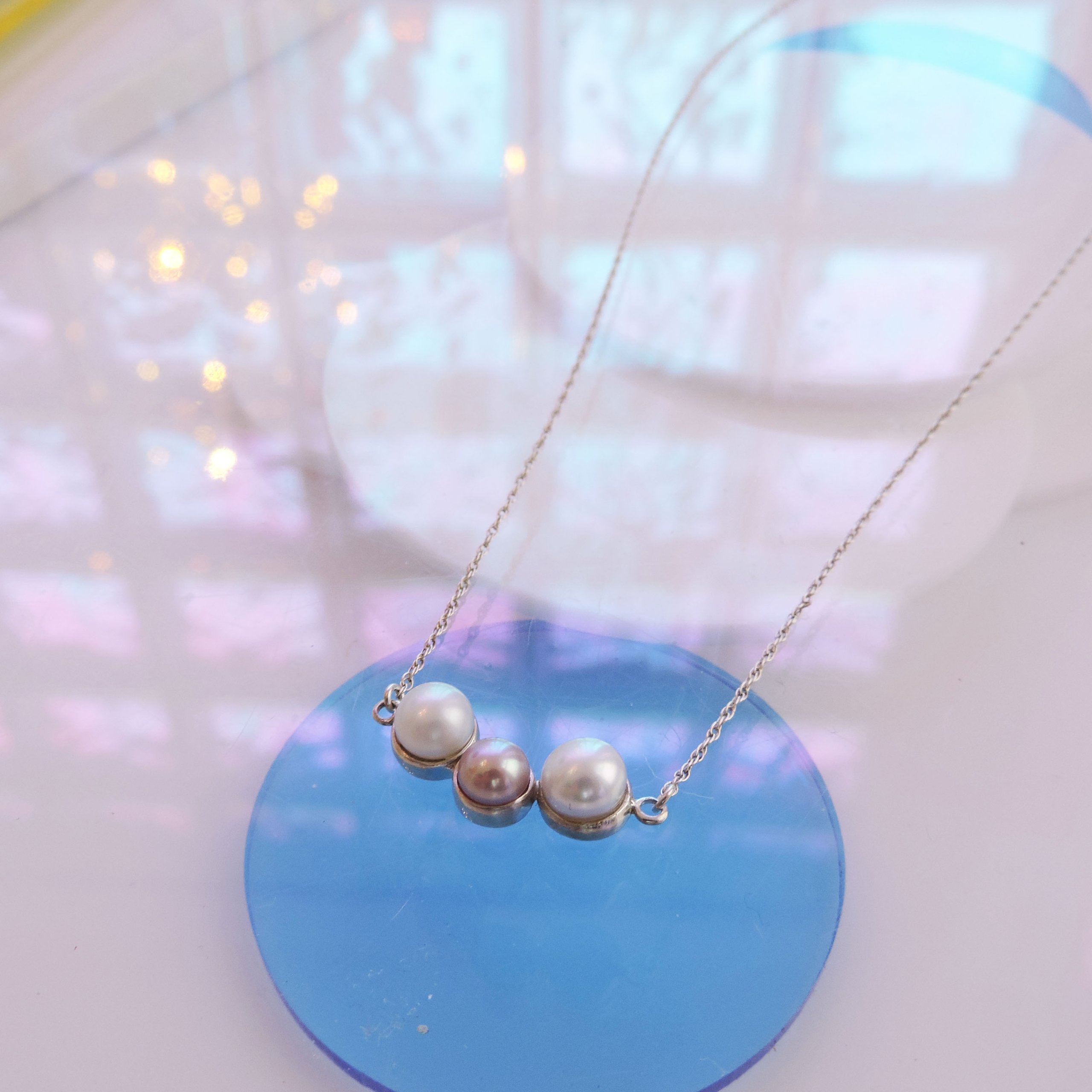
Does it have gemstones? If the answer is yes, they need to be non-porous stones. Porous stones will soak up the chemicals. This can lead to discoloration as well as contributing to a complete disintegration of the stone. Some porous stones include pearls, opals, lapis lazuli, turquoise and coral. But there are many more.
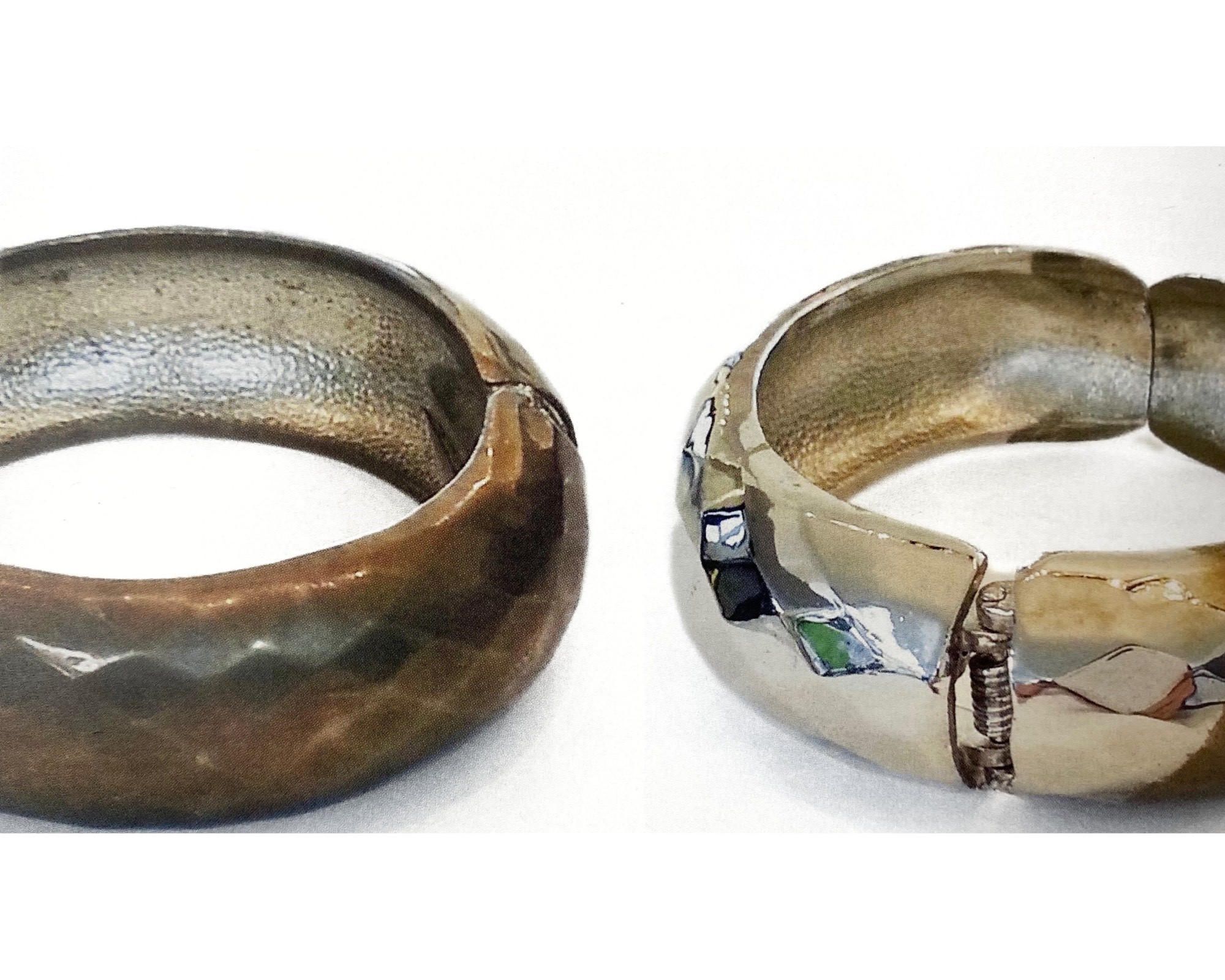
You also need to know if your jewellery is plated. Dips work by removing the top layer of a piece which is the metal that has the tarnish on it.. If your pieces are plated, you will remove plating over time with repeated dip cleaning.
Jewelry exists on a broad spectrum, ranging from mass-produced fashion accessories to highly conceptual works of wearable art. Three commonly used terms within this spectrum are costume jewelry, studio jewelry, and art jewelry. While they can sometimes overlap in appearance, they differ significantly in their purpose, methods of production, and relationship to artistic expression. Understanding these distinctions helps consumers, collectors, and jewelry enthusiasts appreciate the diverse roles jewelry can play in both fashion and contemporary art.
Costume jewelry is primarily designed as a fashion accessory. Often produced in large quantities, it is typically made from less expensive materials such as plated metals, glass, resin, acrylic, or synthetic stones. Its purpose is to complement current fashion trends and provide an affordable alternative to fine jewelry.
Studio jewelry, by contrast, is created by independent makers who design and fabricate their work in personal studios rather than factories. Studio jewelers are directly involved in every stage of production, resulting in pieces that emphasize craftsmanship, originality, and the artist’s individual vision. Materials may range from precious metals and gemstones to found objects and alternative materials.
Art jewelry takes the concept of jewelry a step further by prioritizing artistic and conceptual expression. While many art jewelers work in studio settings, their pieces are often created to communicate ideas, tell stories, or challenge traditional notions of adornment and value. Art jewelry may use unconventional materials, experimental techniques, or symbolic forms, positioning the work closer to sculpture or fine art than fashion accessory.
Although the boundaries between studio jewelry and art jewelry are fluid, the distinction lies in emphasis: studio jewelry highlights the maker and the handcrafted process, while art jewelry highlights the artistic message. Together, these categories illustrate how jewelry can function as fashion, craft, and art simultaneously.