
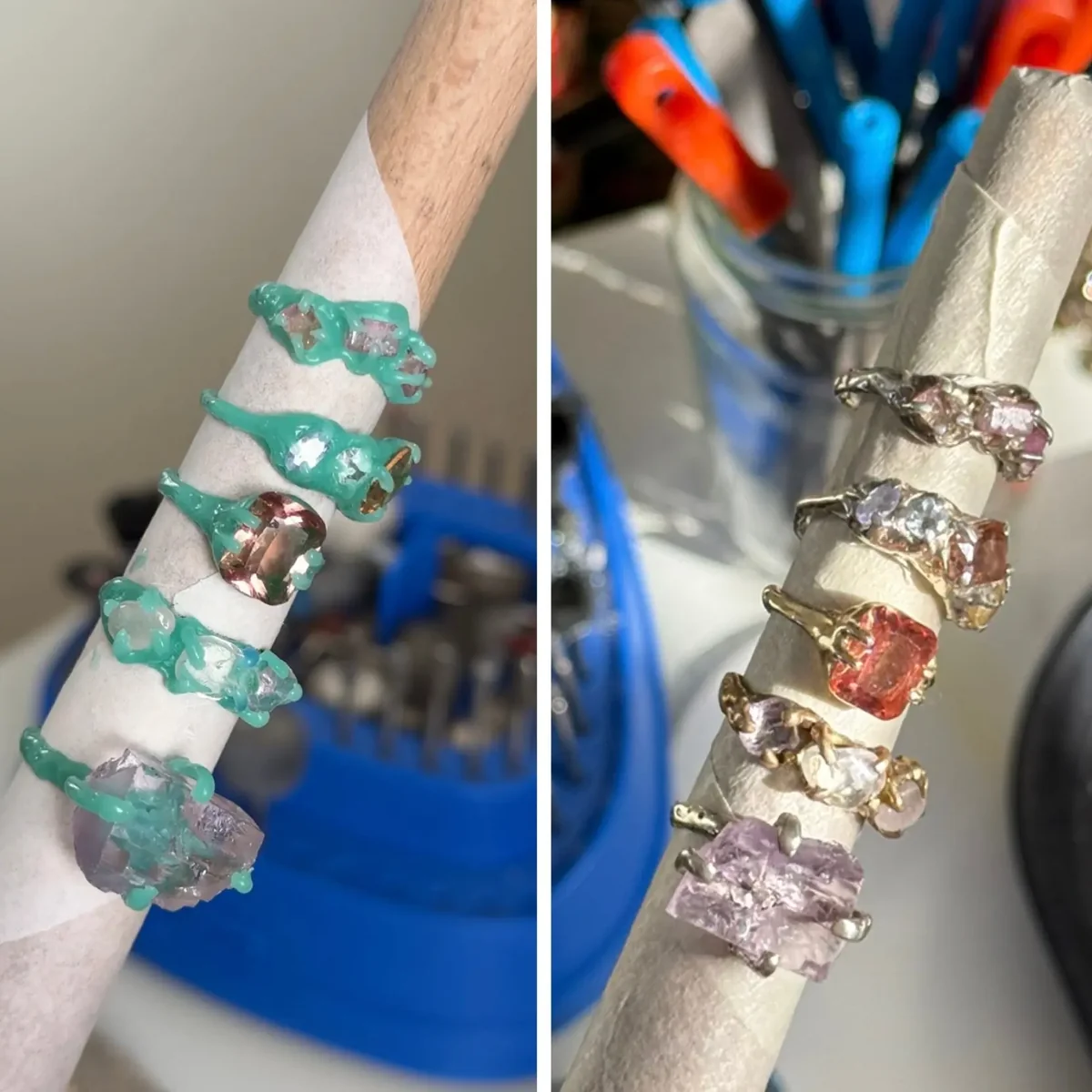
In honour of our 8 week casting class beginning on October 16 I thought I’d demystify the process of lost wax casting. Dating back over 6000 years, lost wax casting has remained a common method for fabricating beautiful pieces of jewellery to this day.
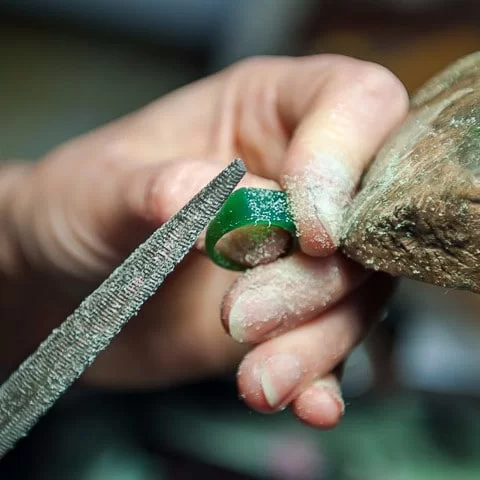
To start, a piece of jewellery has to be carved out of wax. There are several different kinds of wax with varying levels of flexibility or hardness. When selecting which wax to use, it is important to be mindful of the piece and the level of detail you’re hoping to accomplish. Don’t be afraid to test them out and find one that you’re most comfortable with. Carving can be accomplished with a variety of tools including, files, old dental tools, wax melting pens, etc.
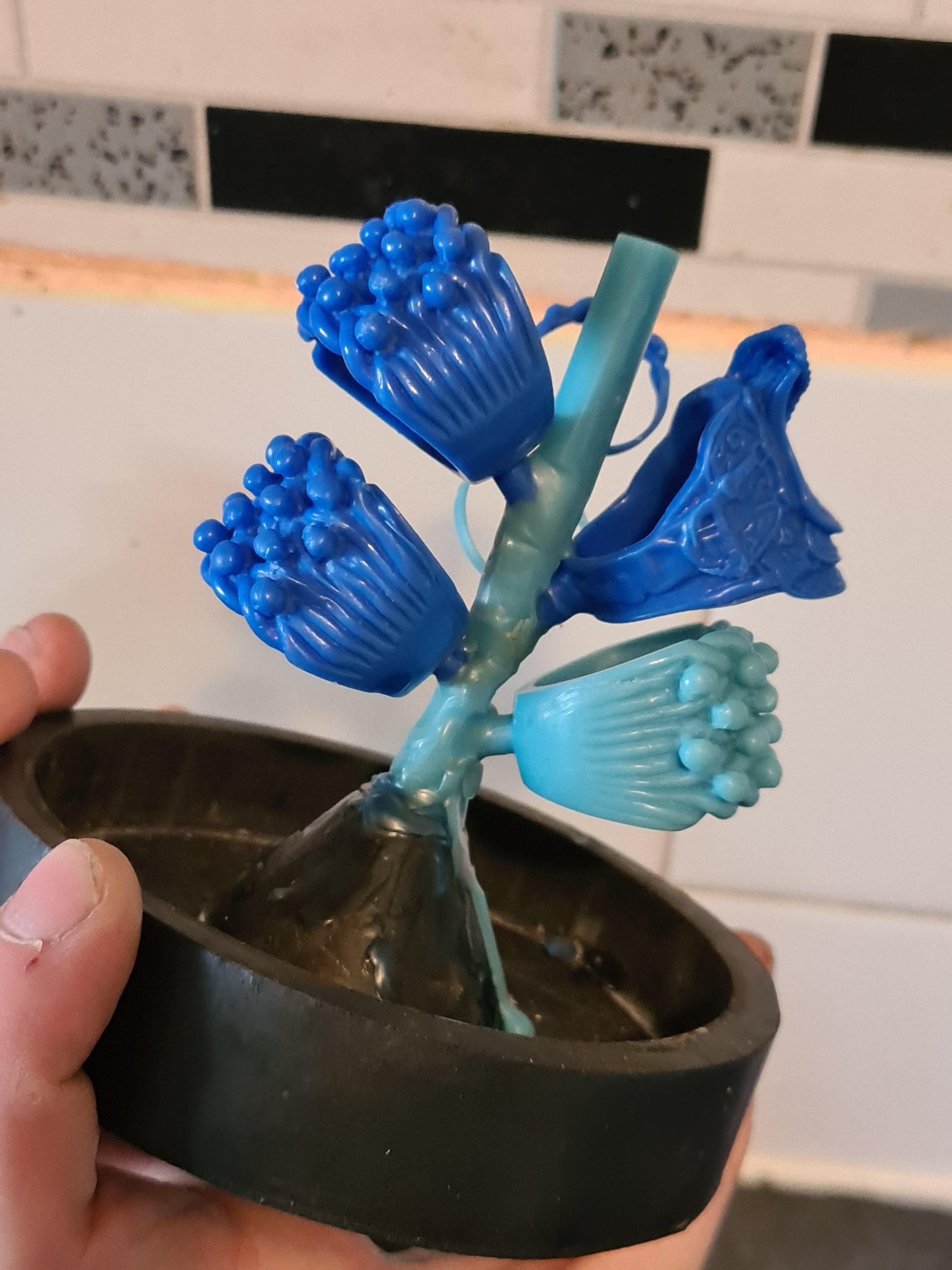
After carving, a sprue or wax channel is attached to the finished carving which will allow the molten metal to flow through the entirety of the piece when casting (we’re getting there). The sprue is then attached to a wax button which will sit on the bottom of a steel flask.
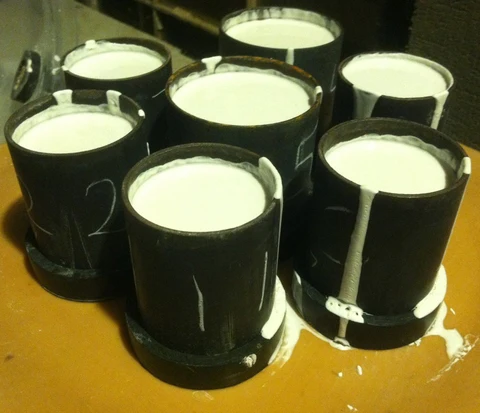
The wax carving portion is now complete and something called investing begins. Investing is the process of encasing the wax carving in a plaster or ceramic slurry. This is done inside a steel flask and if done correctly, with all of the air bubbles vacuumed out, it will create a perfect mold of the carved wax piece.
Once the investment has had some time to sit and settle, the next step is to move on to the burnout process. The flask is moved to a kiln to to be heated for several hours while the carved wax melts away leaving behind a hollow cavity for molten metal to be poured into.
With space for the molten metal to flow, a metal of your choosing is heated in a crucible and poured into the flask (through the button recess) with the help of a vacuum or centrifuge.
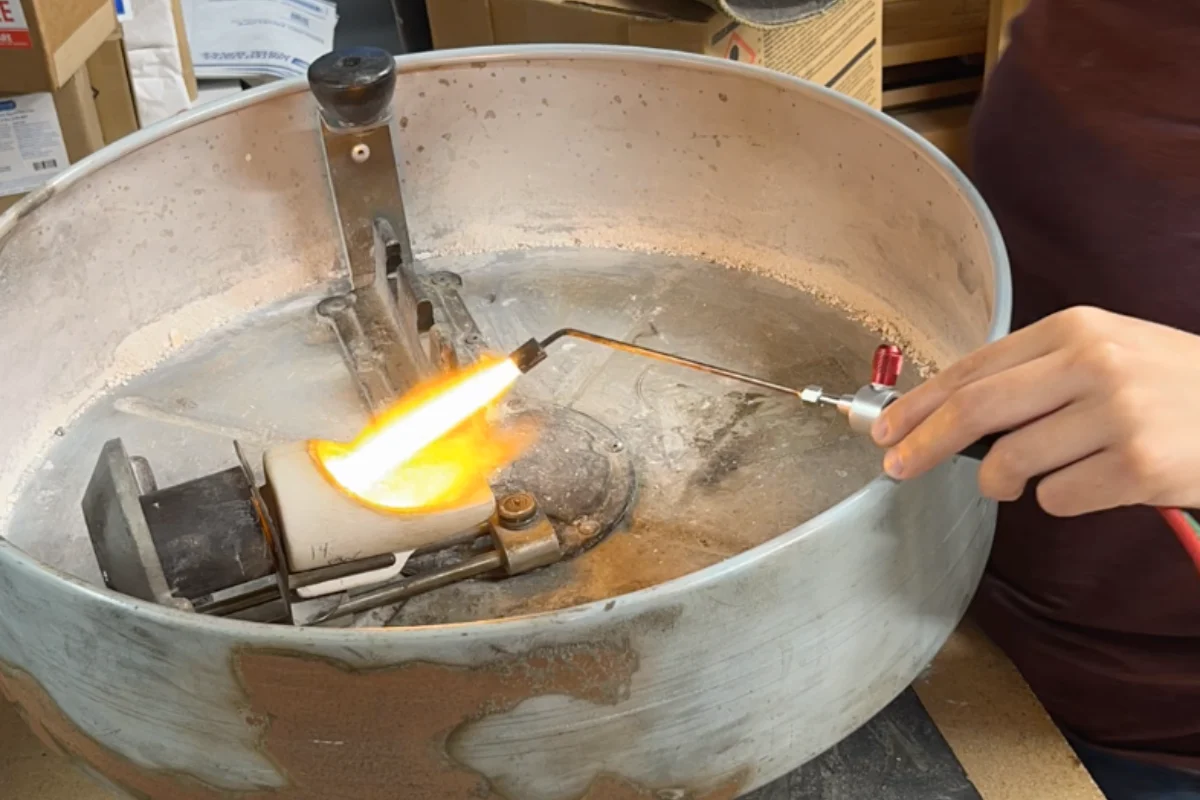
Casting is complete and the piece can now be devested or finished. The flask is cooled in water and the plaster is broken away to reveal your wax carving made of metal! The sprues are removed and the final piece is finished into whatever it had been imagined to be.

It takes some time but the results are worth it. If this is something you think you’d be interested in trying yourself, be sure to check out our class schedule to see when the next casting class is coming up (Oct 16). Can’t make that one? There’s always another around the corner. Happy casting!